When it comes to selling a home, first impressions matter—and your landscaping is the first thing potential buyers see. A well-kept yard can add instant curb appeal, while poor choices can make people turn away before they ever step inside.
From overgrown bushes to quirky design decisions, certain landscaping mistakes don’t just look bad—they can hurt your home’s value. Here are 12 common outdoor blunders that might be scaring off buyers without you even realizing it.
Overgrown Lawns and Gardens
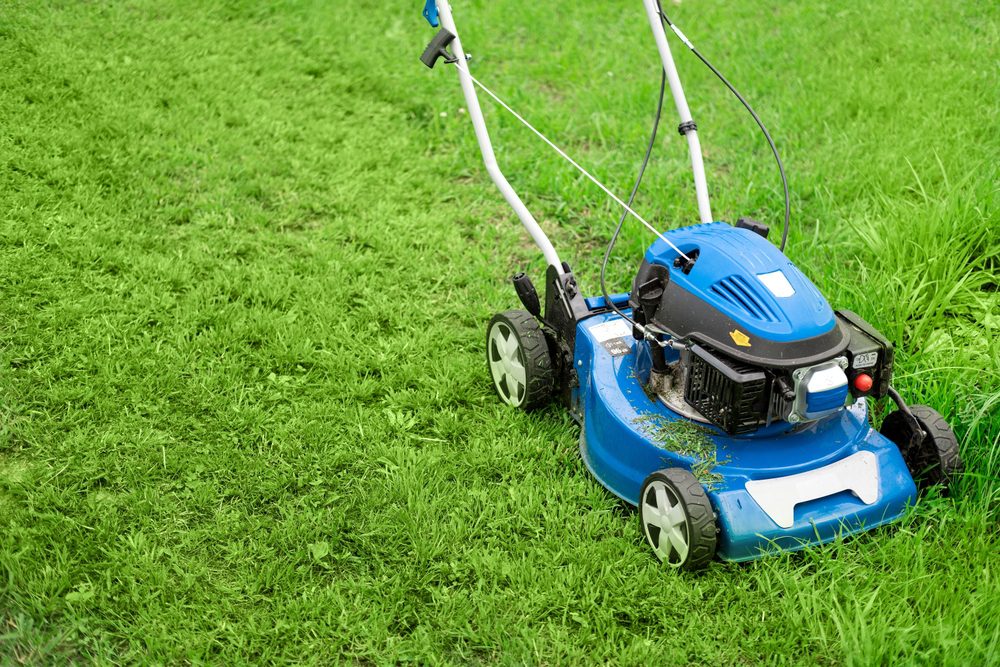
The sight of an overgrown lawn or garden can quickly turn off potential buyers. These areas give the impression of neglect and could lead to concerns about other aspects of the property that may not be well-maintained. Regular mowing, pruning, and weeding are all part of maintaining a neat and tidy outdoor space. A well-groomed garden suggests that the homeowner takes good care of the property.
To avoid this issue, invest in a good lawn mower and gardening tools, or consider hiring a professional landscaping service. Regular maintenance can keep your lawn and garden looking their best and increase the curb appeal of your property.
Poorly Maintained Hardscapes

Hardscapes, such as patios, driveways, and walkways, contribute greatly to the overall appearance and functionality of your outdoor space. Cracked pavements, discolored stones, and uneven surfaces can affect the aesthetics of your property and pose potential safety hazards. Thus, it’s essential to keep these areas in good condition.
Regular cleaning, repairing, and sealing can prolong the life of your hardscapes. If your driveway or patio is beyond repair, consider replacing it with new materials that complement your home’s exterior.
Lack of Variety in Plant Selection
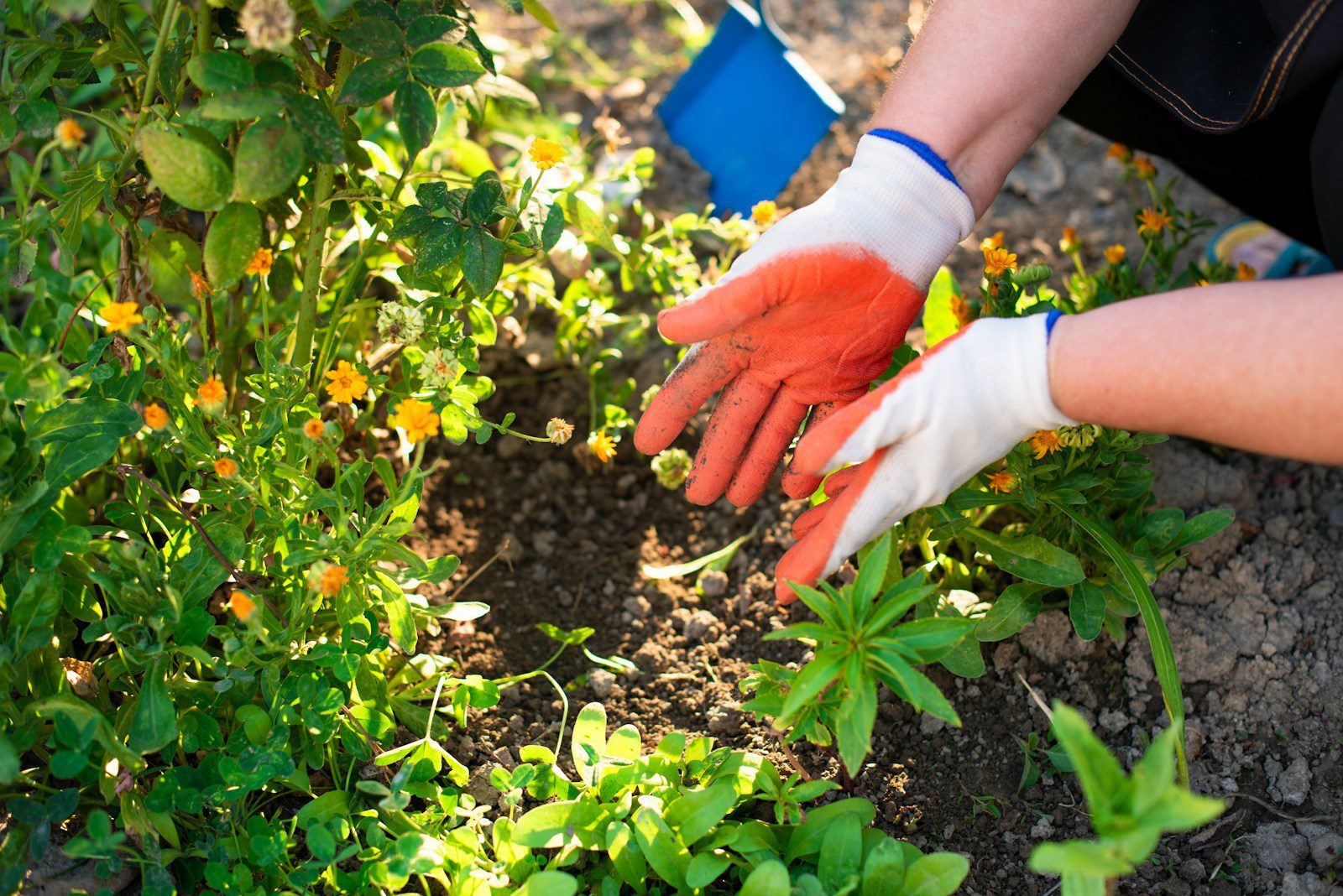
While consistency is important in landscape design, a lack of variety in plant selection can make your garden look dull and uninteresting. Incorporating a mix of plants with different colors, textures, and heights can create a more visually appealing landscape. However, remember to select plants that are suitable for your local climate and soil conditions to ensure their survival and growth.
For an eye-catching landscape, consider using a combination of flowering plants, ornamental grasses, and shrubs. You can also add trees for height and shade. If you’re unsure of what to plant, consult with a local nursery or a professional landscaper.
Neglected Water Features
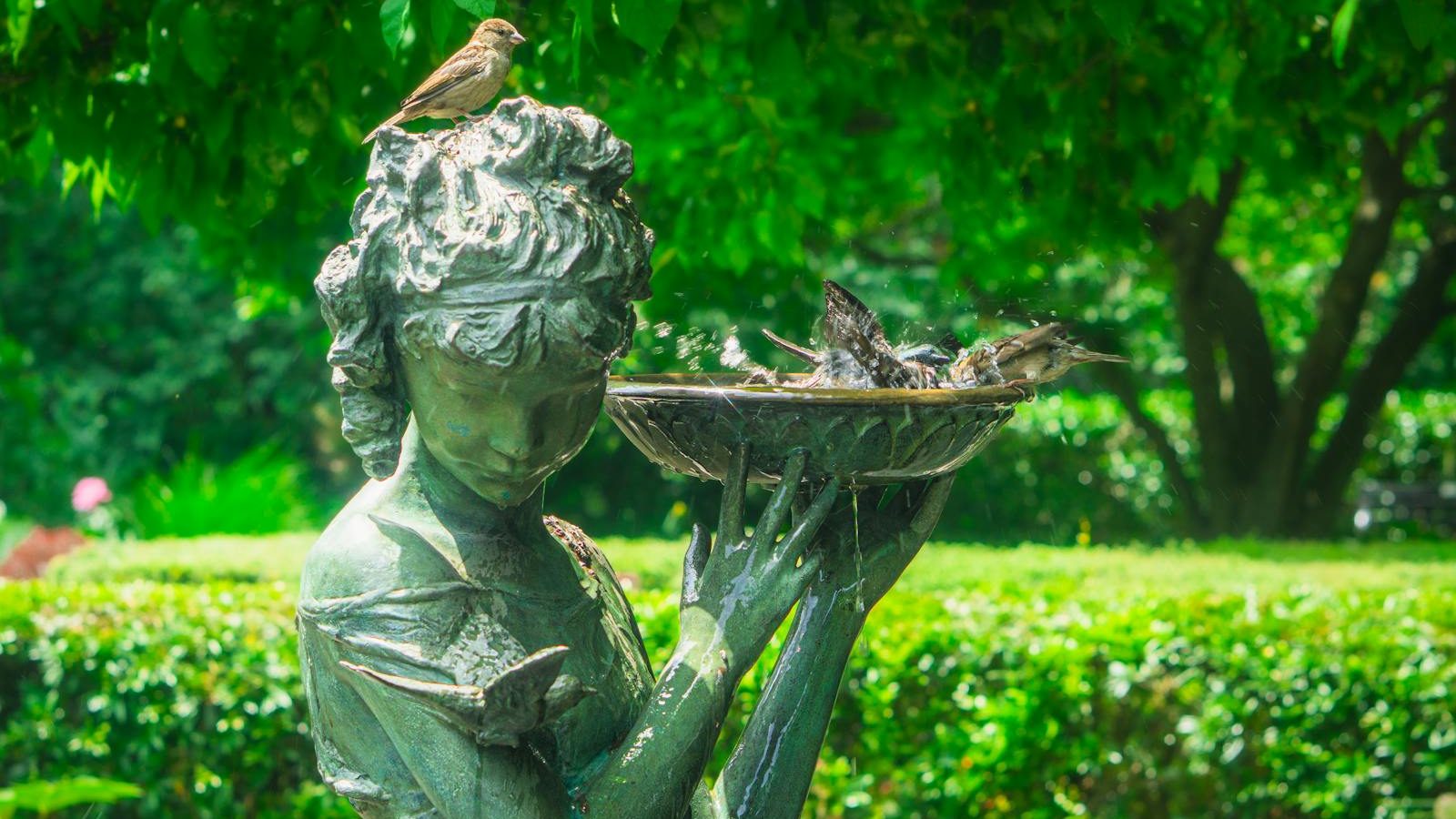
Water features, such as ponds and fountains, can enhance the beauty and tranquility of your garden. However, if not properly maintained, they can turn into an eyesore with algae growth, stagnant water, and broken parts. Potential buyers may see neglected water features as an added maintenance burden.
Ensure your water features remain an asset by cleaning them regularly, checking for leaks and damages, and keeping the water clear. In colder months, consider winterizing your water features to prevent damage from freezing temperatures. If the upkeep seems too much, you might want to consider removing them entirely.
Inadequate Outdoor Lighting
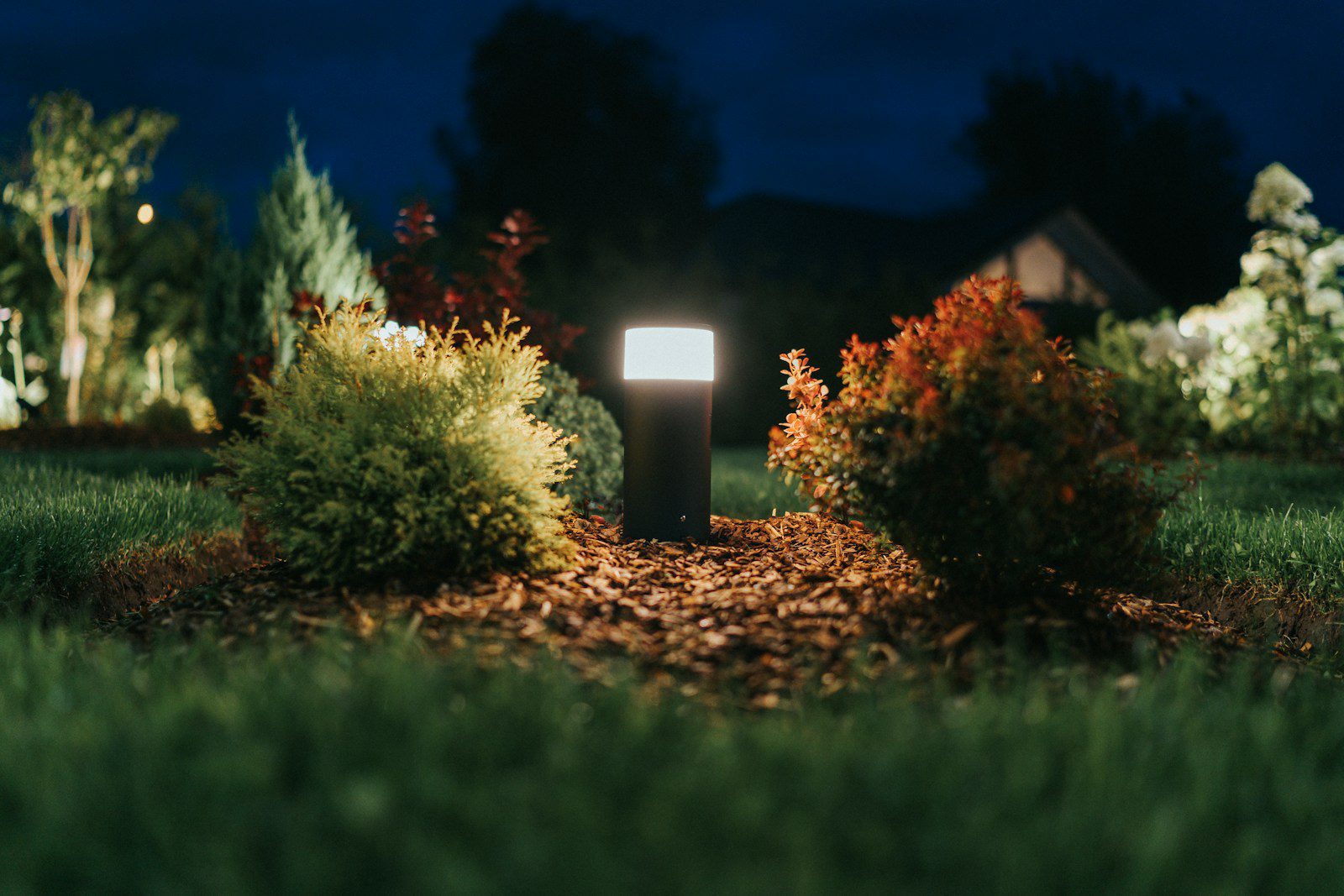
Outdoor lighting not only enhances the beauty of your landscape but also provides safety and security at night. However, poor lighting can make your property seem uninviting and dull. Failing to highlight key features of your garden, such as a beautiful tree or a water feature, is a missed opportunity.
Use a combination of task, accent, and ambient lighting to showcase your garden’s best features. Solar-powered lights are a great energy-efficient option for pathways. Install spotlights to highlight beautiful architectural features or plants. Remember, the goal is to create an inviting atmosphere that extends into the evening.
Inappropriate Size and Scale of Plants
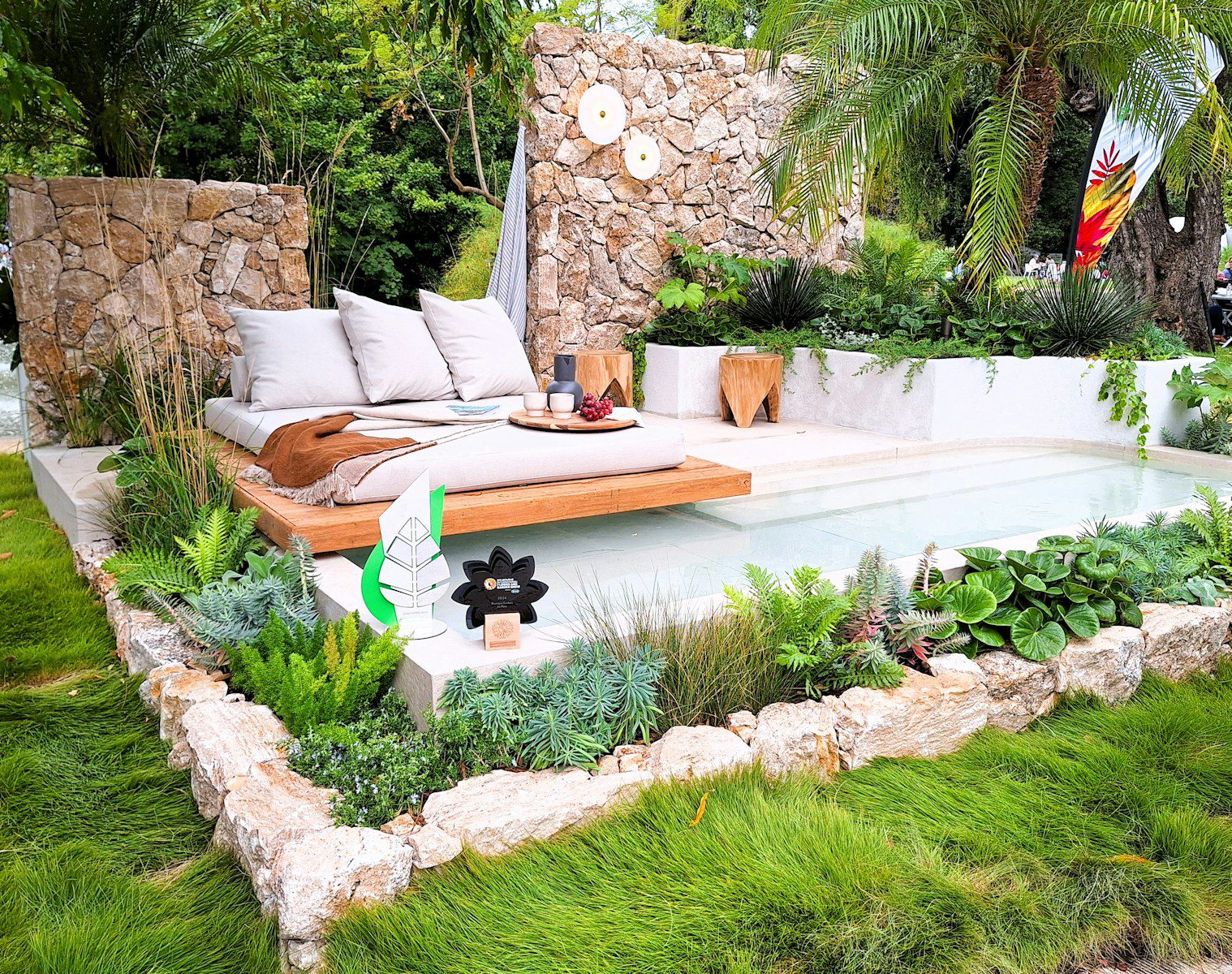
Planting trees or shrubs that are too large for your garden can overshadow your house and other plants. On the other hand, plants that are too small can look out of place and insignificant. Getting the scale right is crucial in achieving a balanced and harmonious landscape design.
When selecting plants, consider their mature size and growth rate. Large trees should be planted at a safe distance from your house to prevent potential damage from falling branches or roots. Use smaller plants and flowers near pathways and entrances. If you need help with plant selection and placement, don’t hesitate to seek advice from a landscaping professional.
Excessive Use of Lawn Ornaments
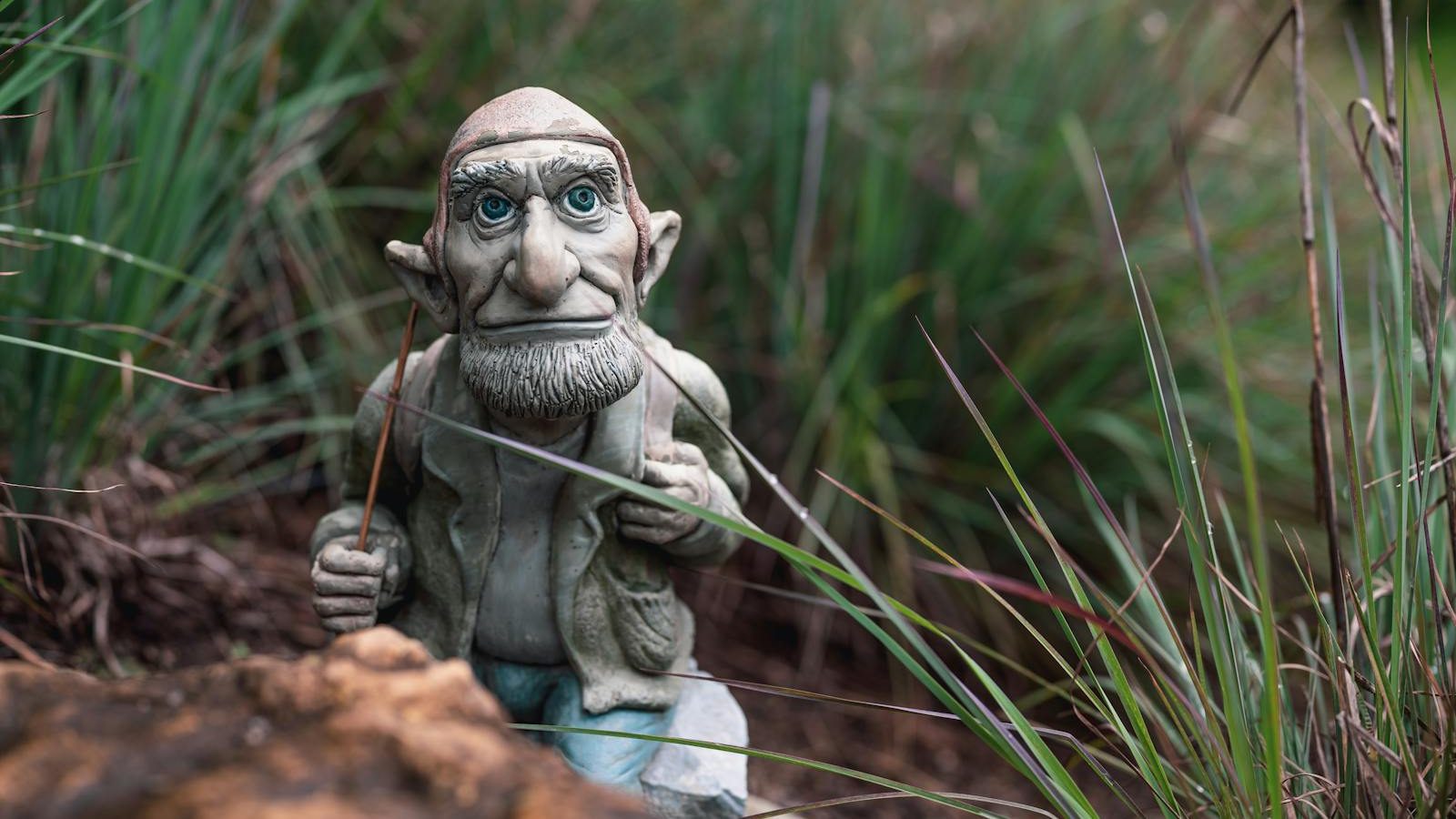
Lawn ornaments can add charm and personality to your garden. However, too many can create a cluttered and chaotic look. Balance is key when it comes to decorating your garden. Choose a few pieces that complement your landscape and place them strategically to create focal points.
Consider the size, color, and style of the ornaments. Larger pieces can be used as standalone features, while smaller ones can be grouped together for a coordinated look. Remember, less is often more when it comes to garden decor. This article offers great advice on avoiding decor mistakes that can ruin a home sale.
Insufficient Privacy Measures

Privacy is a significant factor for many homebuyers. A lack of privacy in your outdoor spaces can be a major turn-off. If your property is overlooked by neighboring houses, consider adding privacy measures such as fences, screens, or hedges.
Choose a privacy solution that not only functions well but also enhances your landscape design. For instance, a wooden fence can add a rustic charm, while a tall hedge can create a natural and lush border. If space allows, a pergola or gazebo can also provide a secluded spot in your garden.
Overuse of Mulch and Gravel
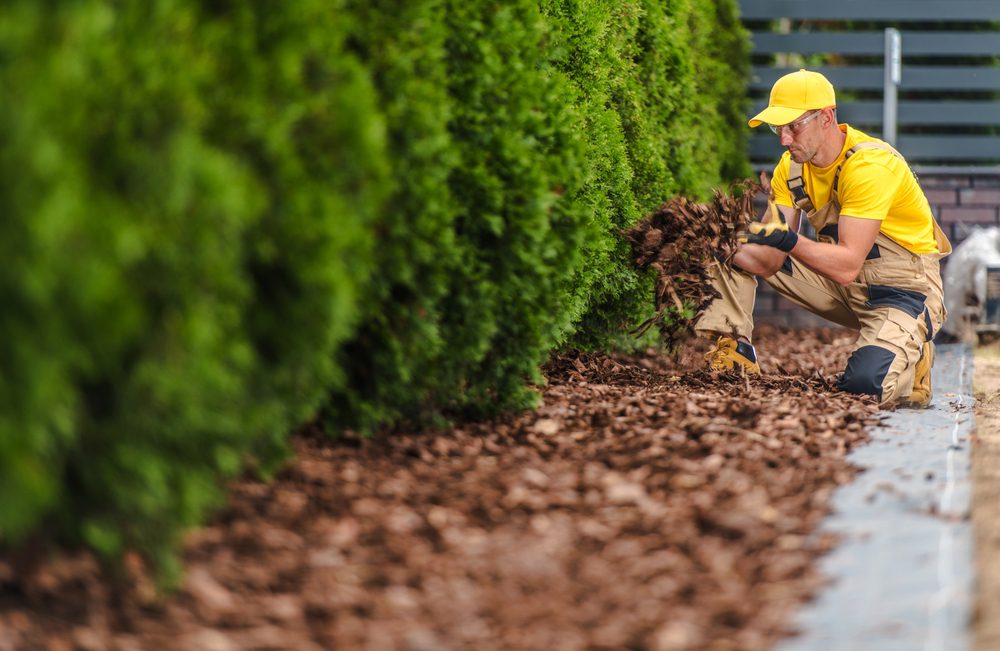
Mulch and gravel can help control weeds and conserve soil moisture. However, excessive use can make your garden look barren and uninviting. Balance is key. Use mulch and gravel sparingly and in the right places such as around trees and along pathways.
Consider the color and texture of the mulch or gravel and how it complements your plants and overall landscape design. Organic mulch, such as wood chips or compost, can also enrich your soil as it decomposes. For more tips on how to use mulch and gravel effectively, consult with a landscaping professional or horticulturist.
Ignoring Seasonal Changes
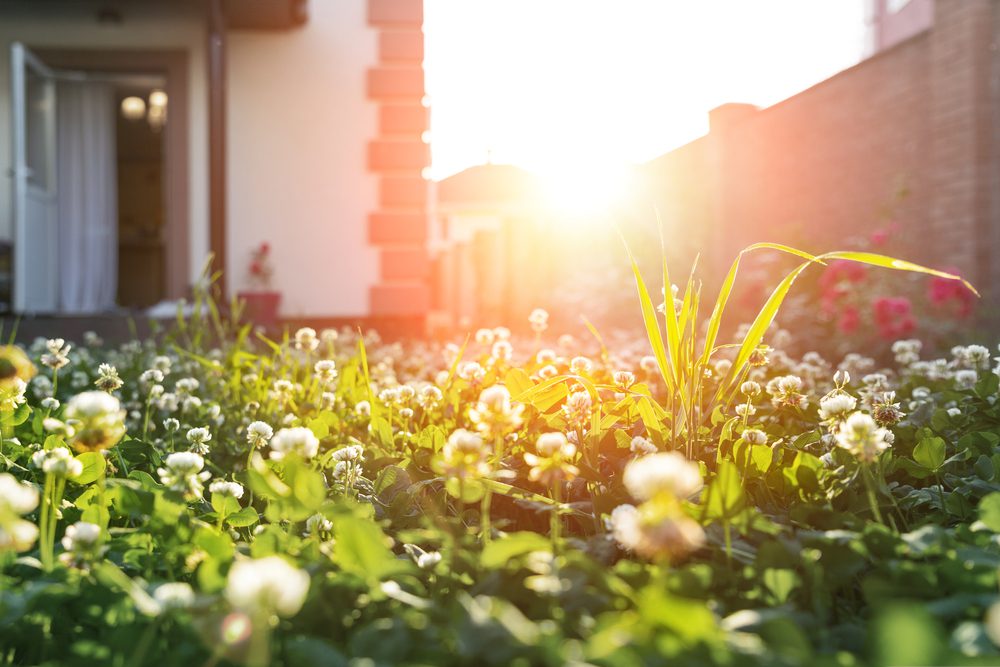
Landscapes are dynamic and change with the seasons. Ignoring these changes can result in a garden that looks great in one season but dull and lifeless in others. To create a year-round appealing landscape, select a variety of plants that offer seasonal interest. This could be in the form of spring flowers, summer fruits, autumn foliage, or winter bark.
Also, consider the maintenance requirements of your garden throughout the year. For instance, deciduous trees may require more clean-up in the autumn, while some plants may need additional protection in the winter. Planning for seasonal changes can ensure your garden remains attractive and manageable all year round.
Lack of Maintenance and Care Plan

Last but certainly not least, failing to have a maintenance and care plan for your landscape can turn buyers away. A beautiful garden requires regular care, including watering, pruning, fertilizing, and pest management. A neglected garden can quickly become overgrown and unattractive.
A well-planned maintenance schedule can keep your garden healthy and beautiful. Consider the needs of your plants and the time you can commit to garden care. If you’re unable to maintain your garden yourself, consider hiring a professional gardener or landscaping service. Remember, a well-kept garden can significantly increase the appeal and value of your property.