


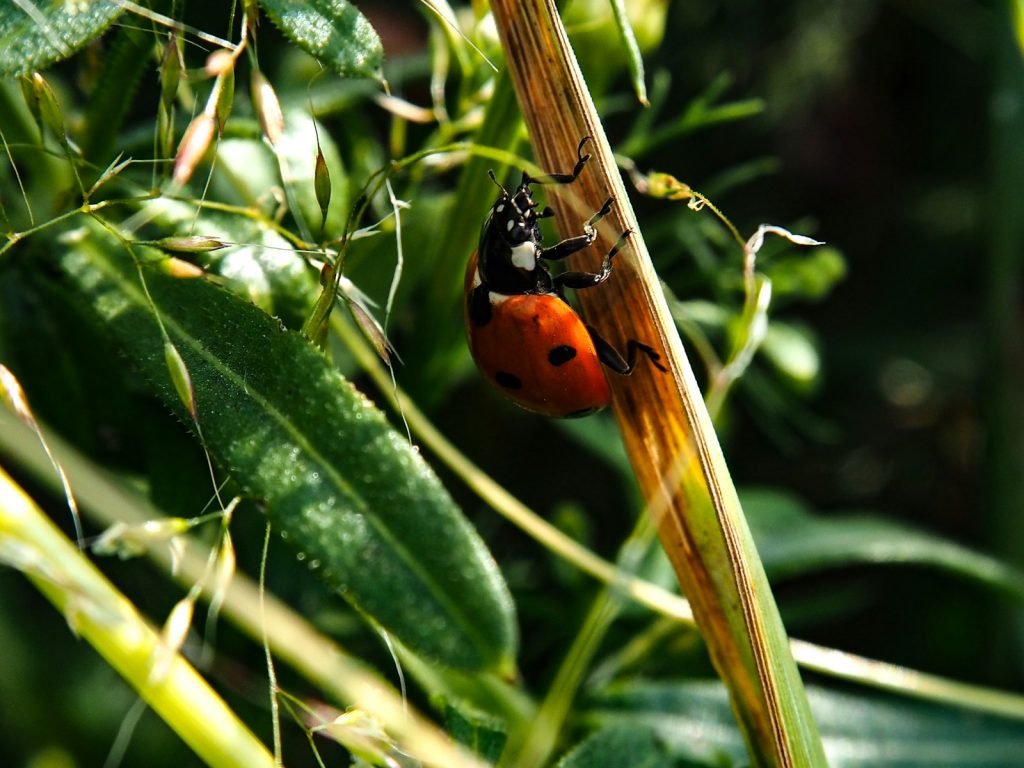
As an enthusiastic gardener, there’s nothing more rewarding than watching your garden thrive. However, bugs can often be a major concern for many gardeners. While some insects, like bees and butterflies, are beneficial for pollination, others can cause serious damage to your beloved plants.
Knowing which plants are more likely to attract pests can make a big difference in your garden’s health and success.
The following are some common plants that often lure bugs, and you might want to consider their alternatives if you’re trying to maintain a bug-free garden.
The Lure of the Sunflower: A Bug Magnet


Sunflowers, with their stunning aesthetics, are a common favorite among gardeners. However, they’re also popular with insects. Sunflowers are particularly attractive to aphids, thrips, and beetles.
These pests can cause significant damage, particularly if left unchecked. For a less bug-attracting alternative, consider planting marigolds. They’re also beautiful and known to repel certain pests.
The Unwanted Attention of Aphids: Rose Plants

There’s no denying the beauty of rose plants, but they’re notorious for attracting aphids. These tiny pests suck the sap from the plants, causing their leaves to curl and yellow. If you still want the romance of roses without the bug drama, consider planting Bugbane. It offers beautiful blooms and a lovely fragrance, without attracting hordes of bugs.
The Unexpected Bug Attractor: Mint Plants

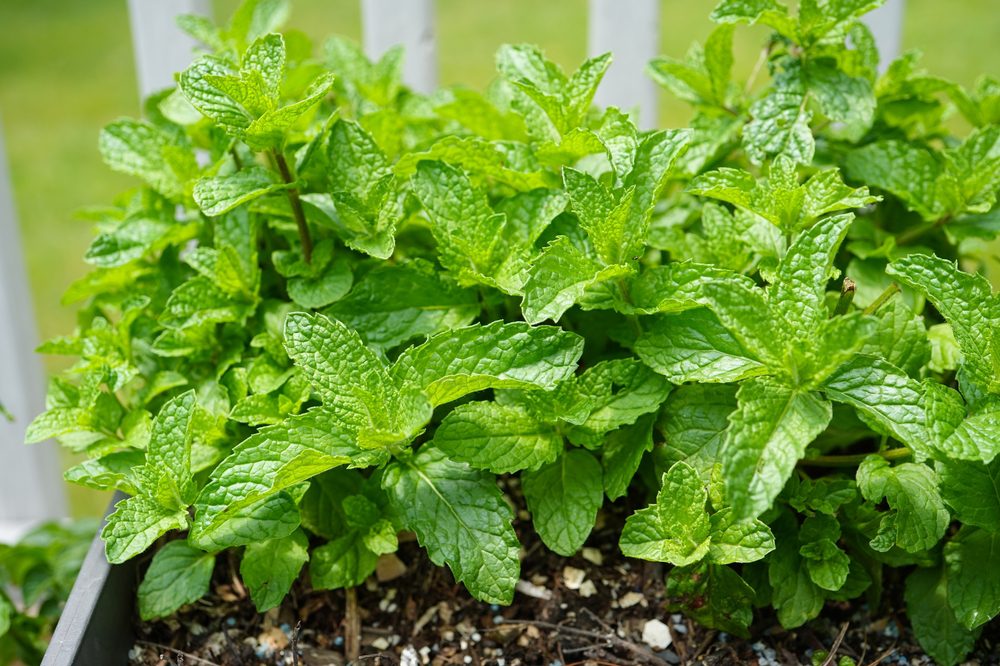
Mint plants might be great for adding a fresh flavor to your drinks and dishes, but they’re also known to attract various bugs, including aphids and spider mites. If you’re looking for an aromatic herb that doesn’t attract as many pests, try planting lavender instead. It’s not only beautiful but also known to repel several types of bugs.
Whiteflies’ Favorite: The Tomato Plant

Tomato plants are a staple in many home gardens, but they’re a known favorite of whiteflies. These pests feed on the plant’s sap, causing the leaves to yellow and drop off. If you love growing your own veggies but want to avoid whitefly infestations, consider planting onions or garlic. These plants are less likely to attract harmful bugs.
The Aphids and Whiteflies’ Paradise: Cabbage and Kale
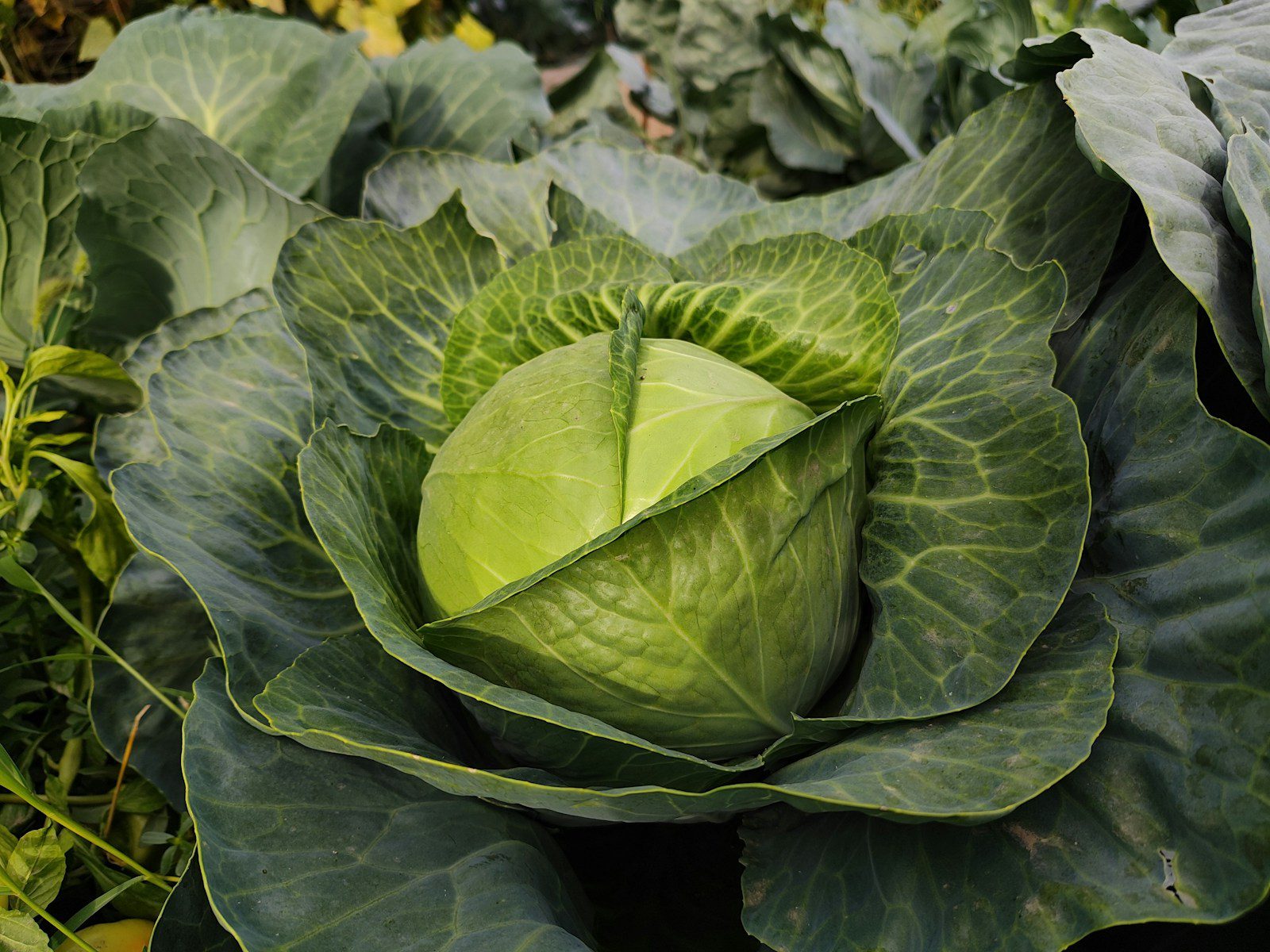
Cabbage and kale are nutritious additions to any garden, but they’re also magnets for aphids and whiteflies. To enjoy leafy greens without the bug problems, consider planting spinach or Swiss chard. These greens are not only delicious but tend to attract fewer pests.
The Troublesome Relationship Between Bugs and Strawberries
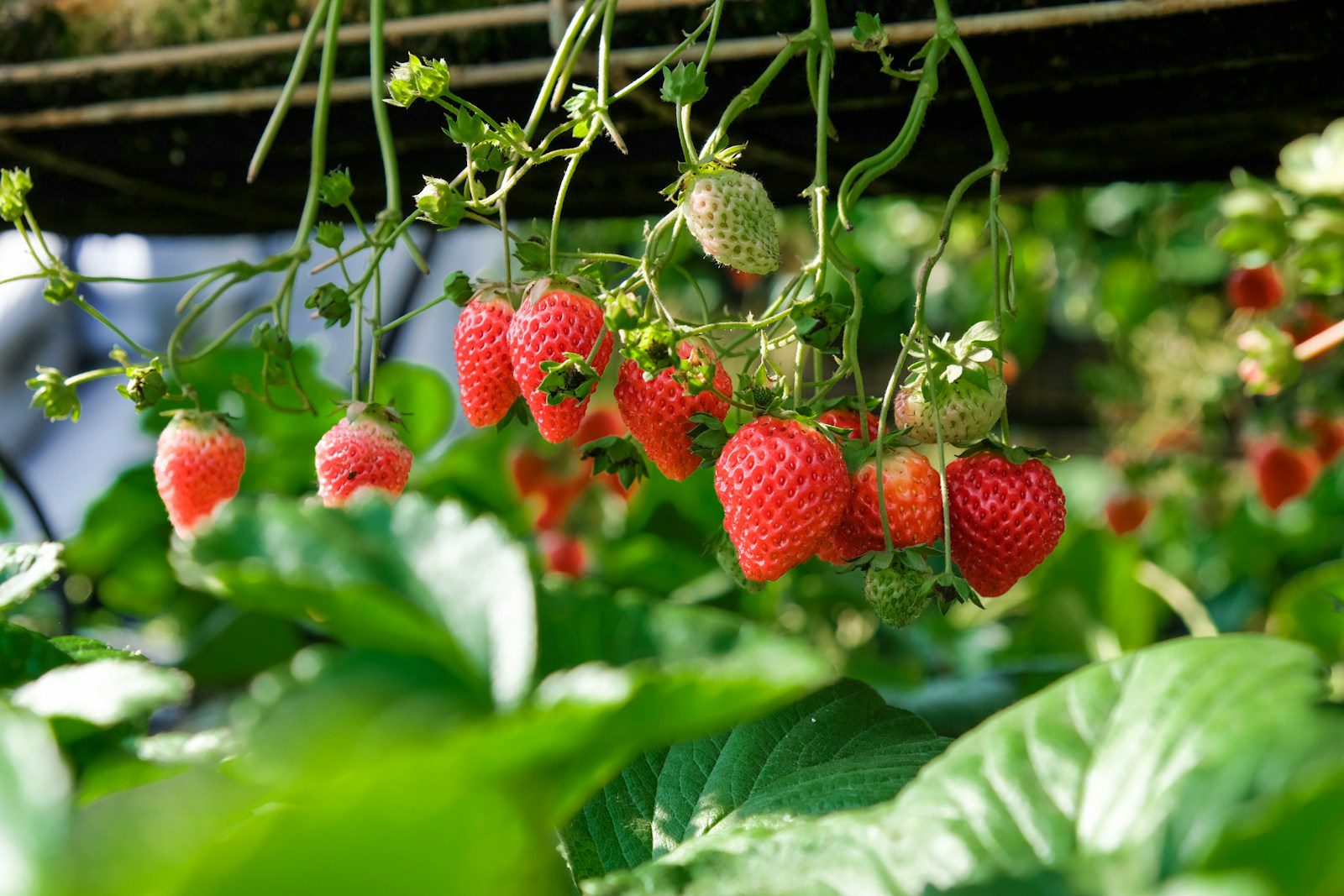
Strawberries are delicious, but they come with a downside. They’re known to attract slugs, snails, and other pests. If you want to grow fruit without dealing with these pests, consider planting blueberries. They’re equally tasty and are less likely to attract nuisance bugs.
Bugs and the Irresistible Pull of The Zinnia Plant


Zinnia plants are colorful and easy to grow, making them a popular choice for many gardeners. However, they’re also popular with aphids and spider mites. For a less bug-prone flowering plant, consider planting petunias. They’re vibrant, easy to care for, and less likely to attract damaging pests.
Attracting Pests: The Downside of Growing Basil
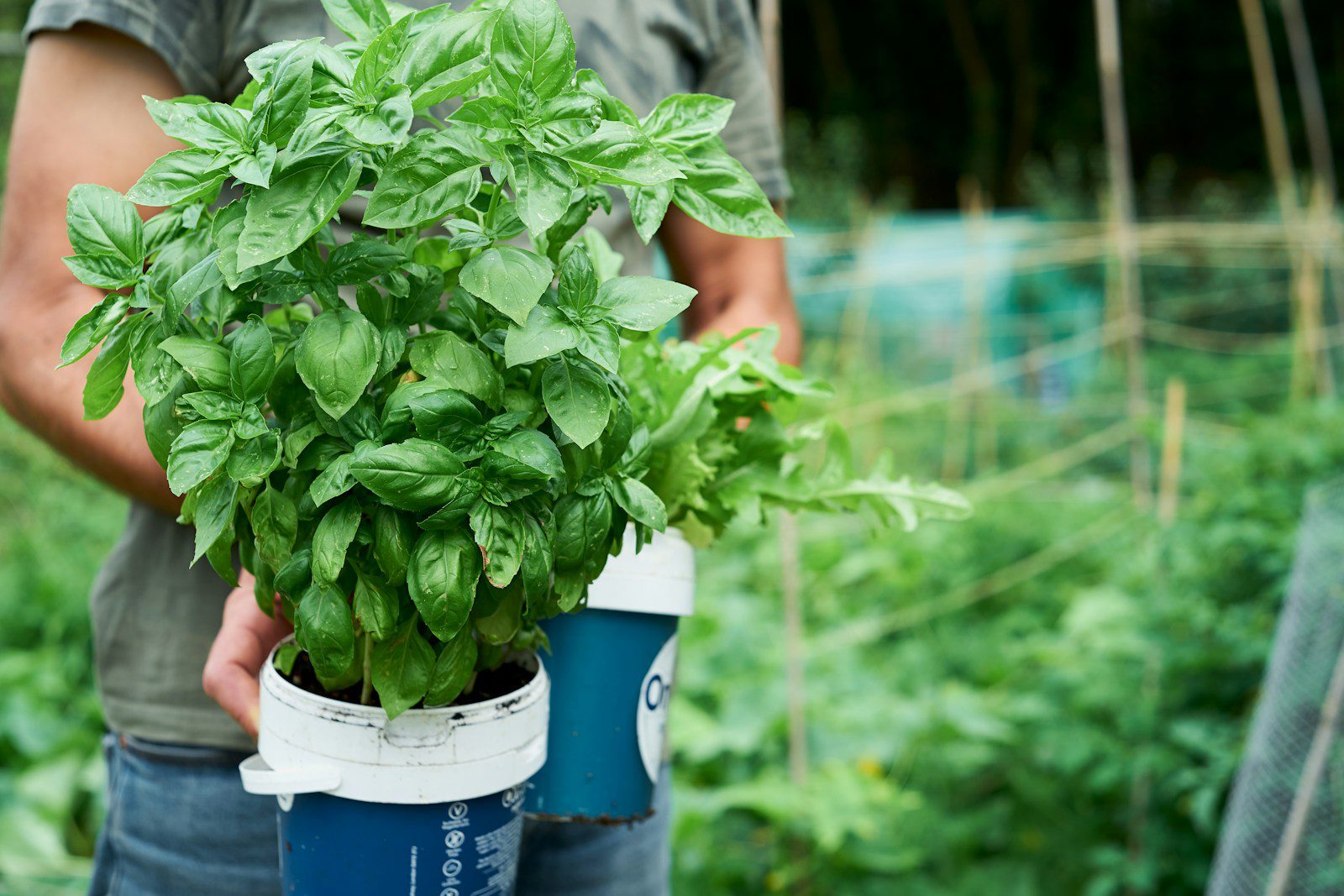
While basil is a must-have in any herb garden, it’s known to attract aphids, thrips, and beetles. If you’re looking for a less bug-attracting herb, consider planting rosemary. It has a similar flavor profile and is less prone to bug infestations.
The Unwanted Guest: Aphids Love Lettuce
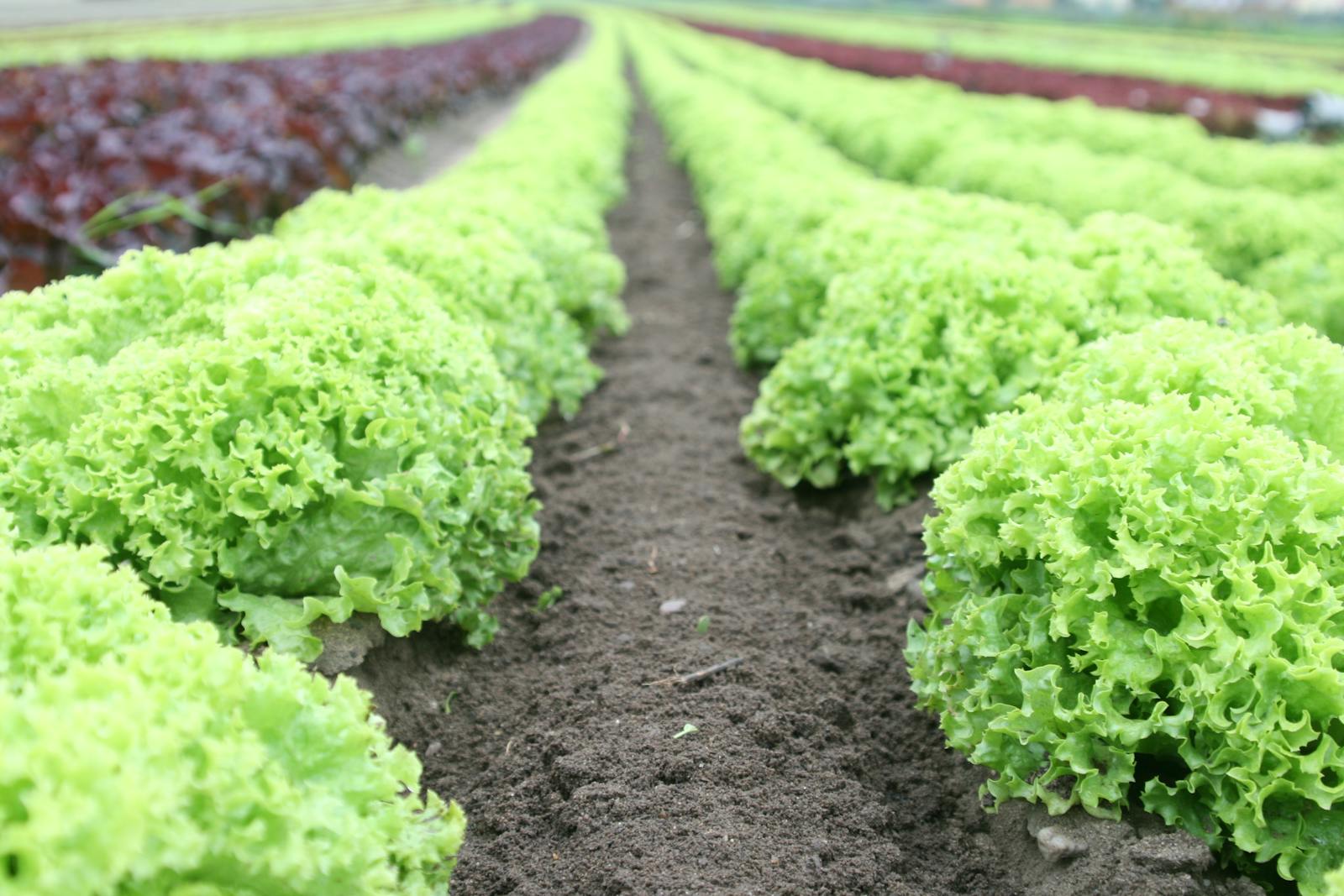
Lettuce is a garden staple, but it’s also a favorite of aphids. These pests can cause significant damage to your lettuce plants. If you’re looking for a less bug-attracting leafy green, consider planting arugula. It’s delicious, easy to grow, and tends to attract fewer pests.
Going Organic? Think Twice About Corn

Grow your corn can be rewarding, but it’s also known to attract a variety of pests, including corn earworms and aphids. If you still want to grow your own grains but want to avoid these pests, consider planting quinoa. It’s a superfood that’s relatively easy to grow and tends to attract fewer bugs.
The Unfortunate Attraction: Bugs Love Squash and Pumpkin
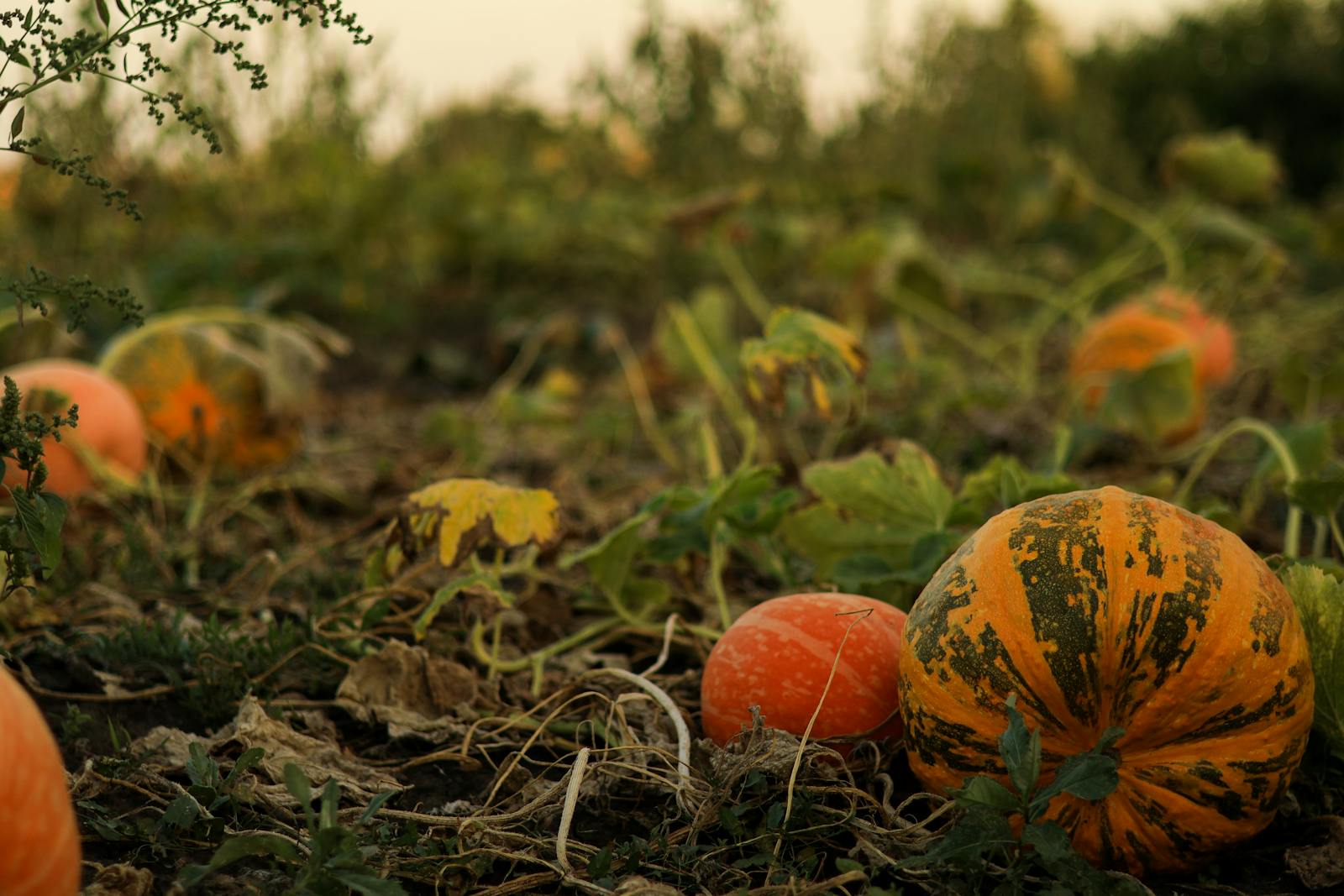
Squash and pumpkin plants are fun to grow, especially if you have kids. However, they’re known to attract squash bugs and beetles, which can cause significant damage. If you’re looking for a less bug-attracting alternative, consider planting cucumbers. They provide a similar gardening experience but tend to attract fewer pests.
In conclusion, while all plants can potentially attract bugs, some are more prone to it than others. By knowing which plants are bug magnets and considering their alternatives, you can help maintain a healthier, happier garden. Remember, attracting beneficial insects and spiders is also essential for a balanced ecosystem. Here is a resource where you can learn more about these beneficial creatures. Happy gardening!
Before you go — if this inspired you, check out these readers-loved favorites:
- 9 Things Boomers Saved That Millennials Now Want
- 12 Halloween Decor Items That Appreciate Over Time
- Amazon’s Best Retro Home Décor Finds You Can Snag Right Now