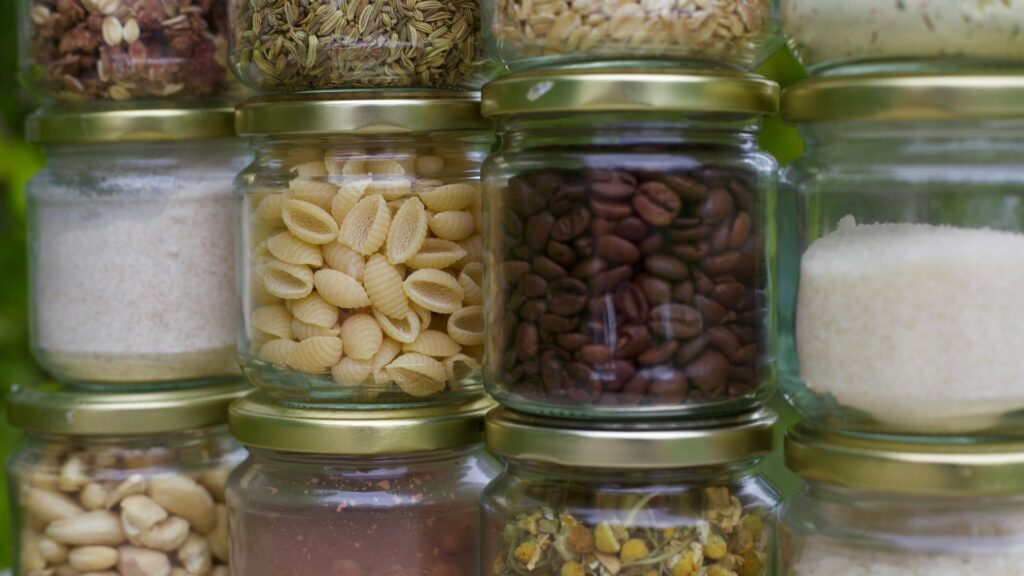
Go ahead and peek at the back of your pantry. There is probably a box of crackers from a holiday party, a bag of brown sugar that could break a tooth and a jar of spice you bought for one recipe.
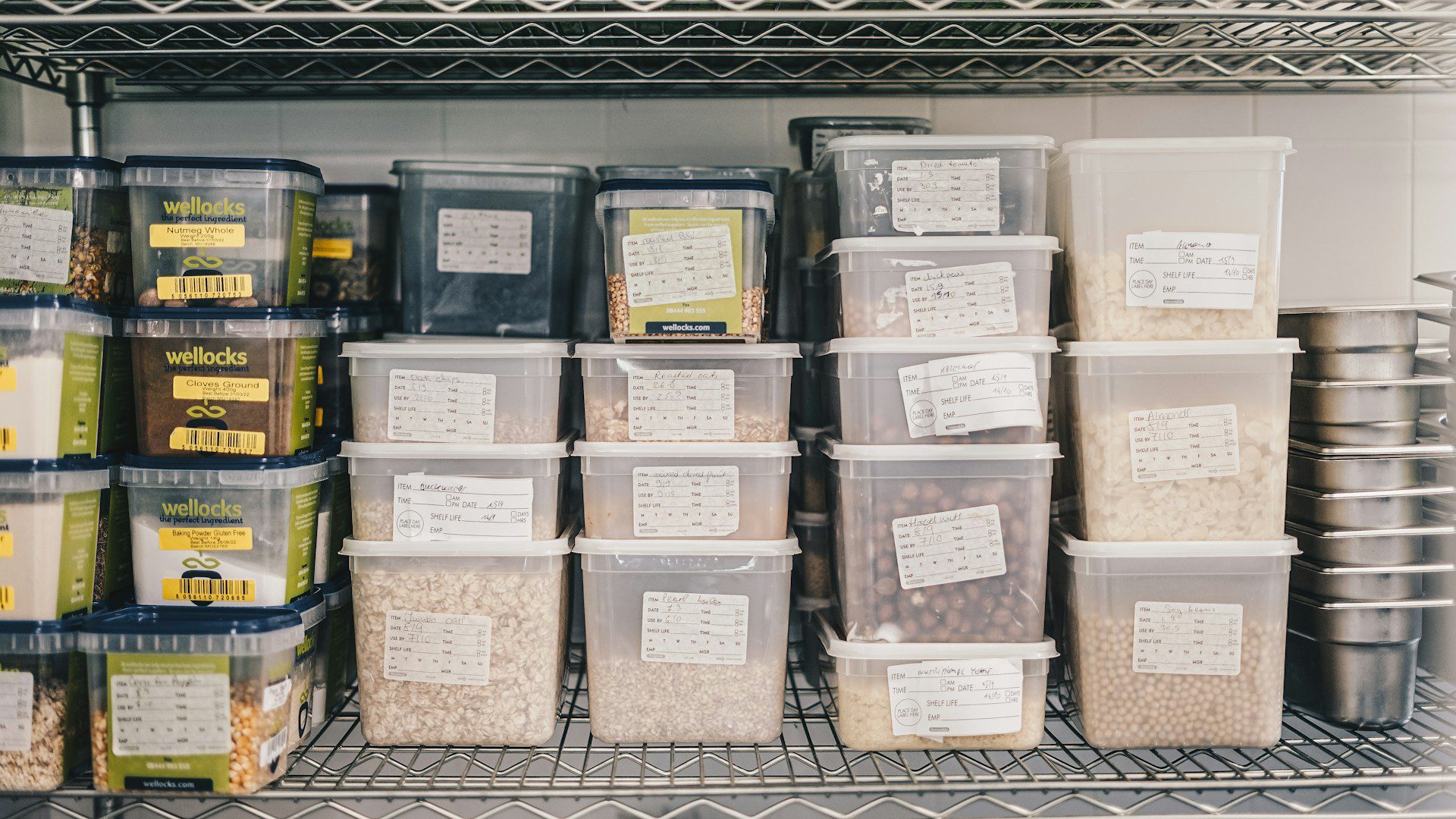
Most of us treat the pantry like a vault where food waits forever. It does not, and North Dakota State University Extension has the numbers.
The university’s Food Storage Guide (NDSU Extension, Julie Garden-Robinson, 2013) lists how many months common shelf foods keep their best quality. Here are 12 you should not leave sitting this long.
The surprise is how short some of the times are. Foods that feel permanent, like peanut butter and spices, have a much shorter window than a can of beans.
Opened Cereal Is Best Within 2 To 3 Months
The NDSU guide lists unopened ready-to-eat cereal at 6 to 12 months, but once the box is open the clock shortens to 2 to 3 months. It advises refolding the liner tightly.
That half-empty box the kids abandoned last summer has probably passed its prime.
Packaged Cookies Last About 2 Months
According to NDSU Extension (2013), packaged cookies keep for 2 months, and the box should be kept tightly closed. The fresh crunch fades quickly.
If the tin has been in the cupboard since Christmas, it is time to move on.
Crackers Keep For 3 Months
NDSU lists crackers at 3 months and again says to keep the box tightly closed. A cracker that has gone soft is the first sign that the clock has run out.
Buy smaller boxes if your household goes through them slowly.
Brown Sugar Is Good For 4 Months In An Airtight Container
The guide gives brown sugar 4 months in an airtight container. That is far shorter than granulated sugar, which it lists at 24 months.
The difference explains why the brown sugar turns into a rock while the white sugar stays pourable.
Opened Vegetable Oil Should Be Used In 1 To 3 Months
NDSU says unopened vegetable oils keep for 6 months, but opened oil should be used within 1 to 3 months. It recommends a cool, dark place with the container tightly closed.
Many of us hang on to a bottle for years because it looks fine, but the guide’s numbers say otherwise.
Ground Spices Are Best Within 6 Months
The guide lists ground spices at 6 months and says to check the aroma. Whole spices last 12 to 24 months, and whole cloves and cinnamon sticks keep beyond two years.
If you rub a pinch between your fingers and smell nothing, it is not adding much to the stew.
Opened Instant Coffee Lasts Only 2 Months
NDSU lists opened instant coffee at 2 months, compared with 12 to 24 months for an unopened jar. The jar on your shelf may have been open far longer than that.
Date the lid with a marker when you open it, and you will never wonder again.
Marshmallows Keep For 2 To 3 Months
The guide gives marshmallows 2 to 3 months in an airtight container. That bag from the s’mores night at the lake has a short window.
Hard, crusty marshmallows are your cue to toss them.
Opened Peanut Butter Keeps 2 To 3 Months
NDSU lists unopened peanut butter at 6 to 9 months and opened peanut butter at 2 to 3 months. It notes that peanut butter keeps longer if refrigerated, and that natural peanut butter must be refrigerated.
If your jar has been open since the last family reunion, consider it a sign.
Opened Nuts Last Only About 2 Weeks
This one is the shortest. NDSU lists opened nuts at half a month, or 2 weeks, and says to refrigerate after opening.
It also notes that unsalted nuts keep longer than salted nuts.
White Potatoes Keep 2 To 4 Weeks
The guide lists white potatoes at 2 to 4 weeks, and says to keep them below 50 degrees Fahrenheit for longer storage. Sweet potatoes get 1 to 2 weeks and onions 1 week in the same chart.
A bag of potatoes in a warm pantry will not last as long as you might expect.
Toaster Pastries Are Best Within 2 To 3 Months
NDSU lists toaster pastries at 2 to 3 months in an airtight package. The box feels shelf-stable, so we tend to forget it.
Check the package date, and move it up the breakfast schedule.
The guide closes with a rule worth remembering: “When in doubt, throw it out.”
These numbers are quality guides for storage at home, not hard expiration dates, so always look and smell before you eat. A package date and a sniff test help.
A quick fix is a pantry audit. Pull everything out once a season, put the shortest-lived foods in front and write the open date on the lid with a marker.
Do the same for the freezer and refrigerator while you are at it. A few minutes of sorting saves money, because you will use what you have before it fades, and it frees up shelf space for the foods you actually reach for.
Share the list with the family cook, too. Everyone has a mystery jar in the back, and now you know how to judge it.
More Stories You May Like
- Buying In Bulk Backfires When The Warehouse Club Deal Expires Before You Finish It And Clutters Your Pantry
- Woman Tries Backwards Decluttering By Pulling Out Only The Clothes She Loves To Wear And Leaving Everything She Has Not Worn Hanging While Her Mom Weighs In
- Ebay Is Banning Gift Card Sales Including Empty And Used Ones, With Australia Starting November 12 And US Sellers Reportedly Next, So Clear Out Your Listings