Design trends come and go, but some styles seem to stick around longer than others, much to the chagrin of many millennials and Gen Z’ers. As younger generations claim their own space in the housing market, they’re shaking up home trends and leaving some outdated styles in the dust.
From overly traditional furnishings to themed rooms, there’s a growing divide between what older generations consider classic and what younger people see as passé. If you’re curious about what’s not making the cut, here are thirteen home trends that millennials and Gen Z are both firmly turning their noses up at.
1. Overly Traditional Furniture Styles
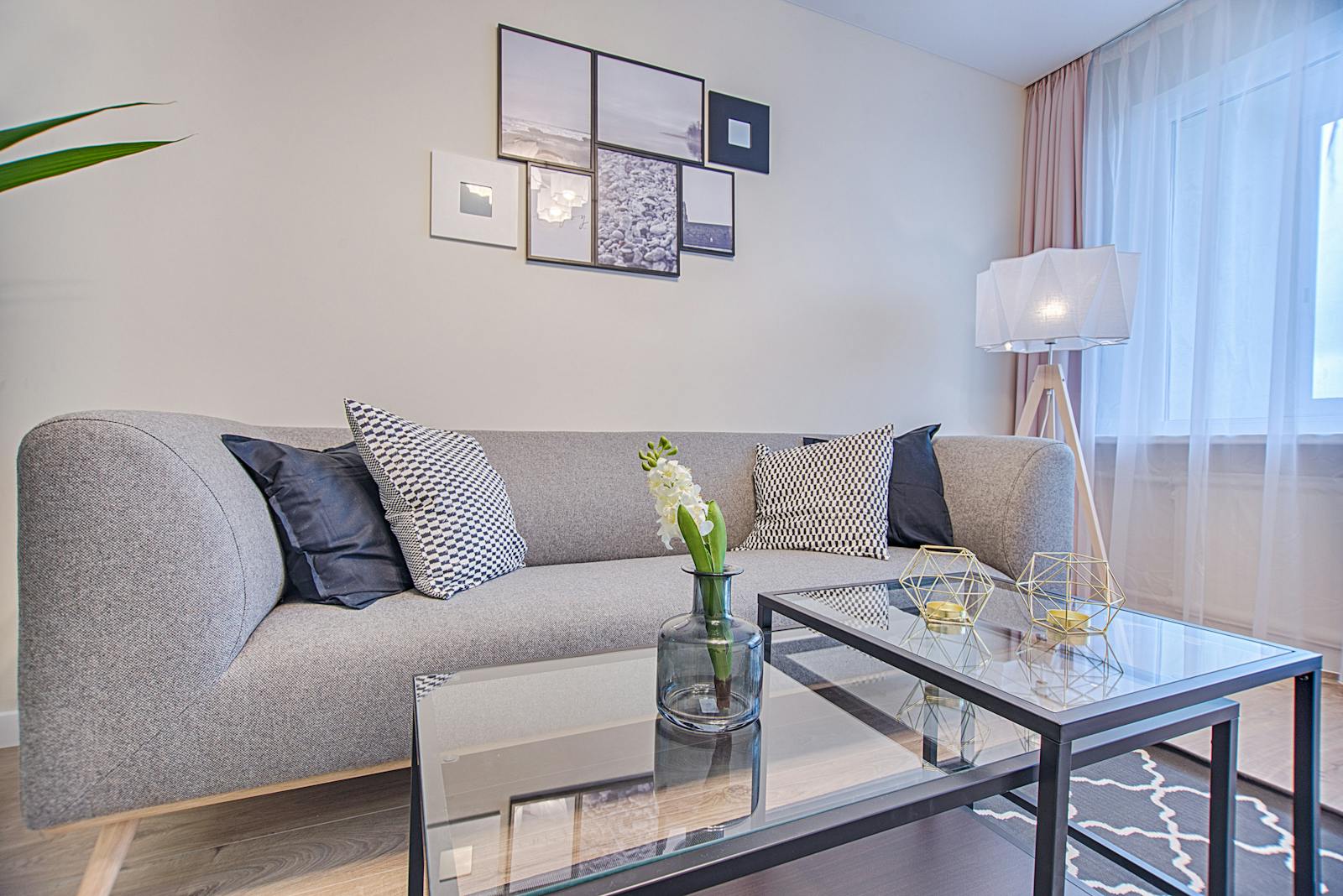
Both millennials and Gen Z have shown a clear preference for more minimalist, modern styles. Ornate, overly traditional furniture can feel outdated and stuffy, and it doesn’t align with the clean, sleek aesthetics that younger generations are drawn to.
This doesn’t mean that all classic styles are out – many millennials and Gen Z’ers appreciate the craftsmanship and durability of vintage pieces, but they prefer to incorporate them in a more contemporary context.
2. Wall-to-Wall Carpeting
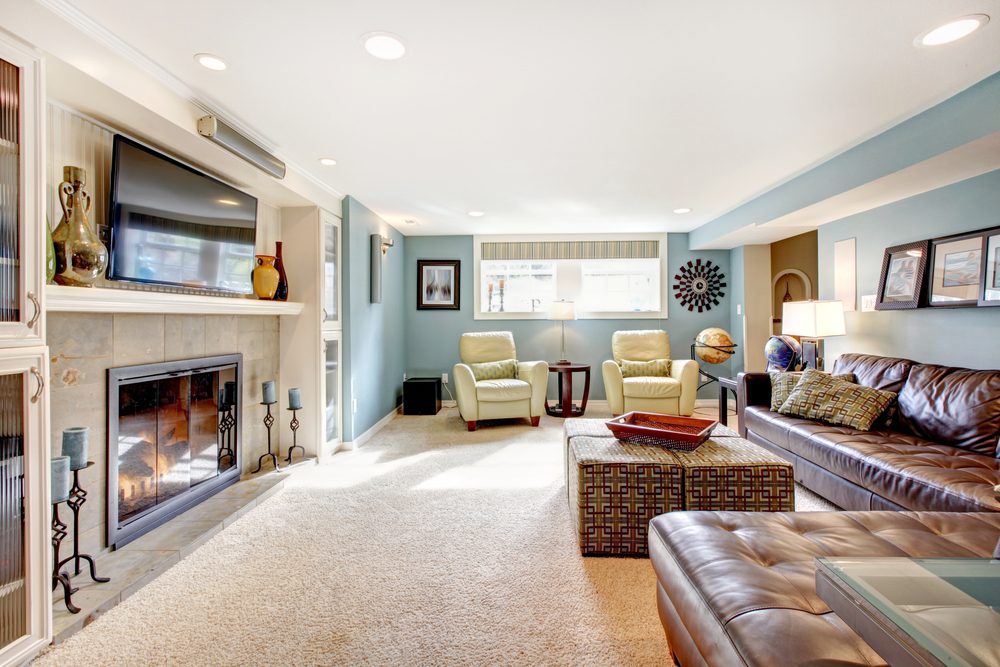
Carpet has been on the decline for a while, and it’s especially unpopular among younger buyers. Wall-to-wall carpeting is often seen as less clean and more difficult to maintain than hardwood or tile. Many prefer the look and feel of natural materials, and they appreciate the flexibility that comes with area rugs.
According to a study from MDPI, millennials and Gen Z also consider sustainability when choosing flooring, which often leads them away from synthetic carpet.
3. Ruffled, Heavy Curtains
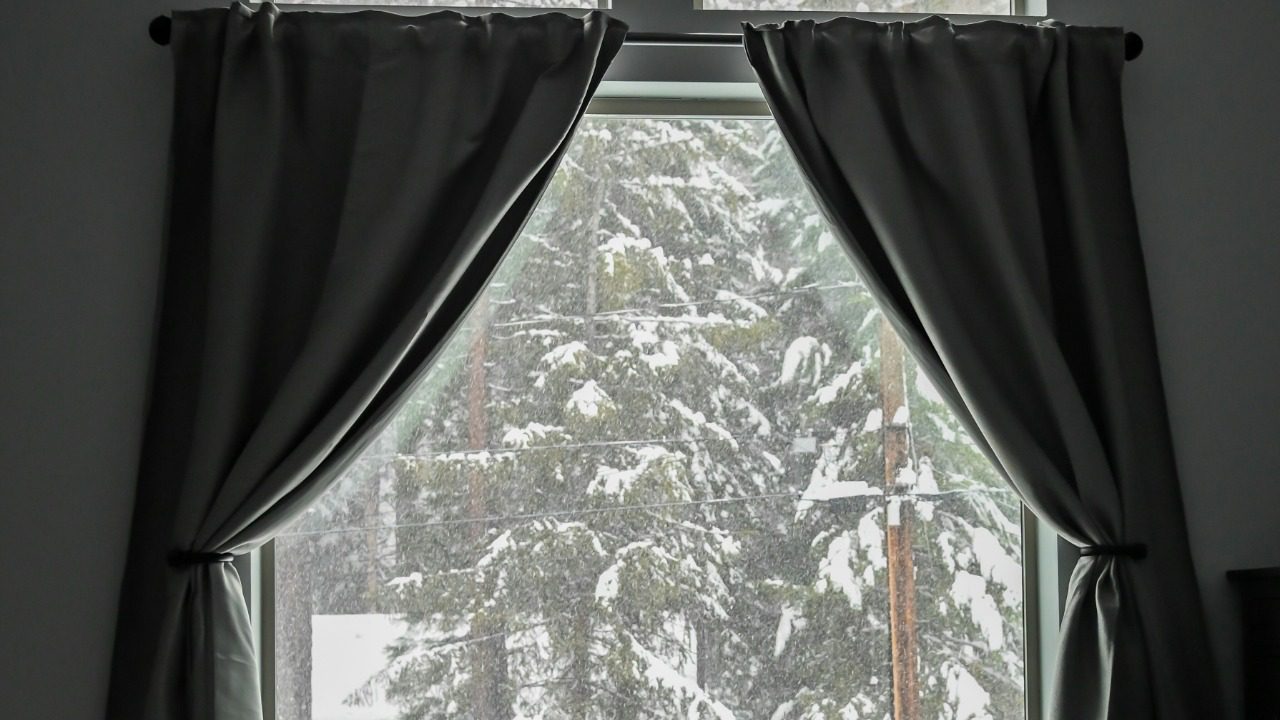
Ruffled curtains are another victim of the shift towards minimalism. Heavy, fussy window treatments can feel old-fashioned and oppressive, and they can also block natural light – a big no-no for many younger homeowners.
Instead, millennials and Gen Z are opting for simpler options like blinds, shades, or light, flowing curtains that let in plenty of light.
4. Matching Furniture Sets

Younger generations are all about expressing their individuality, and that extends to their homes. Matching furniture sets can feel impersonal and cookie-cutter, so many millennials and Gen Z’ers prefer to mix and match pieces for a more eclectic, personal look. This approach allows them to showcase their unique style and create a space that feels truly their own.
5. Popcorn Ceilings
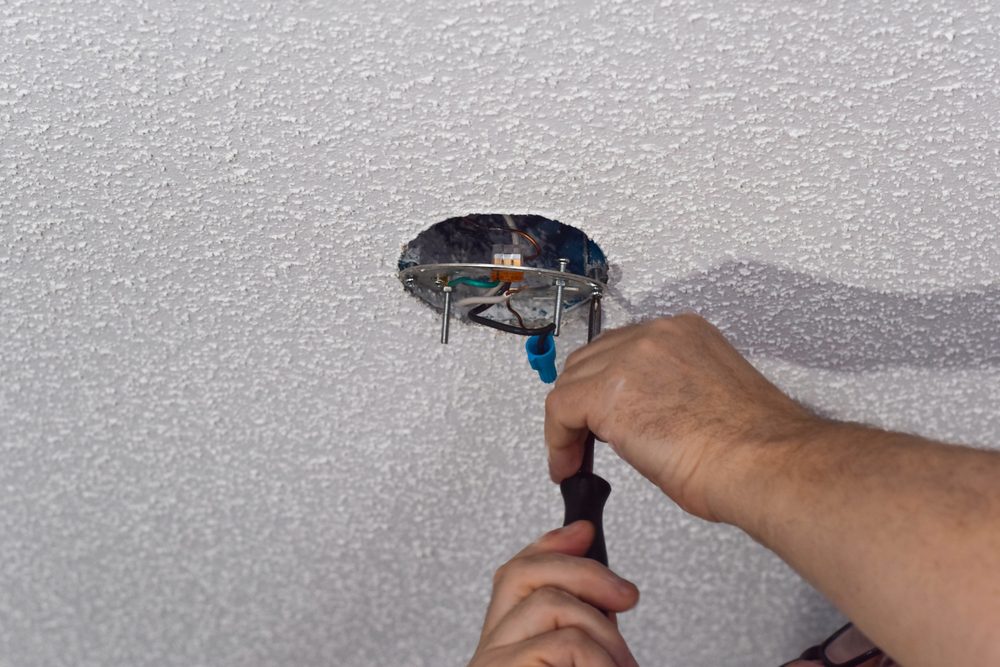
If there’s one home feature that’s almost universally disliked, it’s the popcorn ceiling. These bumpy, textured ceilings were popular in the mid-20th century, but they’ve fallen out of favor in a big way. Not only are they considered unsightly, but they’re also difficult to clean and can even contain asbestos.
According to an article on Yahoo Shopping, many homeowners are choosing to remove popcorn ceilings entirely, opting for a smoother, cleaner look instead.
6. Tuscan-Style Kitchens
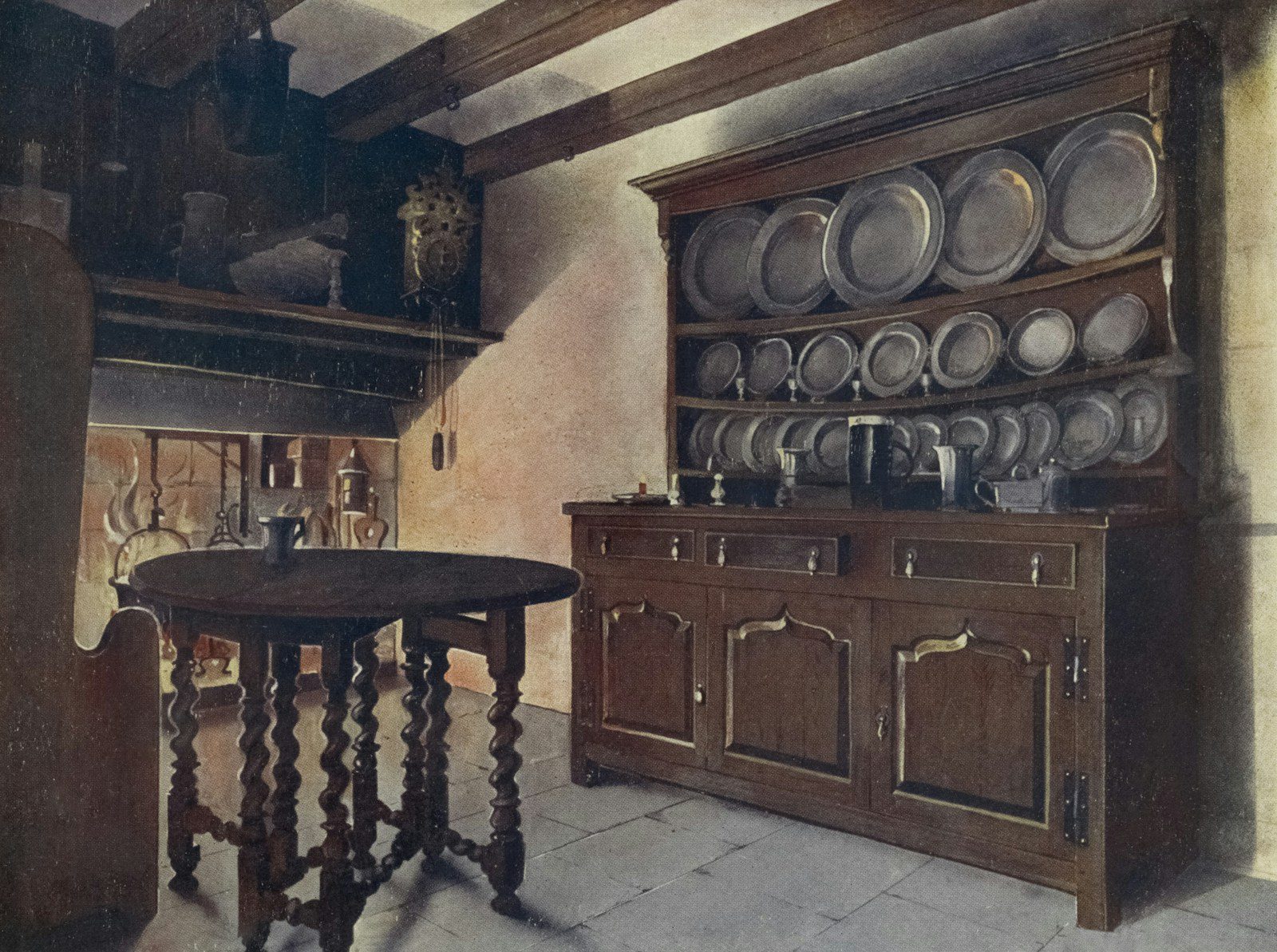
While Tuscan-style kitchens were all the rage in the early 2000s, they’re now seen as dated and overdone. The heavy, dark wood cabinets, ornate detailing, and warm color palette can feel heavy and outdated.
Instead, millennials and Gen Z are gravitating towards lighter, more modern kitchen designs with clean lines and neutral colors.
7. Laminate Countertops
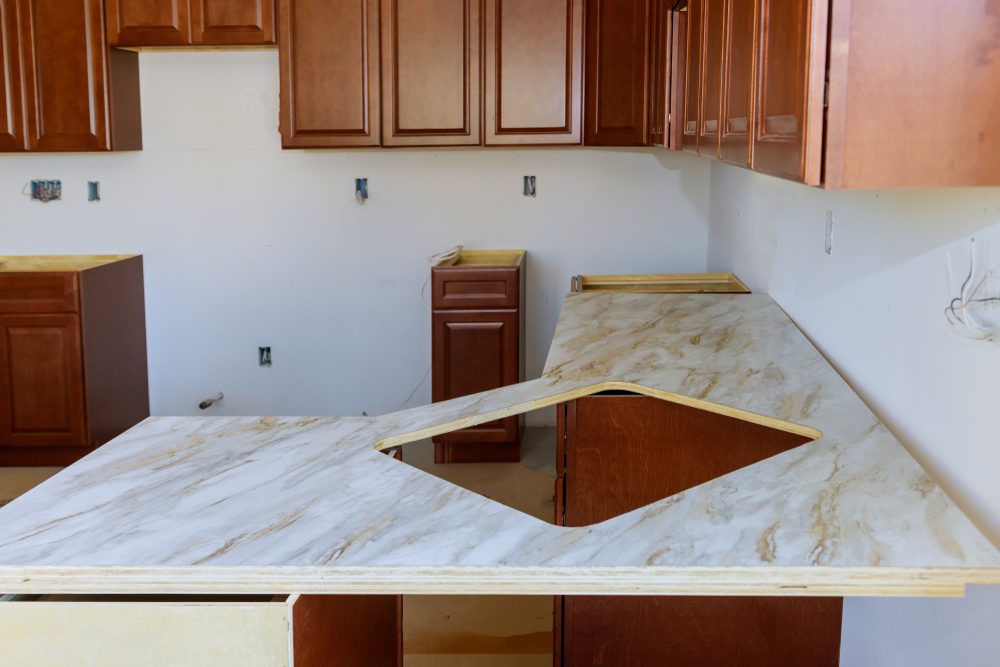
Laminate countertops are another feature that’s fallen out of favor. While they’re affordable and durable, they can look cheap and dated, especially compared to natural materials like stone or wood.
A study from UTS found that younger buyers are willing to spend more on high-quality finishes, and they often prioritize countertops when updating a kitchen.
8. Overly Themed Rooms
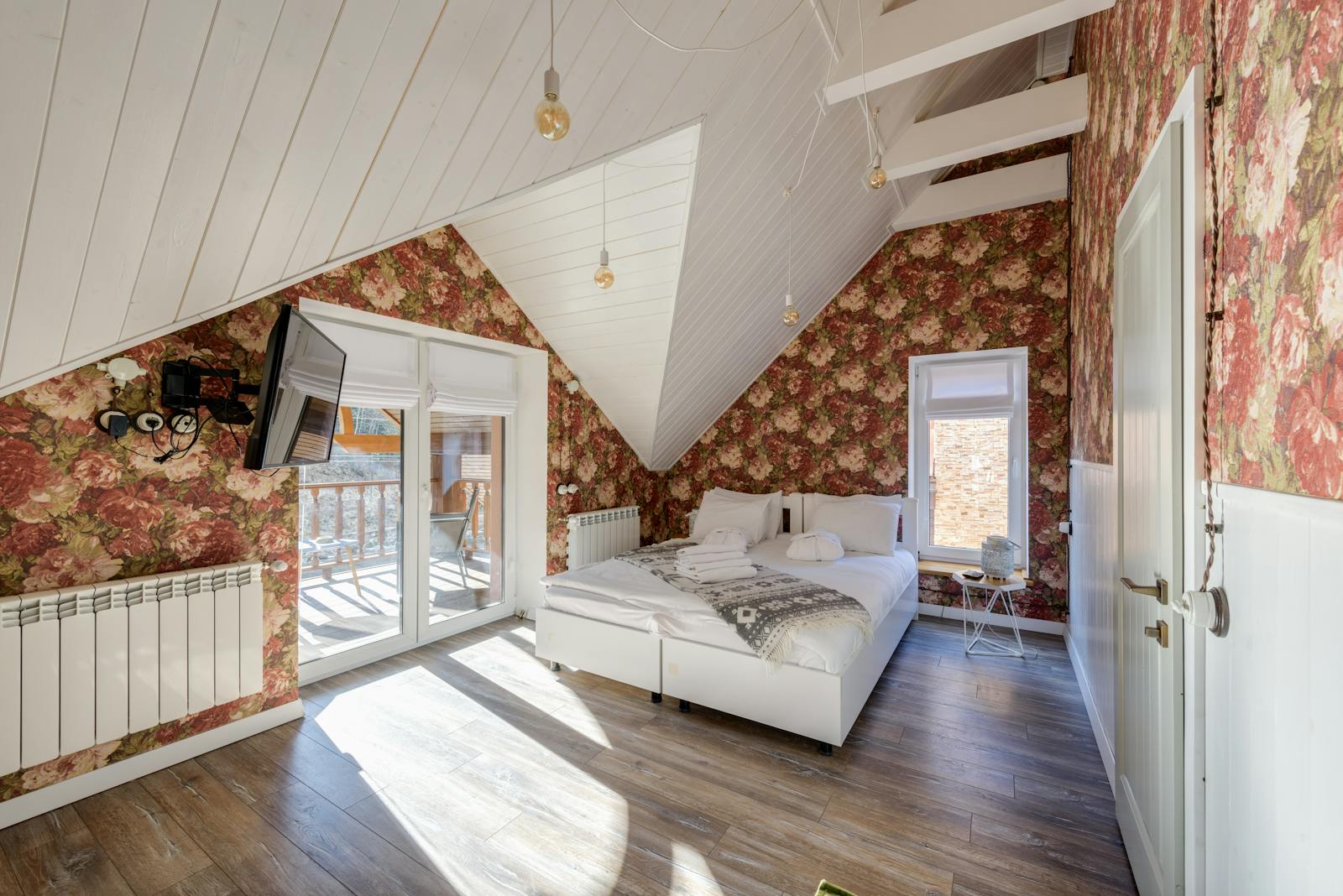
Overly themed rooms are a thing of the past. While it’s fine to have a general style or color scheme in mind, rooms that adhere too strictly to a single theme can feel contrived and kitschy.
Instead, millennials and Gen Z prefer rooms that feel cohesive and thoughtful, but still have room for personal touches and unexpected elements.
9. Cluttered Spaces

Clutter is a big no-no for younger generations. With the rise of minimalist design and the popularity of decluttering methods like the KonMari technique, many millennials and Gen Z’ers are choosing to live with less. They prefer clean, organized spaces that feel calm and uncluttered.
10. Antique Collections

While some millennials and Gen Z’ers appreciate the charm and history of antiques, they’re less keen on large collections that take up space and create clutter. Instead, they prefer to choose a few meaningful pieces that can be incorporated into their décor without overwhelming the space.
11. Floral Wallpaper

Floral wallpaper is another trend that’s lost its appeal. While some modern, graphic floral prints have made a comeback, the old-fashioned, small-scale floral patterns often found in older homes are seen as dated and stuffy.
Instead, younger buyers are opting for more modern, bold wallpaper designs or choosing to paint walls in solid, neutral colors.
12. Oversized Furniture

Oversized furniture can make a space feel cramped and outdated, and it’s especially impractical for millennials and Gen Z’ers, many of whom are living in smaller, urban spaces.
According to Pew Research, younger generations are more likely to live in cities than older generations, which often means dealing with smaller living spaces. As a result, they’re choosing furniture that’s smaller and more versatile.
13. Dark Wood Paneling
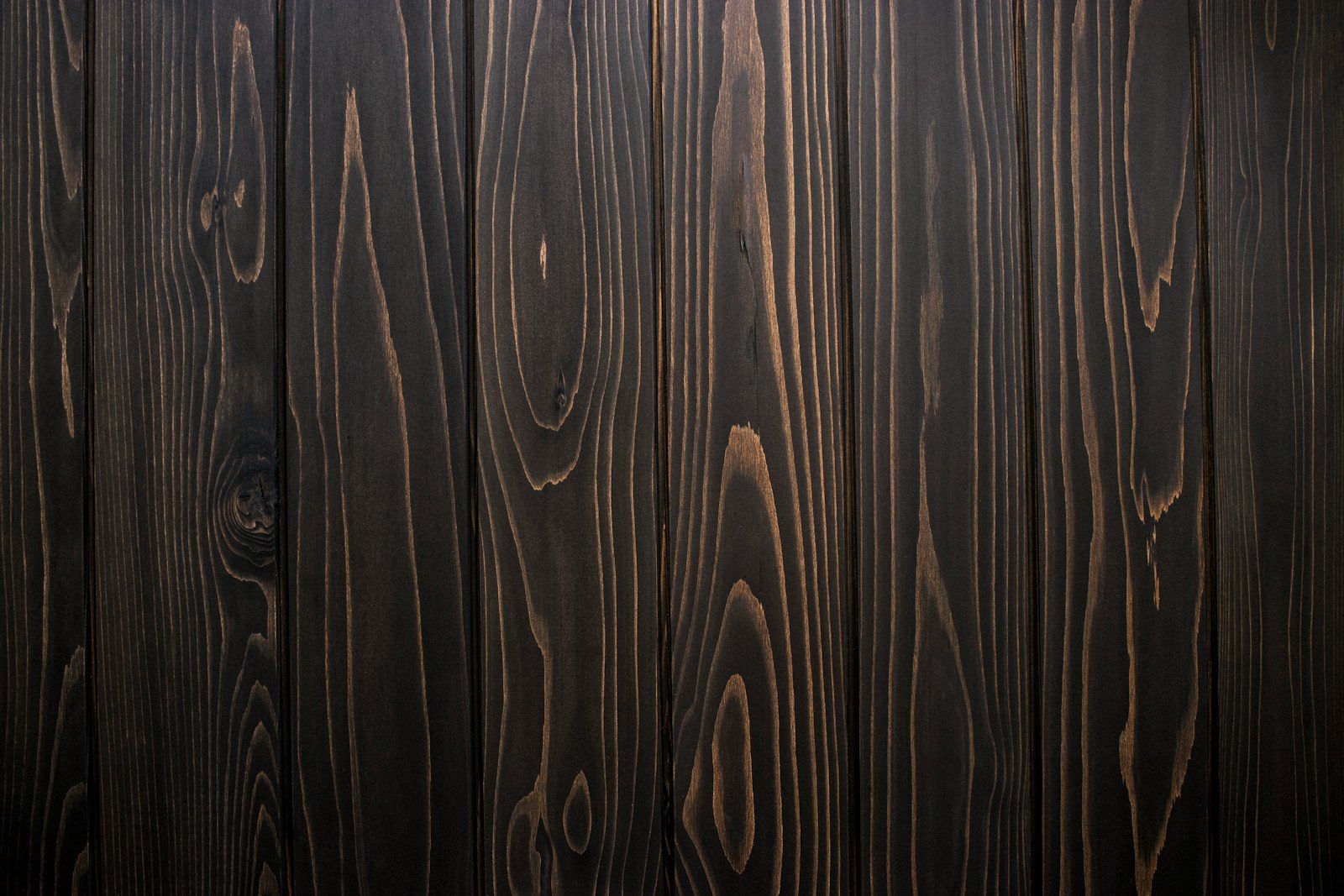
Finally, dark wood paneling is another trend that’s been left behind. While it can add warmth and character to a room, it can also make a space feel dark and dated. Instead, millennials and Gen Z are opting for lighter, more modern alternatives like painted shiplap or white board and batten.