Thrifting is a great way to find unique items and save money, but it can also lead to bringing home things that don’t really serve you. Learning how to shop smart can help you avoid clutter and disappointment.
These thrifting rules will guide you in choosing quality pieces and making the most of your thrift store visits. Following simple habits can make your thrifting experience smoother and more rewarding.
Make a list of needed items before you go thrifting

Before you head out, write down what you actually need. This helps you stay focused and avoid impulse buys.
Knowing exactly what you want saves time and energy while browsing. It also prevents you from bringing home items that clutter your space.
Keep your list realistic and flexible. Sometimes, a good find might not be on the list but still worth considering.
Inspect furniture carefully for bed bugs or damage

When you find a piece of furniture you like, examine it closely before buying. Look for small, dark spots that could be bed bug droppings, especially along seams and joints.
Check all surfaces for cracks, tears, or missing parts. Don’t forget to inspect underneath cushions or inside drawers, where bugs or damage can hide.
Taking this extra time helps you avoid bringing unwanted pests or broken items into your home.
Avoid buying items that require excessive cleaning or repairs
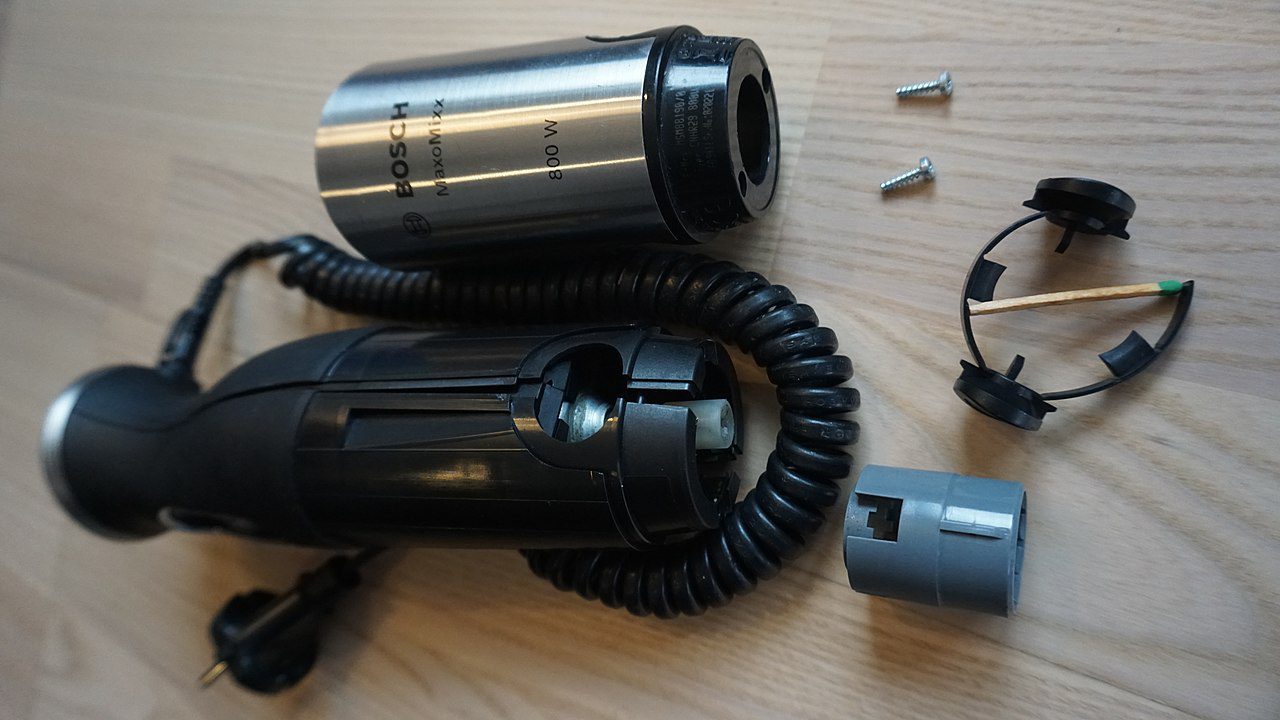
When thrifting, steer clear of items that look like they need a lot of cleaning or fixing. These can end up costing more time and money than you expect.
Check for stains, tears, or broken parts before you buy. If an item requires major repairs, it might not be worth the effort.
Choosing well-kept items saves you hassle and ensures what you bring home is ready to use or enjoy right away.
Check for stains, tears, or odors on clothing

Before you buy, take a close look for stains or tears. Small rips might be fixable, but large or hidden damage can turn into a hassle.
Give the fabric a quick sniff. Musty or strong odors could mean deep cleaning is needed or that the item may carry unwanted smells.
Checking these details saves you from bringing home items that require too much work or that you might not wear at all.
Always ask about return policies before purchasing

You should always check the return policy before buying anything from a thrift store. Some stores don’t accept returns or exchanges, so knowing this upfront can save you hassle later.
If the store allows returns, ask how long you have and what conditions apply. This helps you avoid bringing home items that don’t work or don’t fit your needs.
Being clear about returns gives you confidence in your purchase and can prevent unwanted clutter. Don’t hesitate to ask staff—they’re usually happy to explain the rules.
Look for weekly discounts or special store promotions

You can save money and find better deals by watching for weekly discounts at thrift stores. Many shops have special sale days or rotate color-tag discounts that apply to certain items.
Checking the store’s schedule before you go helps you plan your visit around these offers. This way, you get more value without bringing home unnecessary things. Keep an eye on promotions to make your thrifting smarter and kinder to your budget.
Bring extra cash to avoid payment issues

When you go thrifting, bring extra cash with you. Not all thrift stores accept credit or debit cards, especially smaller or local shops.
Having enough cash helps you avoid awkward payment problems at checkout.
Also, setting a budget and taking only that amount can keep your spending in control. This way, you won’t be tempted to buy items you don’t need.
Avoid buying items just because they’re cheap

When you find something on sale, it can be tempting to buy it just because the price is low. But try to pause and ask yourself if you really need or love the item.
Buying cheap things that don’t add value only leads to clutter. Focus on items that you will use or truly enjoy. This way, your thrifting stays purposeful and your space stays tidy.
Test electronics if possible before buying
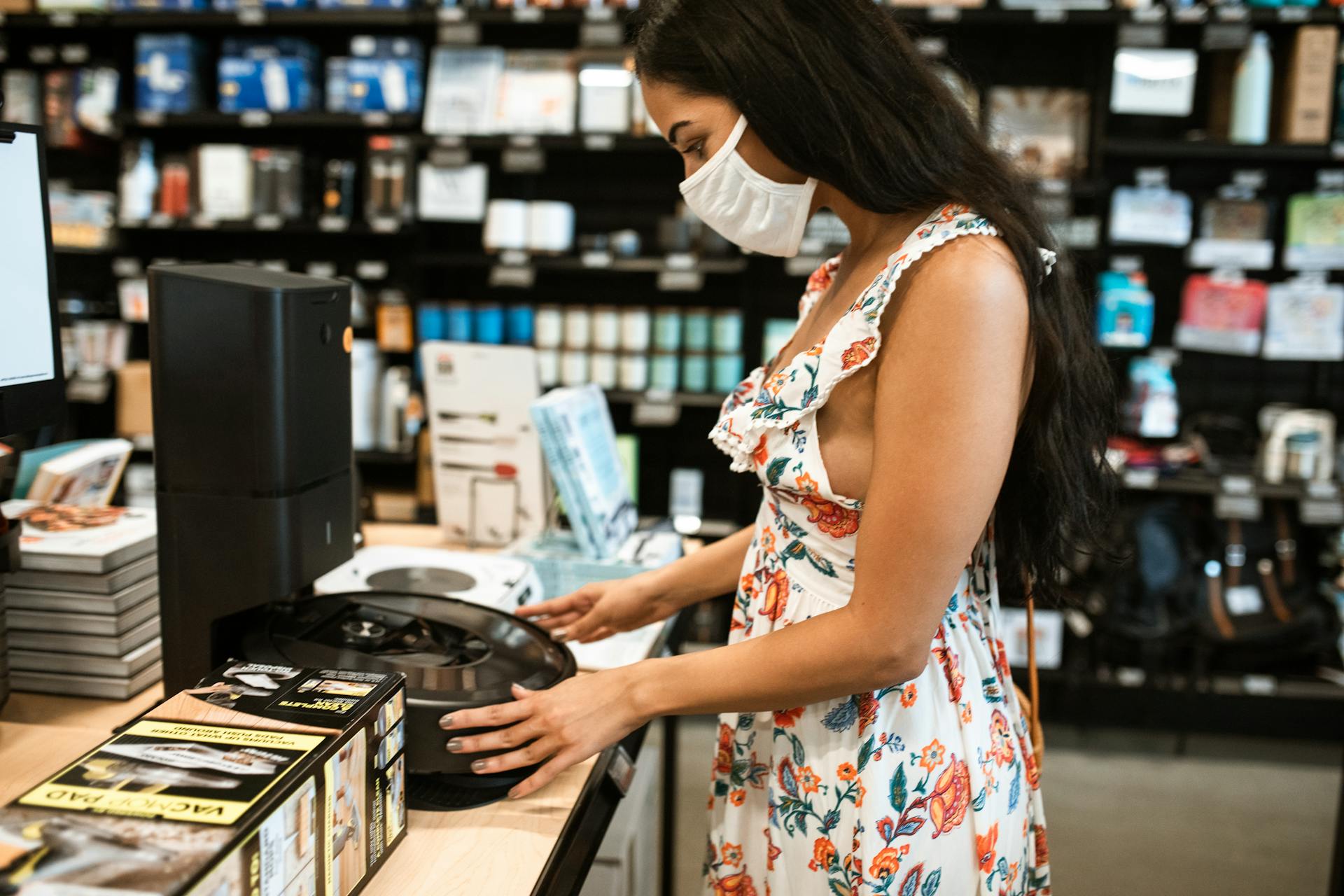
You should always try to test electronic items before buying them. Checking if they turn on and function properly helps avoid surprises later.
Look for included chargers or accessories that are necessary for operation. If testing isn’t possible, inspect the item for damage or missing parts.
Be cautious with older models, as they might have outdated software or hard-to-find replacement parts. Taking a little extra time now can save you from bringing home junk.
Keep your shopping limited to what fits your space

Before you grab an item, think about where it will live in your home. If you don’t have room for it, it’s probably best to leave it behind.
Measuring your available space beforehand helps you avoid impulse buys that end up cluttering your home.
Stick to items that match the size and style of your space. This way, you bring home pieces you’ll actually use and enjoy.
Avoid overcrowding your cart to stay focused

When your cart is packed full, it’s easy to lose track of what you actually need. Keeping your cart manageable helps you stay clear-headed and avoid impulse buys.
Try to limit yourself to a few key items at a time. If something new catches your eye later, you can always swap it out.
This way, your shopping feels less overwhelming and you bring home only what truly fits your goals.
Respect fitting room etiquette and cleanliness

When using the fitting room, check in with staff before entering. This helps them keep track of how many people are inside and what items you bring in.
Keep the space tidy by leaving hangers and clothes neatly. Avoid leaving unwanted items or trash behind for the next shopper.
Be mindful of others waiting. Don’t take up the fitting room longer than necessary to ensure everyone has a fair chance to try things on.
Bring reusable bags to carry your finds

You’ll want sturdy bags to hold everything you pick up. Reusable bags are stronger than plastic, so they help prevent damage to your items.
Bringing your own bags also helps reduce waste, which is a small but positive choice. Plus, it keeps your hands free and makes shopping easier.
If you forget one, some stores sell affordable bags. Having your own ready makes the whole thrifting trip smoother.