


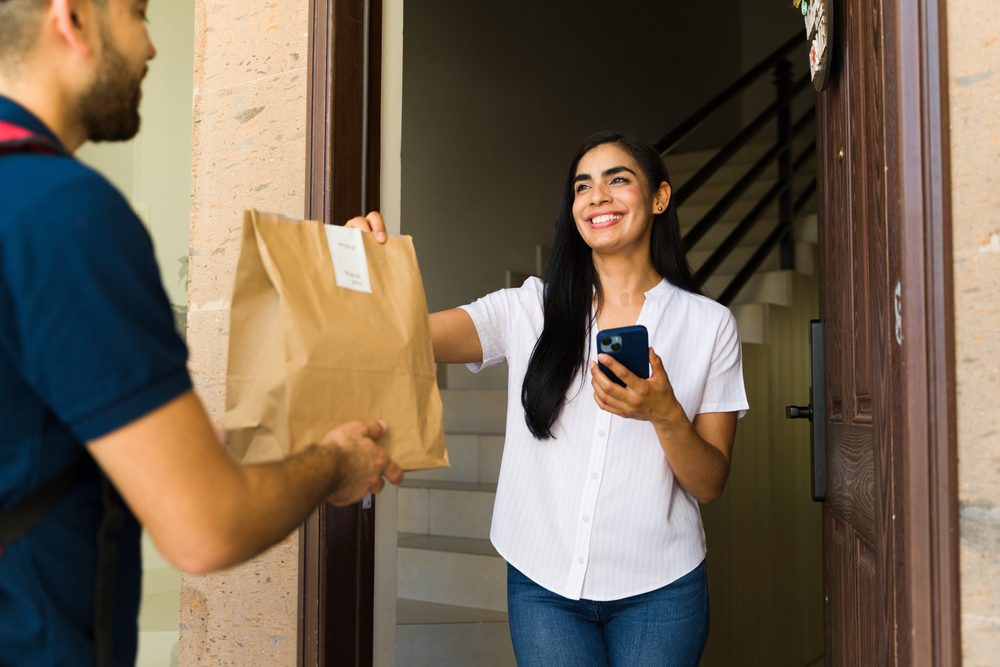
As a savvy shopper, you’ve probably realized that grocery shopping isn’t as straightforward as it seems. The store layout, product placement, and even the ambiance are all carefully designed to make you spend more.
This doesn’t mean we’re helpless against these tactics. By being aware of these tricks, you can make smarter shopping decisions and keep your grocery bill under control.
So let’s dive in and uncover these 14 cunning strategies that grocery stores use to trick us into overspending.
1. The Strategic Placement of Essential Items
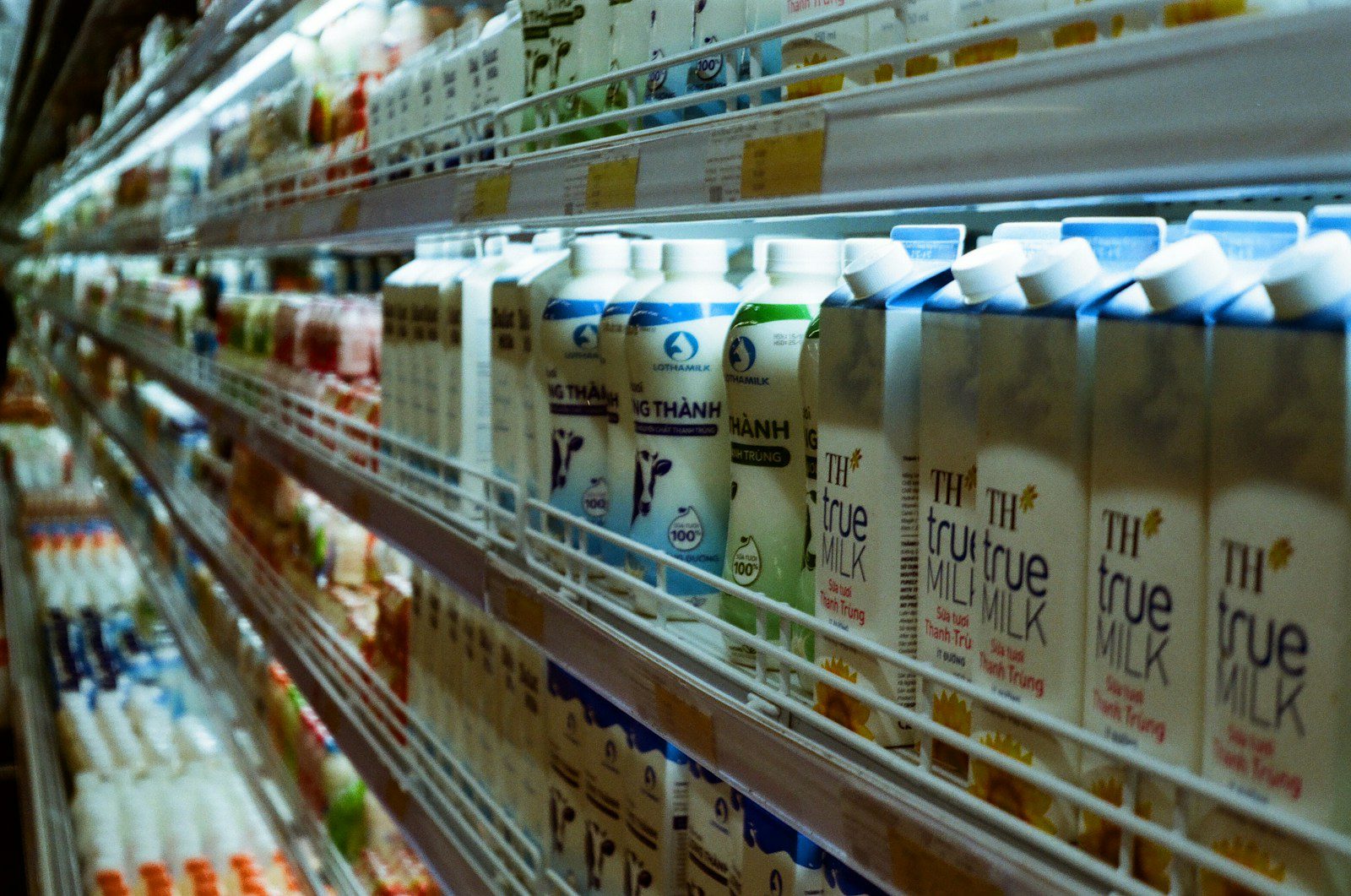
Have you ever wondered why you have to pass through several aisles to reach staple goods like milk and eggs? It’s no accident. Stores often place these essential items at the back so you have to walk past a variety of tempting products.
As you make your way through the store, you’re more likely to pick up items that weren’t on your list. This strategy, also known as the ‘Boomerang Effect’, can turn a quick trip for milk into a full-blown shopping spree!
2. The Use of Prominent Signage
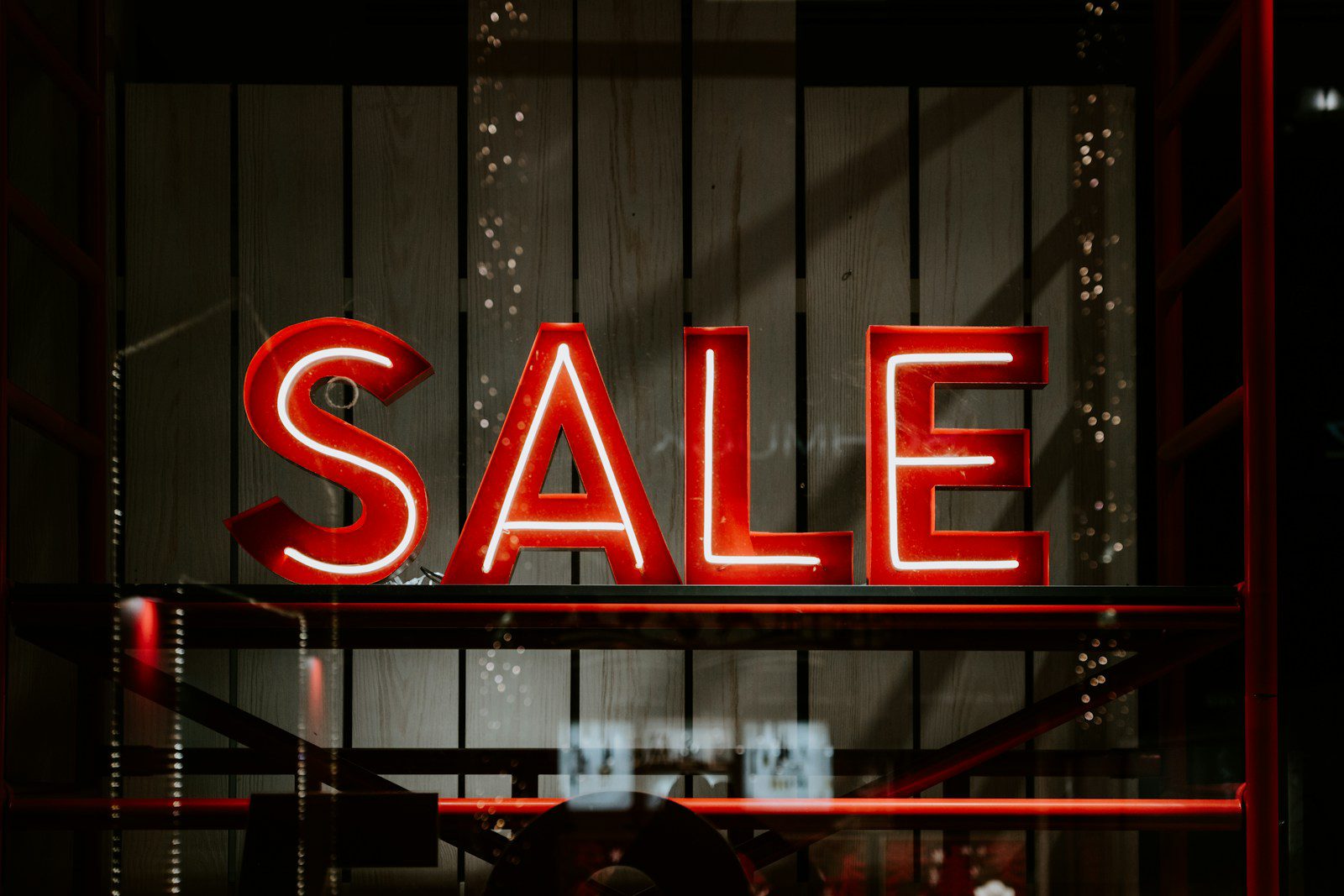
Signs shouting “Sale!” or “Limited Time Offer!” are designed to draw your attention. While they indicate a deal, they do not always mean you are saving money.
Some signs use a psychological trick called ‘anchoring,’ where a higher “original” price is listed next to the “sale” price to make the discount seem more significant. Always check the unit price to see if it’s a real deal or just clever marketing.
3. The Power of Eye-Level Products
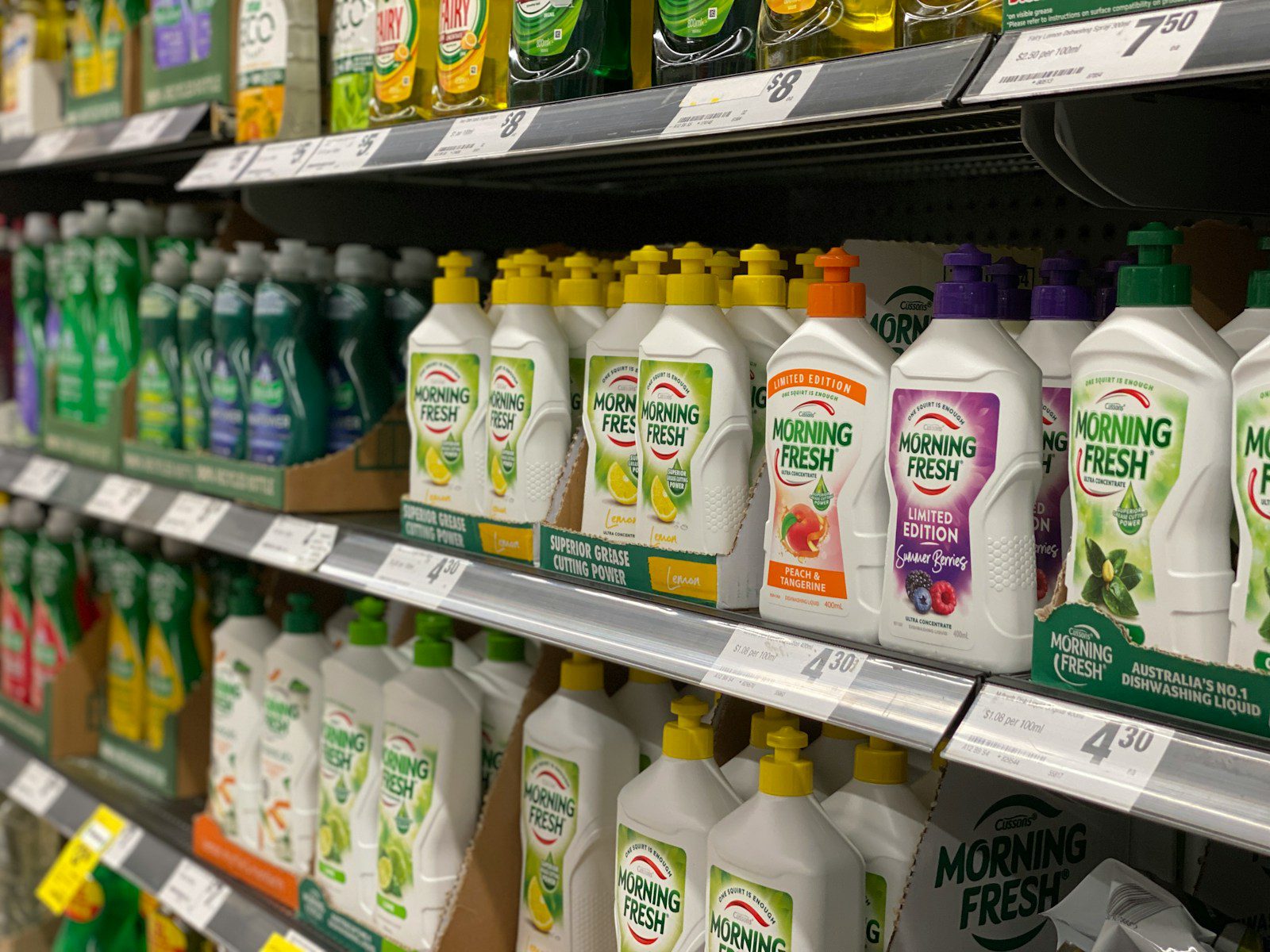
Ever noticed that the priciest items are always at eye level? It’s because stores know that we’re more likely to purchase products we can easily see and reach.
Cheaper alternatives are usually placed on higher or lower shelves. So, next time you’re shopping, make sure to look up and down the shelves to find the best deals.
4. The Temptation of End-of-Aisle Displays
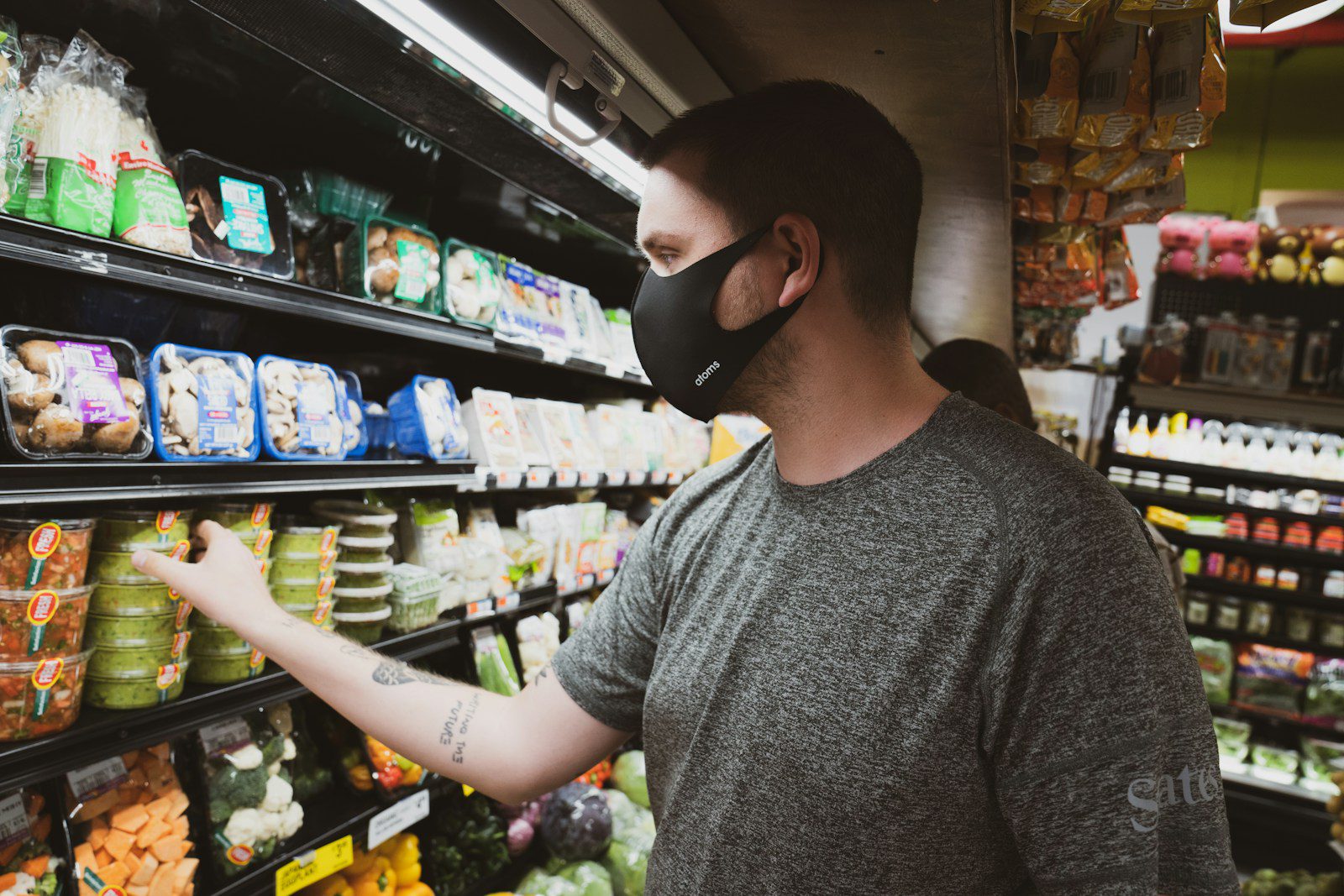
Products displayed at the end of aisles, also known as endcaps, are not always on sale. Stores put them there because they’re highly visible and we’re more likely to add them to our carts. So, don’t let the prime location fool you into thinking you’re getting a deal.
5. The Illusion of Bulk Buying Deals

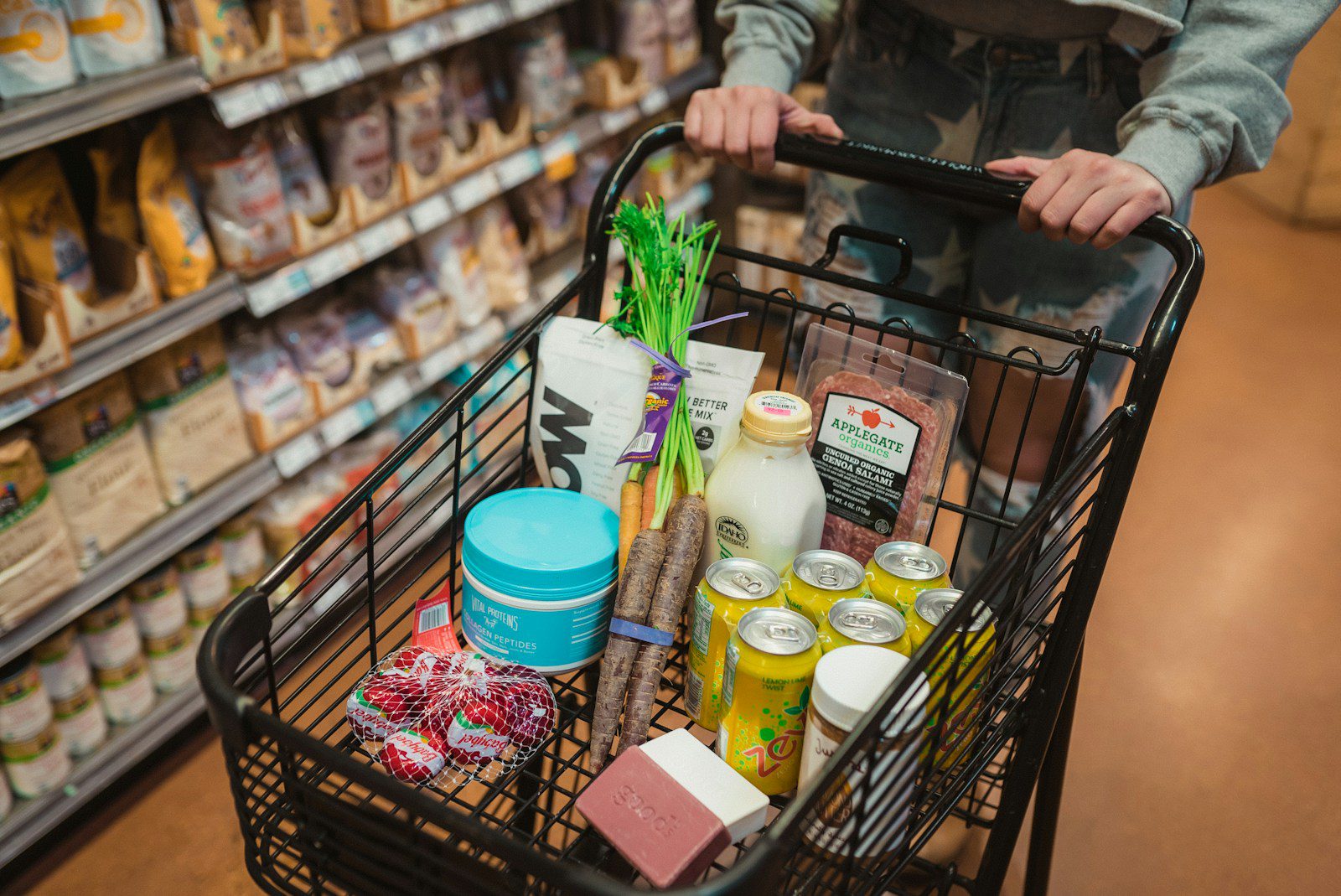
While buying in bulk can sometimes save money, it’s not always the case. Sometimes, the ‘bulk’ price is the same as, if not higher than, the unit price of a single item. So, compare prices carefully before going for that ‘Buy 1 Get 1 Free’ deal.
6. The Lure of Reward Programs and Loyalty Cards


Reward programs can save you money, but they can also encourage overspending. They often offer points or discounts on certain products, tempting you to buy items you don’t need. It’s important to stick to your shopping list and not get swayed by these offers.
7. The Manipulation of Scent and Atmosphere

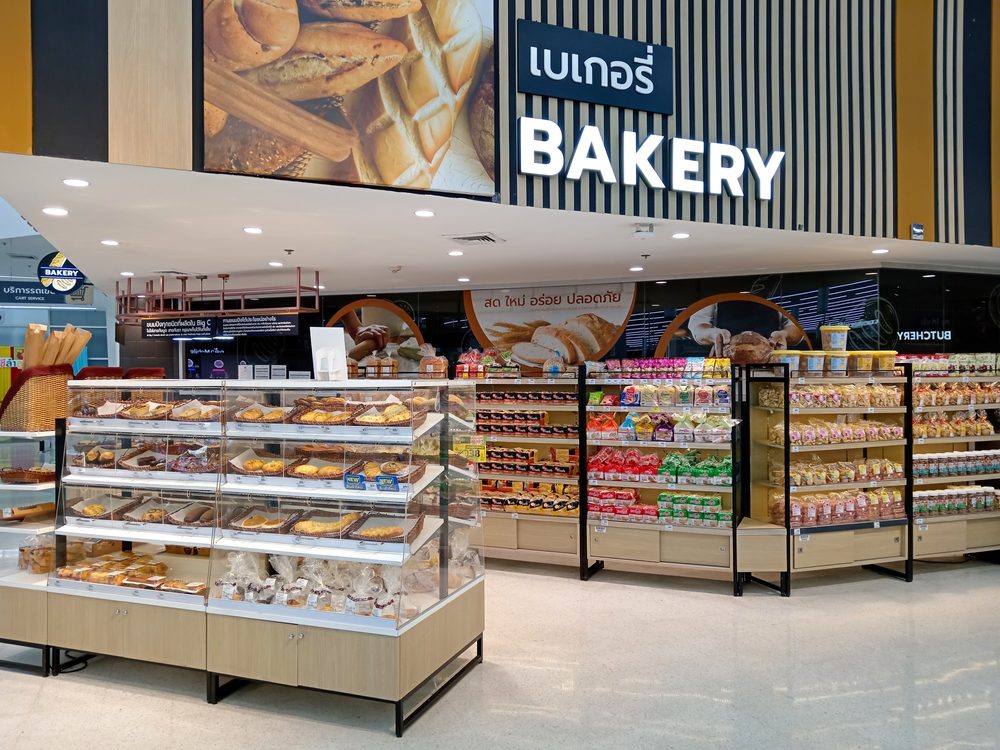
Ever noticed the smell of freshly baked bread or rotisserie chicken in grocery stores? These scents are designed to make you hungry and encourage impulse buys. Stores also use lighting and music to create a pleasant shopping atmosphere that encourages you to spend more time and money. Don’t let these sensory tricks influence your shopping decisions.
8. The Deception of Packaging and Branding

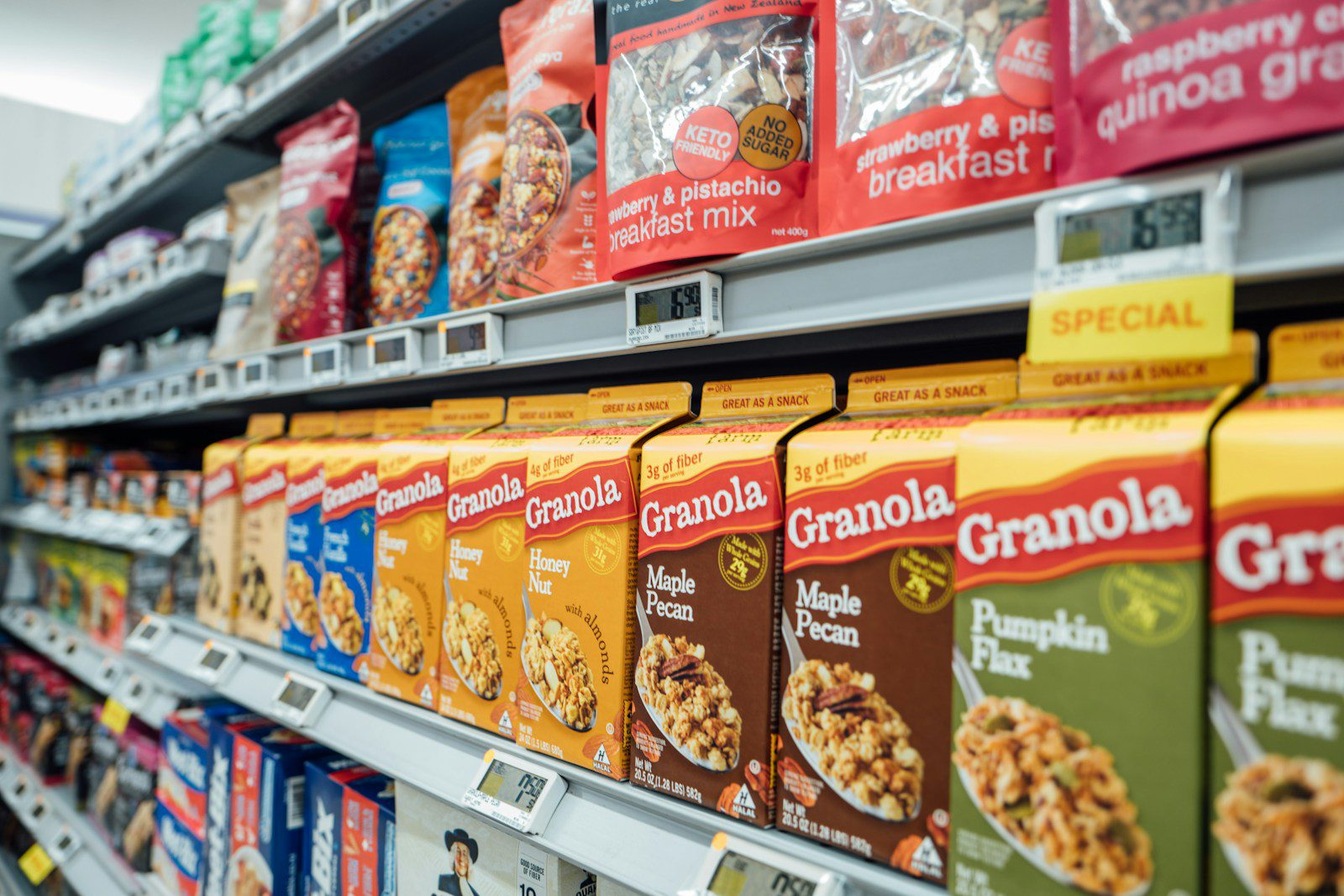
Packaging plays a huge role in our purchasing decisions. Bright colors, catchy phrases, and appealing images can draw us to products. Remember, good packaging doesn’t always mean good quality. It’s important to read labels and check the ingredients before making a purchase.
9. The Trick of High-Priced Impulse Buys at Checkout
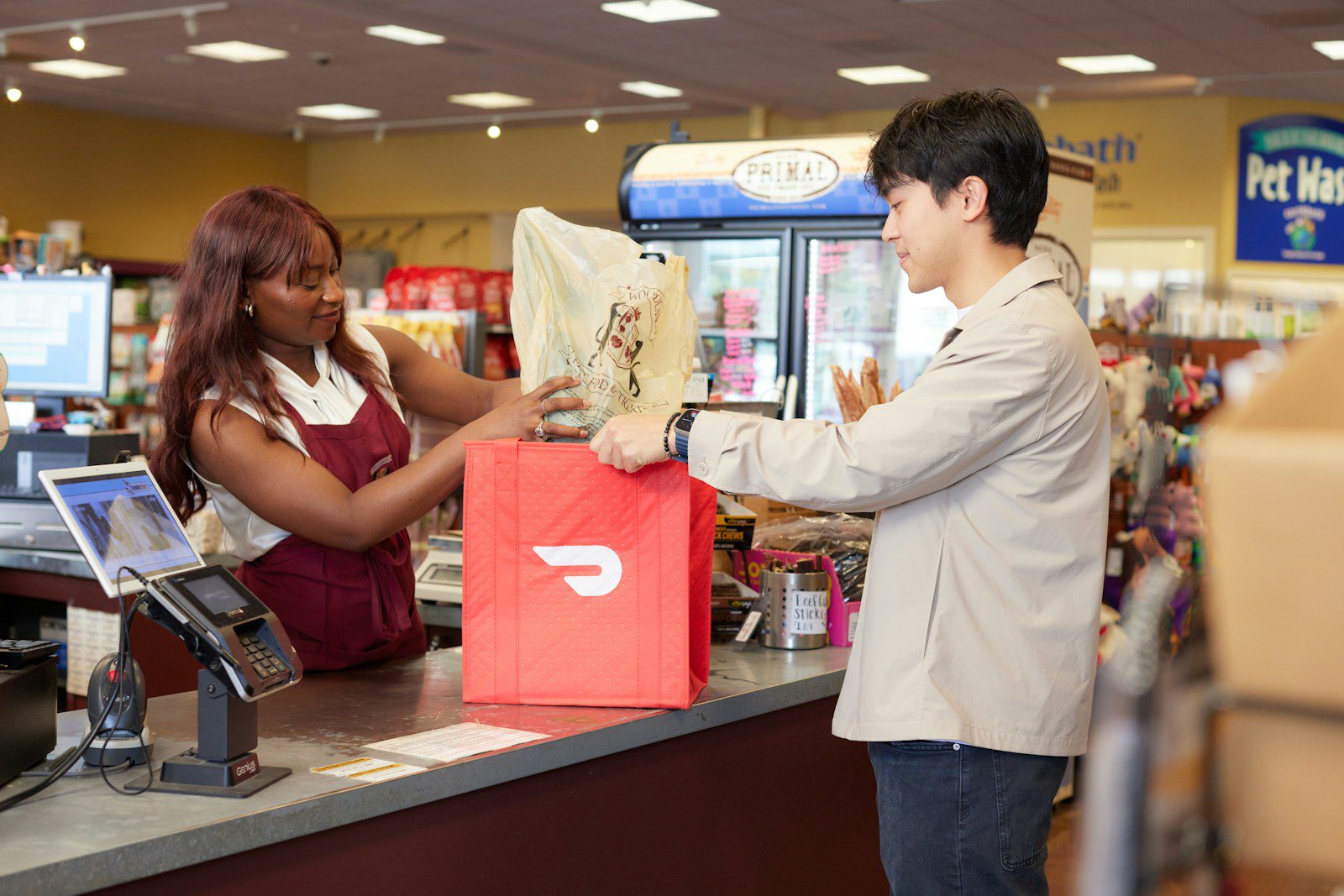
Those small, often unnecessary items near the checkout counter are there for a reason. As we wait in line, we’re more likely to grab a candy bar, a magazine, or a small toy for the kids.
These impulse buys can significantly increase our total bill. To avoid this trap, stick to your list and resist the temptation of last-minute purchases.
10. The Exploitation of Holiday Themes and Limited Edition Products

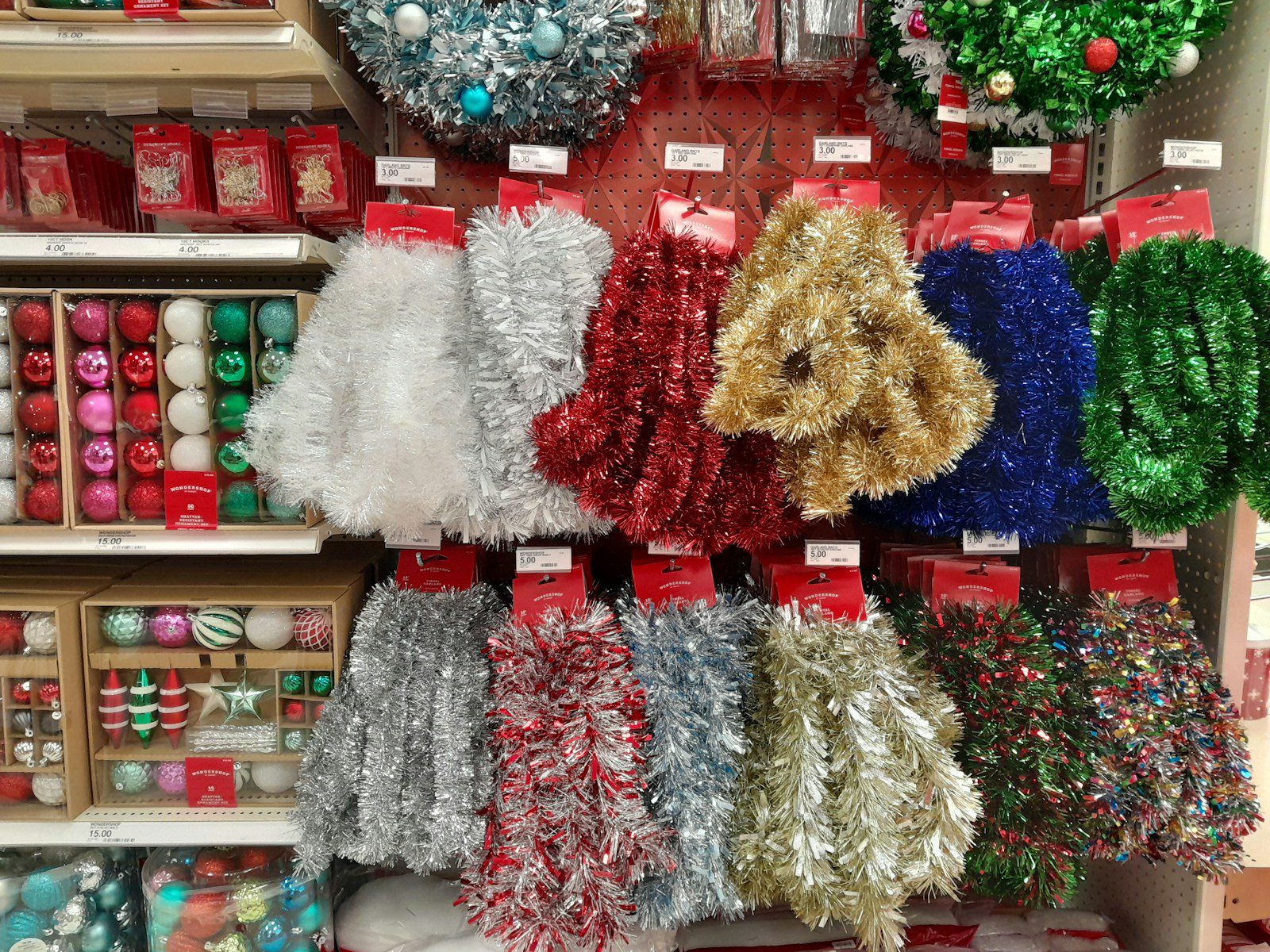
Stores take advantage of holidays and seasons by offering themed or limited-edition products. These items create a sense of urgency and can tempt us into making unnecessary purchases. Remember, these products often come with a higher price tag and can quickly inflate your grocery bill.
11. The Trap of Sample Tasting Stations

Who doesn’t love a free sample? But these tasting stations aren’t just about generosity. They’re a marketing tactic designed to get you to buy a product you wouldn’t have considered otherwise. Enjoy the sample, but don’t feel obliged to buy the product.
12. The Misleading Sale and Discount Signs

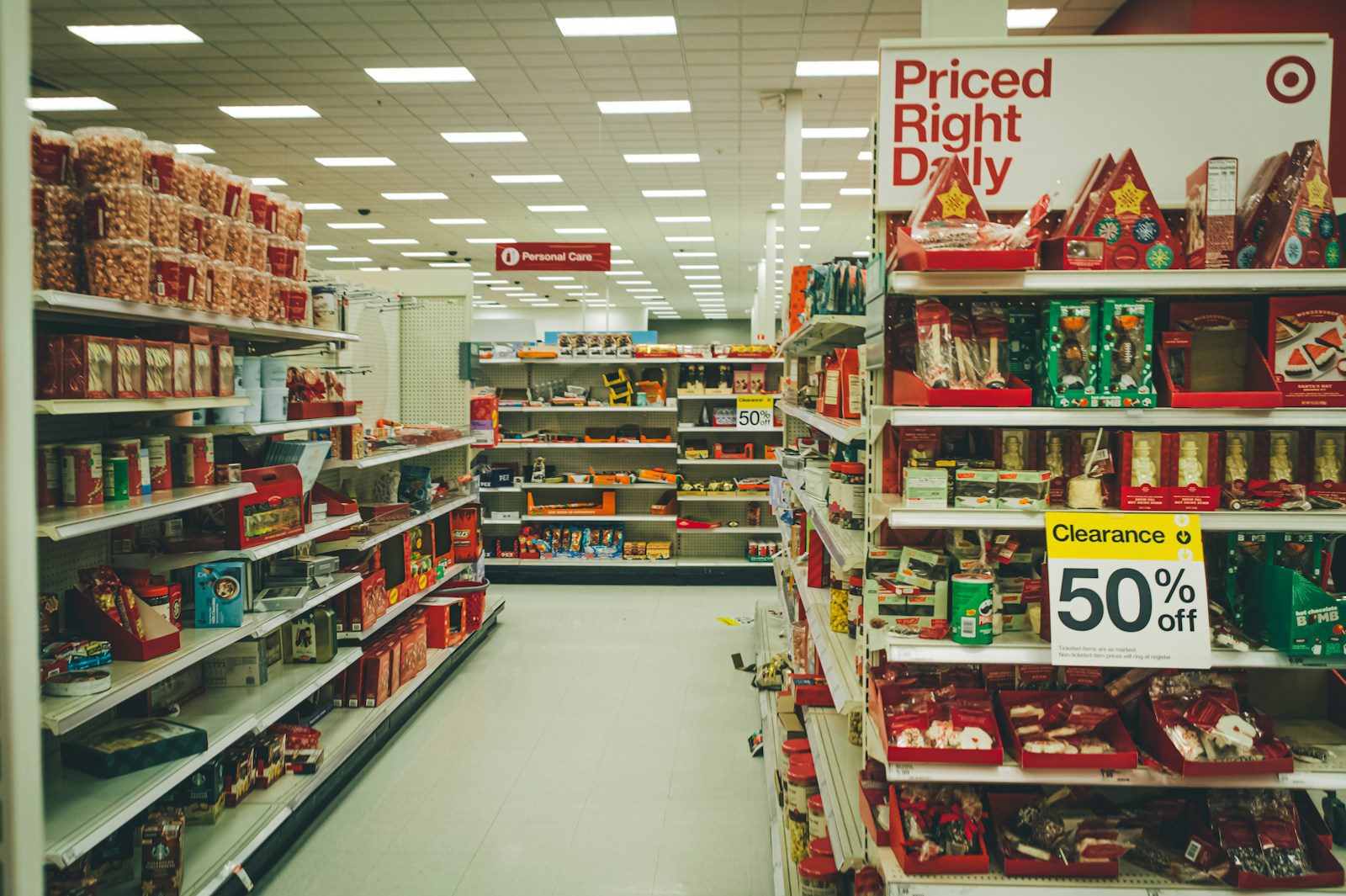
While sale signs can indicate a good deal, they can also be misleading. Some stores inflate the ‘original’ price to make the sale look better. To avoid this trap, focus on the actual price and not the discount percentage. A study published in the Journal of Marketing found that shoppers who do this save more money.
13. The Draw of In-Store Bakeries and Delis

In-store bakeries and delis can provide convenient meal solutions, but they can also lead to overspending. The smell of fresh bread or cooked food can make us hungry and lead us to buy more. If you’re on a budget, consider skipping these sections and stick to your shopping list.
14. The Distraction of In-Store Music and Lighting
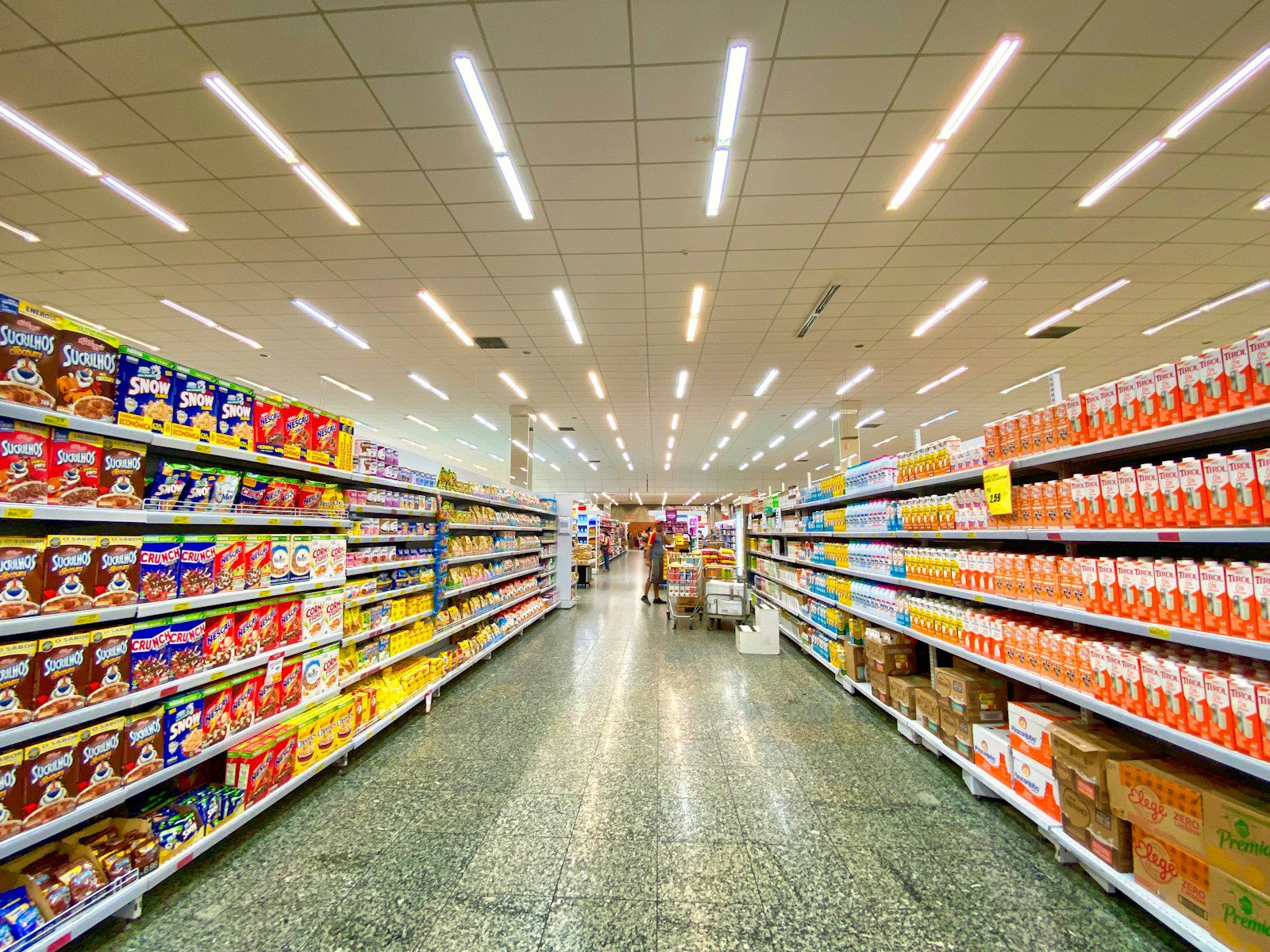
Ever noticed how grocery stores often have soft, calming music and warm, inviting lighting? These are not just for your enjoyment. They’re designed to make you feel relaxed and spend more time in the store. And the longer you stay, the more you’re likely to spend. So, next time you’re in a grocery store, pay attention to these subtle cues and don’t let them influence your spending.
In conclusion, being aware of these tactics can help you make smarter choices and save money on your grocery bills. So, the next time you go shopping, remember these tricks and don’t let them lure you into overspending. Happy shopping!
Before you go — if this inspired you, check out these readers-loved favorites: