Decluttering can feel like a huge task, especially when your space is full and your mind is overwhelmed. You might not know where to begin or worry about how much time it will take. It’s common to feel stuck before you even start.
The key is to find simple, manageable ways to get going without adding more stress. These easy steps are designed to help you take control at your own pace, making the process feel doable and less intimidating.
Start with a small, manageable area like a single drawer or shelf

Begin with a small space that feels doable, like one drawer or a single shelf. This helps keep the task simple and less overwhelming.
Focusing on a small area lets you see progress quickly, which can motivate you to keep going.
Set a short timer for 15-20 minutes and just concentrate on that one spot. You don’t have to solve everything at once.
Set a timer for 10-15 minutes for focused decluttering sessions

You don’t need to clear your whole space at once. Setting a timer for 10-15 minutes helps you stay focused and makes the task feel manageable.
Once the timer starts, concentrate on one small area without distractions. When time’s up, you can stop or choose to keep going if you feel motivated.
This simple trick can turn decluttering into a daily habit without taking over your day. It’s easier to commit to short bursts than long, overwhelming sessions.
Use the ‘Four-Box Method’: keep, donate, toss, relocate

Start by gathering four boxes labeled Keep, Donate, Toss, and Relocate. As you go through your items, decide which box each belongs in.
Keep only what you really need or love. Donate things in good condition that you no longer want. Toss broken or unusable items. Relocate things that belong in another room or space. This simple system helps you make quick decisions and clear out clutter step by step.
Create a daily declutter challenge for 5-10 minutes each day

Start small by setting aside just 5 to 10 minutes daily to declutter. This short time frame helps keep the task manageable and less overwhelming.
Pick a specific area to focus on each day, like a drawer or a shelf. When your timer goes off, stop and celebrate what you accomplished.
Making decluttering part of your routine helps you build momentum without feeling stressed. Consistency matters more than long sessions.
Sort items by category instead of room to simplify decisions

When you sort by category, like clothes or books, it helps you see everything you have in one place. This makes it easier to decide what to keep or let go of.
You won’t feel overwhelmed by tackling an entire room at once. Instead, focus on one type of item to stay organized and motivated.
Laying out all items from one category helps you quickly spot duplicates or things you no longer use. This method saves time and clears clutter efficiently.
Take before-and-after photos to track your progress

Taking before-and-after photos is a simple way to see how much you’ve cleared. When you feel overwhelmed, these pictures can remind you of the progress you’ve made.
Use a plain background and good lighting to capture clear photos. Try to stand in the same spot each time so the changes are easy to spot.
You can even set a timer or ask someone to help take your photos. Over time, these images will motivate you to keep going.
Keep a donation box handy to instantly discard unwanted items

Place a donation box in an easy-to-reach spot near an exit or in a common area. This makes it simple to drop in items you no longer need without extra effort.
When you spot something you want to let go of, just put it straight in the box. This small habit speeds up decluttering and keeps things moving out the door.
Having a dedicated box reminds you to stay consistent, so clutter doesn’t build back up over time.
Use vacuum storage bags to pack seasonal clothes and save space
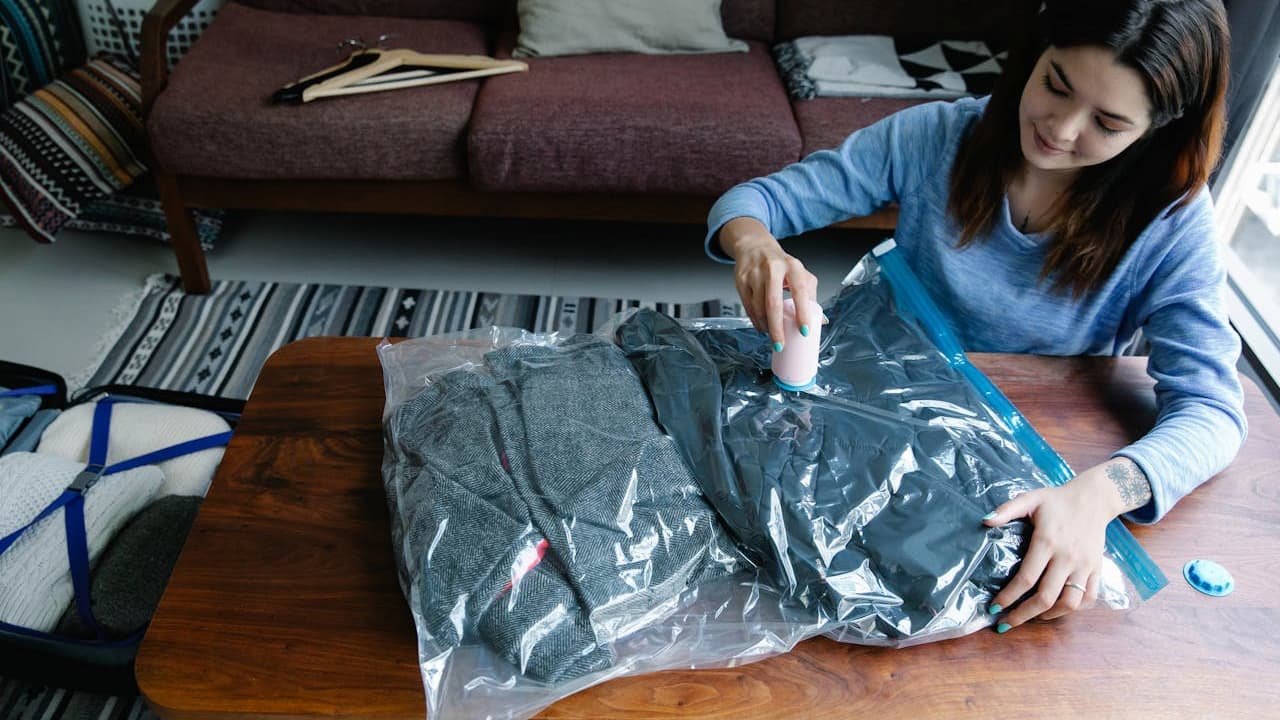
You can pack seasonal clothes into vacuum storage bags to save a lot of space. Simply fold your clothes, place them inside the bag, and use a vacuum to remove the air.
This reduces bulky items and keeps your clothes protected from dust and moisture. Store the bags in a closet or under the bed to free up room for everyday items.
Play your favorite upbeat music to make decluttering fun

Put on songs that lift your mood and keep your energy up. Upbeat music helps you stay motivated while you sort through things.
When you listen to music you like, it can make the process feel less like a chore. You might find yourself moving faster and enjoying the time more.
Try creating a playlist of positive, lively tracks that keep you moving. This simple step can make a big difference in how you feel about decluttering.
Set realistic goals like 3 small projects per week

Start by choosing just three small decluttering projects each week. This keeps your goals manageable and helps you avoid feeling overwhelmed.
Each project can focus on a specific area, like a drawer, a shelf, or a corner of a room.
By breaking clutter into bite-sized tasks, you’ll make steady progress without burning out. Remember, small steps add up!
Declutter one spot before starting a new area to avoid overwhelm

Start with just one small spot, like a drawer or a corner of a table. Focusing on a limited space helps you avoid feeling overwhelmed.
Once that area is sorted, you’ll see clear progress. This can motivate you to move to the next spot without stress.
By tackling one spot at a time, you keep the task manageable and create a sense of order step by step.
Use labeled bins or containers to organize during sorting

Using labeled bins helps you keep things clear and tidy as you sort. You can quickly identify where items belong, making decisions easier.
Pick containers that suit your space and needs. Labels can be simple with a marker or made with a label maker for a cleaner look.
This method also speeds up cleanup. When everything has a spot, putting things away feels less overwhelming.
Enlist a friend or family member for motivation and accountability

You don’t have to tackle decluttering alone. Inviting a friend or family member can make the process less overwhelming.
Having someone by your side provides motivation and helps keep you on track. They can offer encouragement and celebrate small wins with you.
An accountability partner can check in on your progress, making it harder to procrastinate. Plus, decluttering together can even turn into a fun shared activity.
Try a themed decluttering day like ‘Books Only’ or ‘Kitchen Gadgets’

Pick one type of item and focus only on that for the day. You might choose books, kitchen gadgets, or even clothes. This helps keep the task simple and less overwhelming.
By limiting your scope, you can see progress quickly. It also makes decisions easier because you’re in the mindset to sort just one category.
Make a pile for things to keep, donate, or toss. When you finish, you’ll feel accomplished and ready to tackle another category.
Reward yourself with a small treat after each session

After each decluttering session, give yourself a little reward. It can be something simple like a short walk or a few minutes of relaxation.
These small treats help keep you motivated without feeling overwhelmed. They make the process more enjoyable and give you something to look forward to.
You don’t need to spend money; even stretching your legs or listening to your favorite song counts. Celebrate your progress in a way that feels right for you.