You might think some skills have disappeared, but many are coming back in surprising ways. As modern life changes, people are rediscovering the value of older, practical abilities that once seemed outdated.
These skills are making a comeback because they offer usefulness, creativity, and a way to connect with traditions in a fast-paced world. Whether for self-reliance or fun, you might find yourself interested in learning some of these revived talents.
Reading Paper Maps

You might think paper maps are outdated, but they are making a quiet comeback. When your phone battery dies or signal disappears, a paper map can save you from being lost.
Learning to read one helps you understand directions and landmarks better. It also makes you less dependent on technology, which is a useful skill for outdoor trips or emergencies.
Cursive Penmanship
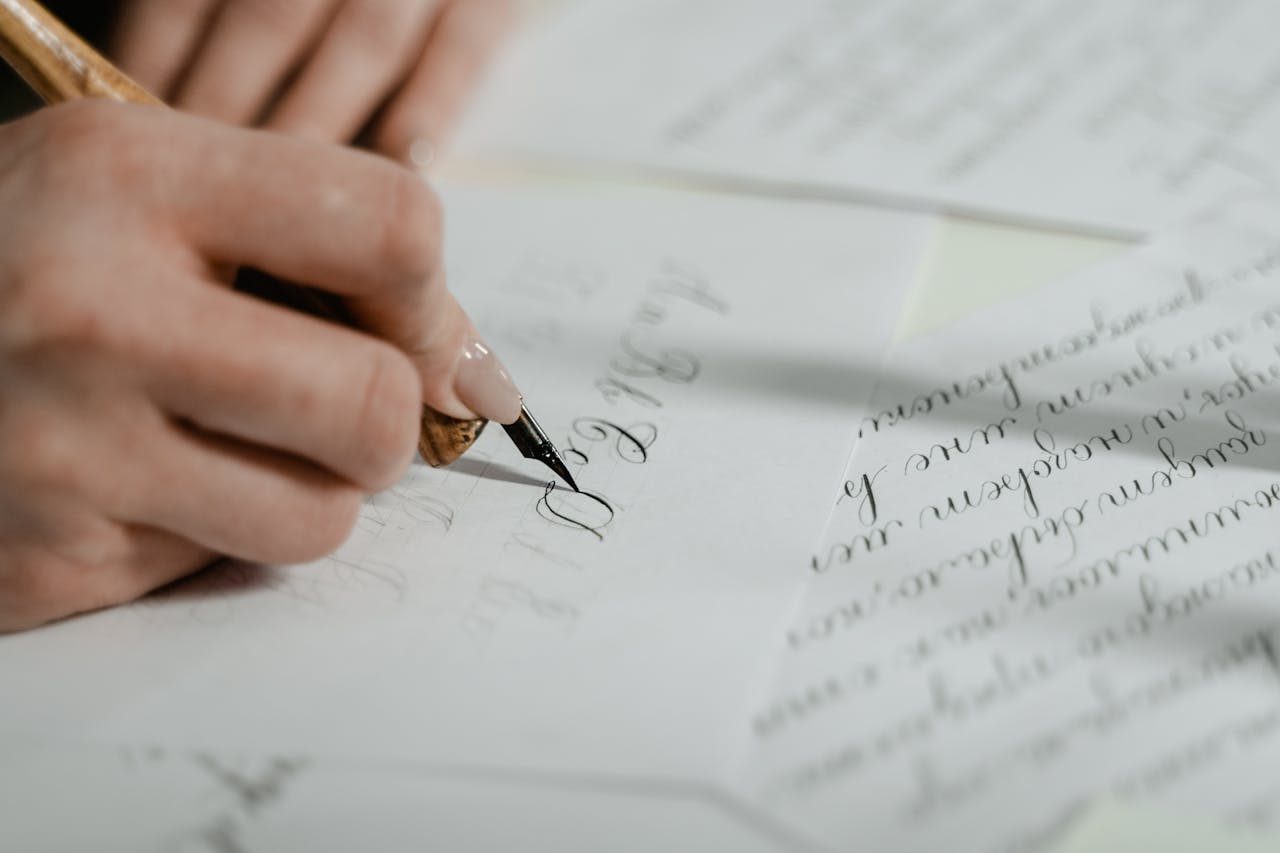
You might think cursive is outdated, but it’s coming back in schools. Many states now require students to learn it again because it helps with memory and fine motor skills.
When you write in cursive, your brain works differently, which can improve learning. Plus, it’s a useful skill for signatures and personal notes. If you haven’t practiced cursive in a while, you might find it both challenging and rewarding to pick it up again.
Letter Writing

You might think letter writing is a lost art, but it’s gaining popularity again. Writing letters lets you slow down and connect in a personal way that texts can’t match. Kids and adults alike are exploring it as a creative and thoughtful way to communicate.
It helps you practice patience and reflection while enjoying something tactile. Plus, receiving a handwritten letter feels special and meaningful.
Writing Checks and Balancing a Checkbook

You might think writing checks is a lost cause, but many people are finding value in it again. It helps you keep a clear record of your spending and prevents mistakes.
Balancing your checkbook teaches you to track your finances closely. It’s a simple way to see where your money goes without relying on apps.
Even with digital tools, knowing this skill gives you extra control and confidence over your budget. It’s a practical habit making a quiet comeback.
Telephone Etiquette

You might think phone skills are outdated, but good telephone etiquette is coming back. Speaking clearly and at a steady pace helps people understand you better.
Always answer with a friendly greeting and be ready to talk when you pick up. Avoid letting the phone ring too long before answering. These simple habits make your conversations smoother and more professional.
Proper Grammar Skills

You might think grammar rules are less important today, but using proper grammar helps you communicate clearly. It shows professionalism and can prevent misunderstandings.
With texting and social media, informal writing has become common. Still, knowing the basics of grammar makes your writing stand out.
Brushing up on grammar also improves your reading and writing skills overall. This skill is gaining attention again, especially in education and the workplace.
Knife Sharpening
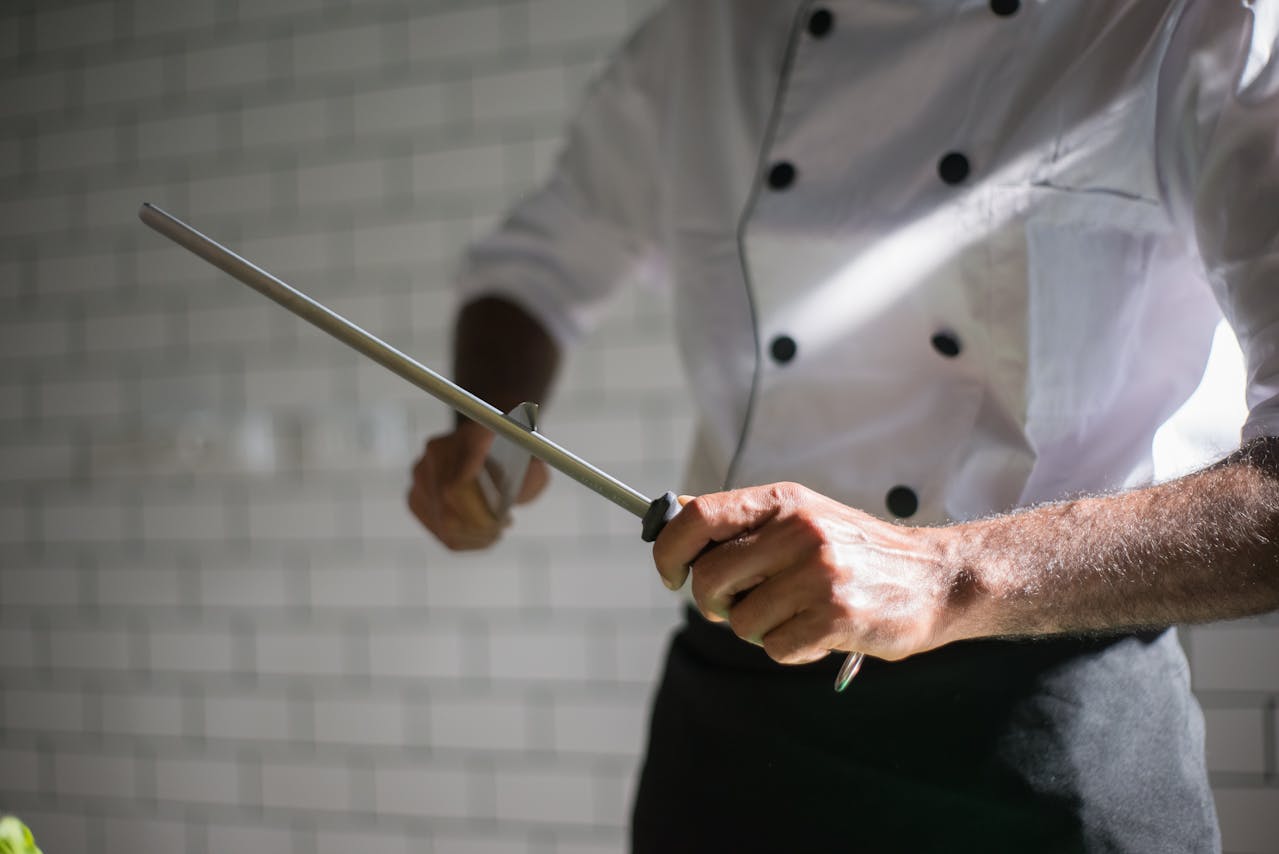
You might think knife sharpening is old-fashioned, but it’s actually a useful skill that can save you money and improve your cooking. Using stones to sharpen knives is still considered a reliable method and can give you better control over the edge.
Learning to maintain your knives means they stay sharper longer, making cutting tasks easier and safer. With the right angle—like 15 degrees—you can achieve a very sharp edge perfect for precise work. Practicing this skill helps you take better care of your tools.
Sewing by Hand
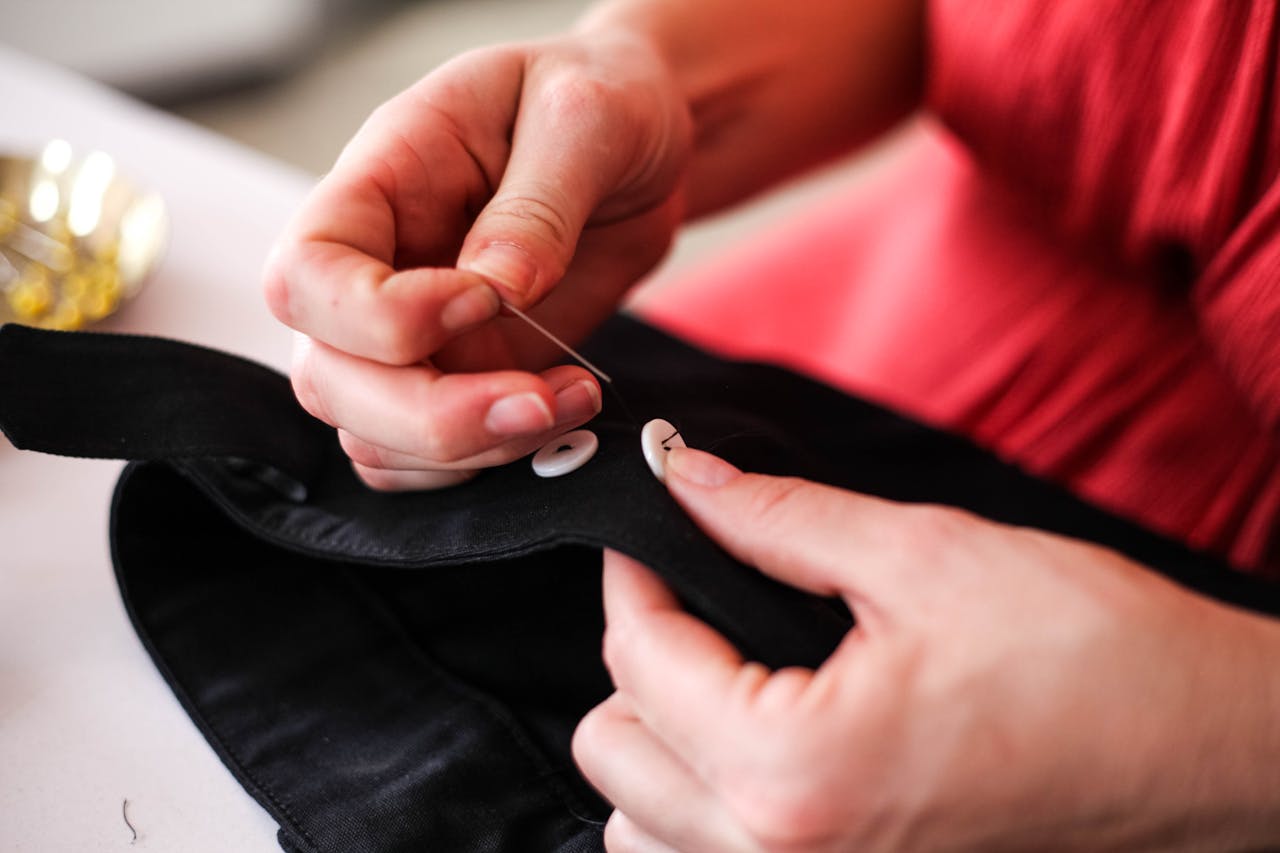
You might think sewing by hand is outdated, but it’s actually gaining popularity again. It gives you control to fix or personalize clothes without a machine.
Sewing by hand also helps improve your hand-eye coordination, making it a useful skill beyond just stitching fabric. Plus, it can be a relaxing activity that lets you focus and create.
If you want to be more self-sufficient or reduce waste, hand sewing lets you mend items instead of replacing them. It’s a small skill that can make a big difference.
Embroidery

Embroidery is coming back as a popular skill you can easily pick up. It’s great for adding a personal touch to clothes or linens.
You can use embroidery to upcycle old items, making them unique again. Many find it relaxing and creative, a nice break from screens.
In 2025, bold typography and statement designs are trendy in embroidered pieces. Give it a try—you might discover a new favorite hobby.
Driving a Stick Shift

You might think driving a manual car is a lost skill. However, it’s making a small but steady comeback.
Learning to drive stick can make you a more confident driver. It also gives you better control on the road.
While most cars today are automatic, some drivers enjoy the challenge and feel of shifting gears themselves. You might find it fun to try it out.
Foraging for Wild Foods
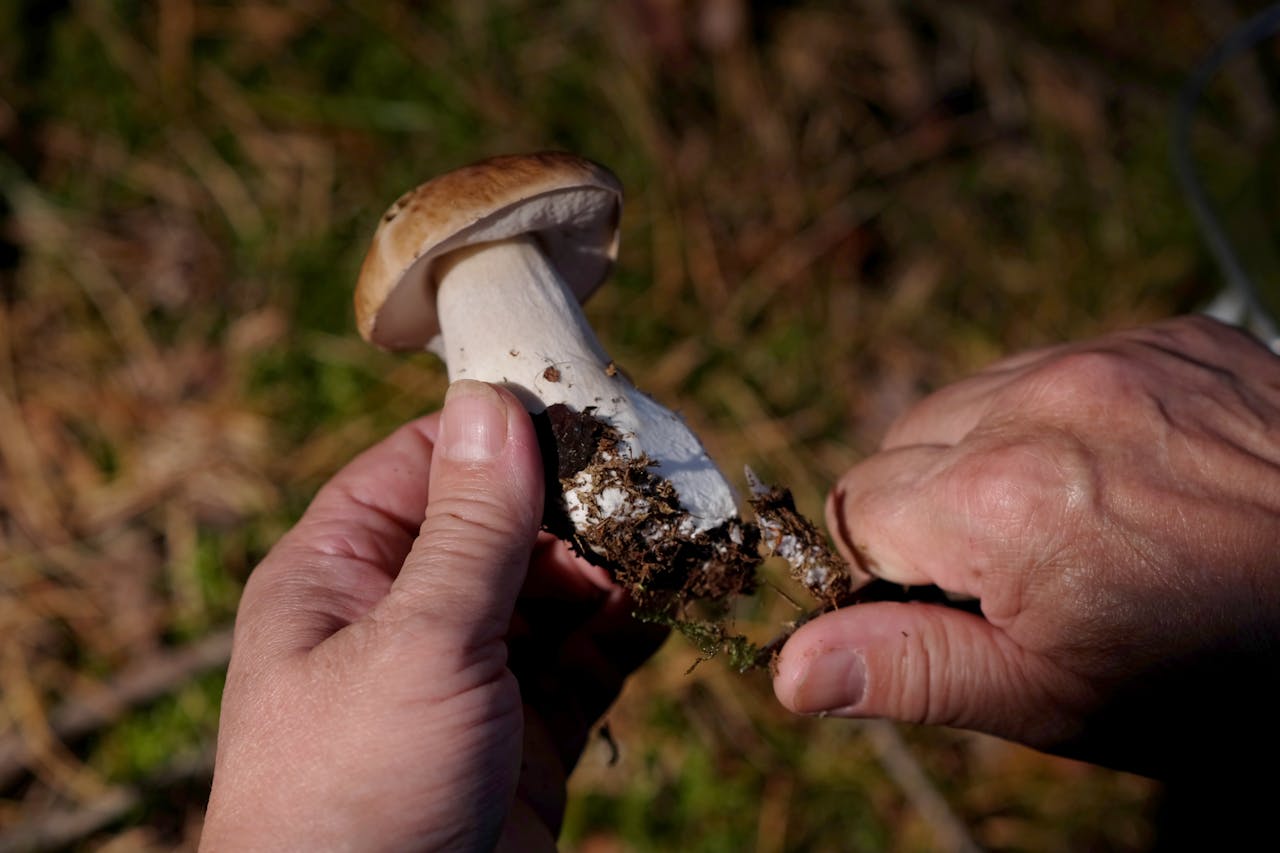
Foraging lets you find edible plants right in nature. You only need basic knowledge and sometimes simple tools to gather wild food safely.
Start with a good guidebook that shows clear photos and explains which plants are safe. Knowing which are poisonous is important for staying safe.
Foraging connects you with the environment and can be a fun way to explore while finding fresh, natural ingredients.
Beekeeping
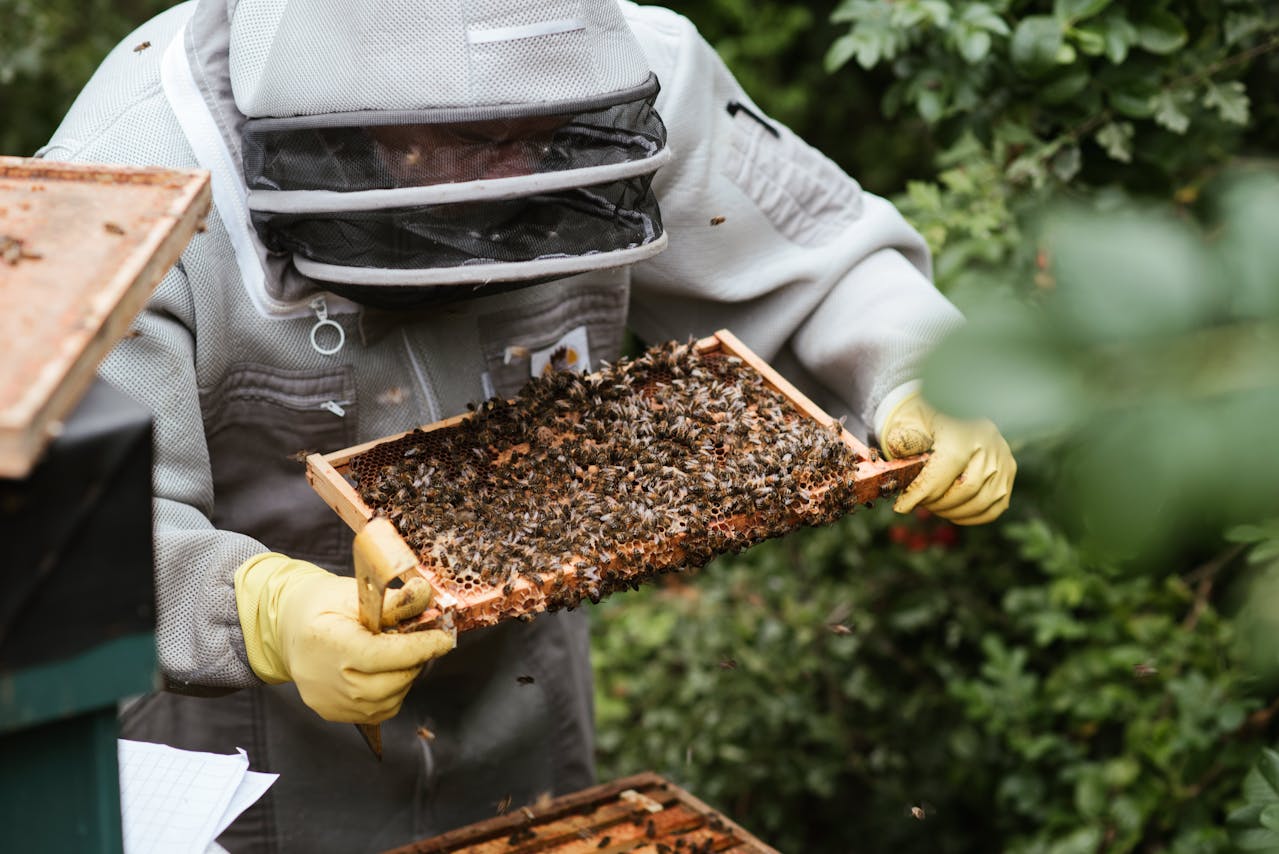
Beekeeping is coming back as more people want to connect with nature and support pollinators. You can start small by joining a local beekeeping group to learn from experienced keepers.
Managing bees requires regular care, like checking for pests and helping them survive winter. It’s a skill that teaches patience and responsibility while providing you with natural honey.
Pickling and Preserving
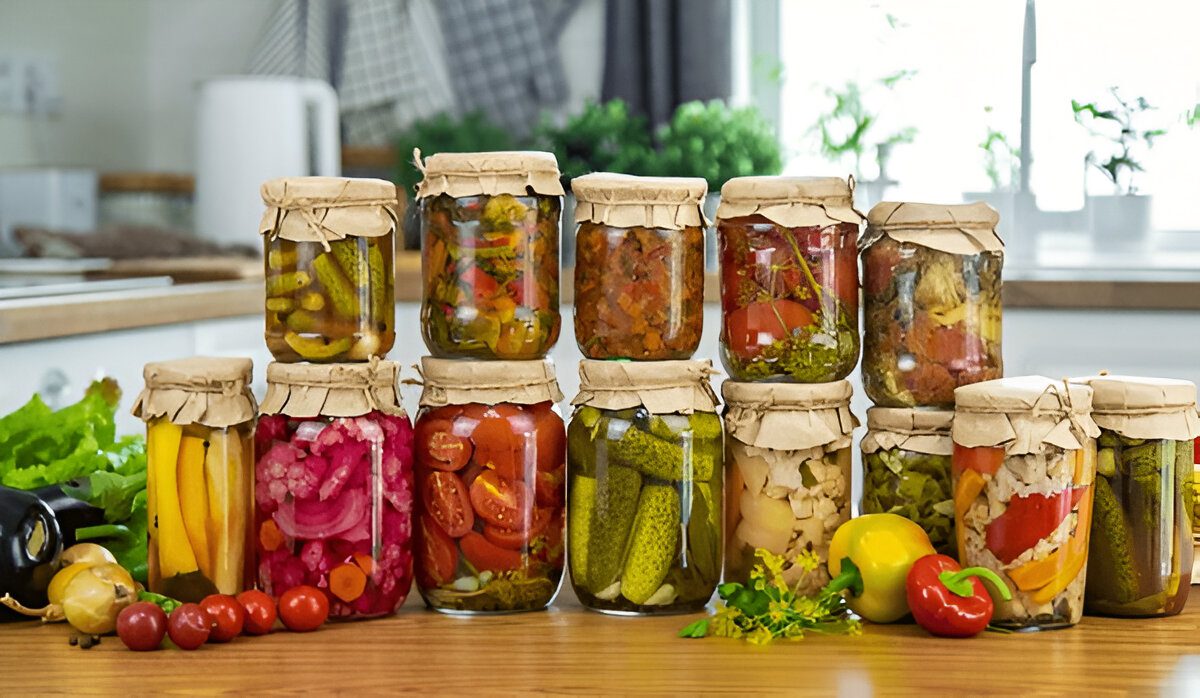
You might find that pickling and preserving connect you to family traditions and simpler times. These skills help you save seasonal produce and reduce waste by extending food’s shelf life.
Learning to can, ferment, or pickle can also be a relaxing and rewarding way to spend your time. Plus, homemade preserves often taste fresher and more personalized than store-bought versions.
Making Soap at Home

Making soap at home is a skill that’s both practical and rewarding. You can start with simple ingredients like olive oil, lye, and water to create your own cold process soap.
It’s a creative way to customize scents and ingredients to suit your skin type. Plus, you get to avoid many artificial additives found in commercial soaps.
With basic safety precautions, you’ll find soap making a satisfying hands-on craft that reconnects you with traditional skills.
Making Jam

Making jam is a simple skill that lets you enjoy fresh fruit all year round. You can control the ingredients and avoid preservatives found in store-bought versions.
You only need basic tools and a few ingredients like fruit, sugar, and pectin. Experimenting with flavors makes the process fun and creative.
Learning to make jam also helps reduce food waste by preserving surplus fruit from your garden or local markets. It’s a practical and tasty way to connect with food.