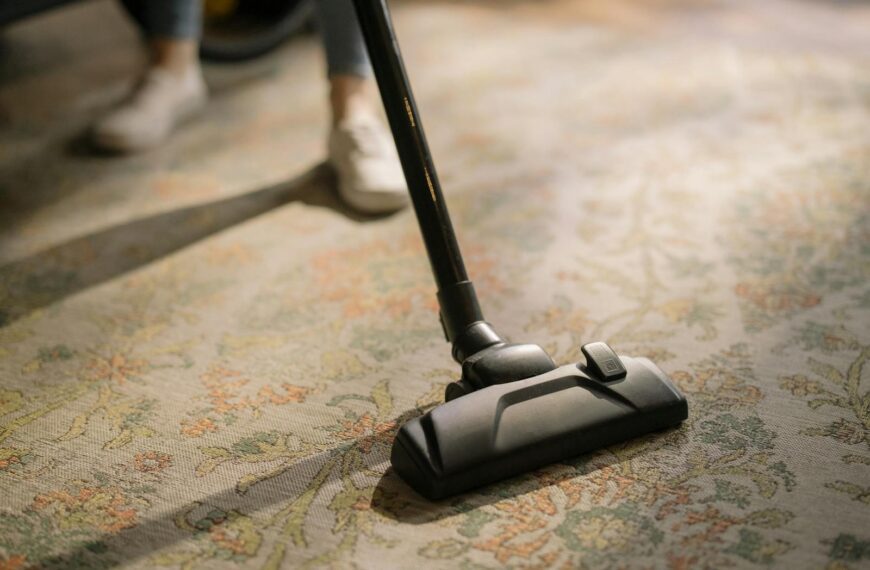
Your bedroom should be a relaxing and clean space, but many items quietly collect dust without you noticing. Over time, these overlooked things can affect the air quality and overall comfort of your room.
Knowing which items tend to gather dust can help you keep your bedroom healthier and more comfortable. By identifying these common dust collectors, you can focus your cleaning efforts where they matter most.
Ceiling fan blades

Your ceiling fan blades attract dust quickly because of static electricity. This causes dust particles to stick to the blades more than other surfaces.
You might notice dust building up even if your room is clean. The fan blades just catch the dust floating in the air around you.
To reduce buildup, try rubbing a dryer sheet on the blades. It helps make the dust less sticky. Regular cleaning with a microfiber duster can also keep your fan looking fresh.
Light fixtures

Your light fixtures often collect dust more than you realize. Dust can cling to bulbs, shades, and the fixtures themselves, dimming the light and affecting air quality.
You shouldn’t just dry dust them. Using a damp cloth or a gentle cleaner helps remove buildup more effectively.
Regularly cleaning light fixtures keeps your room brighter and fresher. It’s an easy spot to overlook but worth the attention.
Nightstand surfaces

Your nightstand often collects dust from items like lamps, clocks, and your phone. These surfaces don’t get cleaned as often as they should, so dust builds up faster than you might expect.
Small objects and decorations also trap dust and can make the area look untidy. Regular wiping with a damp cloth can keep your nightstand cleaner and reduce dust in your bedroom.
Window sills

Your window sills often collect dust and small debris, making them easy to overlook. If they get damp, mold or tiny creatures like springtails can appear, feeding on that moisture.
Cleaning them weekly with a damp cloth helps keep dust buildup under control. Using a vacuum with a narrow attachment can also reach tight corners and tracks where dust hides.
Curtains and drapes

Your curtains and drapes can hold a surprising amount of dust. They tend to trap particles from the air, especially if you don’t take them down and clean them regularly.
If you’re looking to reduce dust build-up, consider washing or vacuuming them often. You might also try alternatives like blackout shades, which can be easier to maintain and still keep your room cozy.
Rugs and carpets

Your rugs and carpets are prime spots for dust to settle. They hold fibers, dust mites, and skin cells that easily build up over time.
Regular vacuuming helps, but you should also shake out smaller rugs or use a rug beater. Spot cleaning with a mild detergent keeps dust mites under control.
Consider choosing low-pile rugs if dust is a constant problem. Keeping these areas clean makes your bedroom feel fresher and less dusty overall.
Bookshelves

Your bookshelves can quickly gather dust, especially if they’re open. Dust settles on both the shelves and the books, which can dull their covers and attract allergens.
To keep them clean, use a soft cloth or a lambswool duster. These attract dust without spreading it around.
If your bookshelves feel damp, placing a bowl of uncooked rice nearby can help absorb moisture and protect your books. Regular dusting makes a big difference with little effort.
Top of door frames

You might not notice it, but the top of your door frames can gather a surprising amount of dust. This spot is often overlooked during regular cleaning because it’s out of direct sight.
Using an extended mop or a dusting wand can help you reach up there safely. Wiping this area regularly will keep your bedroom looking cleaner and reduce dust buildup.
Closet shelves

Closet shelves often become a secret dust trap. Items like sweaters, bags, or shoes sitting there for weeks collect dust without you noticing.
You can make your shelves work better by organizing with boxes or bins. Using clear containers helps you find things quickly while keeping dust away.
Pull out seasonal clothes and store them separately. This frees up space and reduces clutter, making your closet easier to clean.
Under the bed

You might not notice it, but dust loves to gather under your bed. This space often gets overlooked during cleaning, making it a prime spot for dust bunnies.
Try to clear out anything stored there regularly, as clutter traps more dust. Sweeping or vacuuming under the bed once a week can help keep the dust at bay.
Using a low-profile vacuum or a duster with an extendable handle makes reaching under easier for you. Keeping this area clean can improve your room’s overall air quality.
Baseboards

Your baseboards often go unnoticed but collect dust quickly. Regular cleaning can help, but it might feel like a chore.
Try rubbing them with a fabric softener sheet after dusting. This can help repel dust and keep them cleaner longer.
It’s an easy trick that makes maintaining your baseboards less annoying and cuts down on how often you need to clean them.
Air vents and ducts
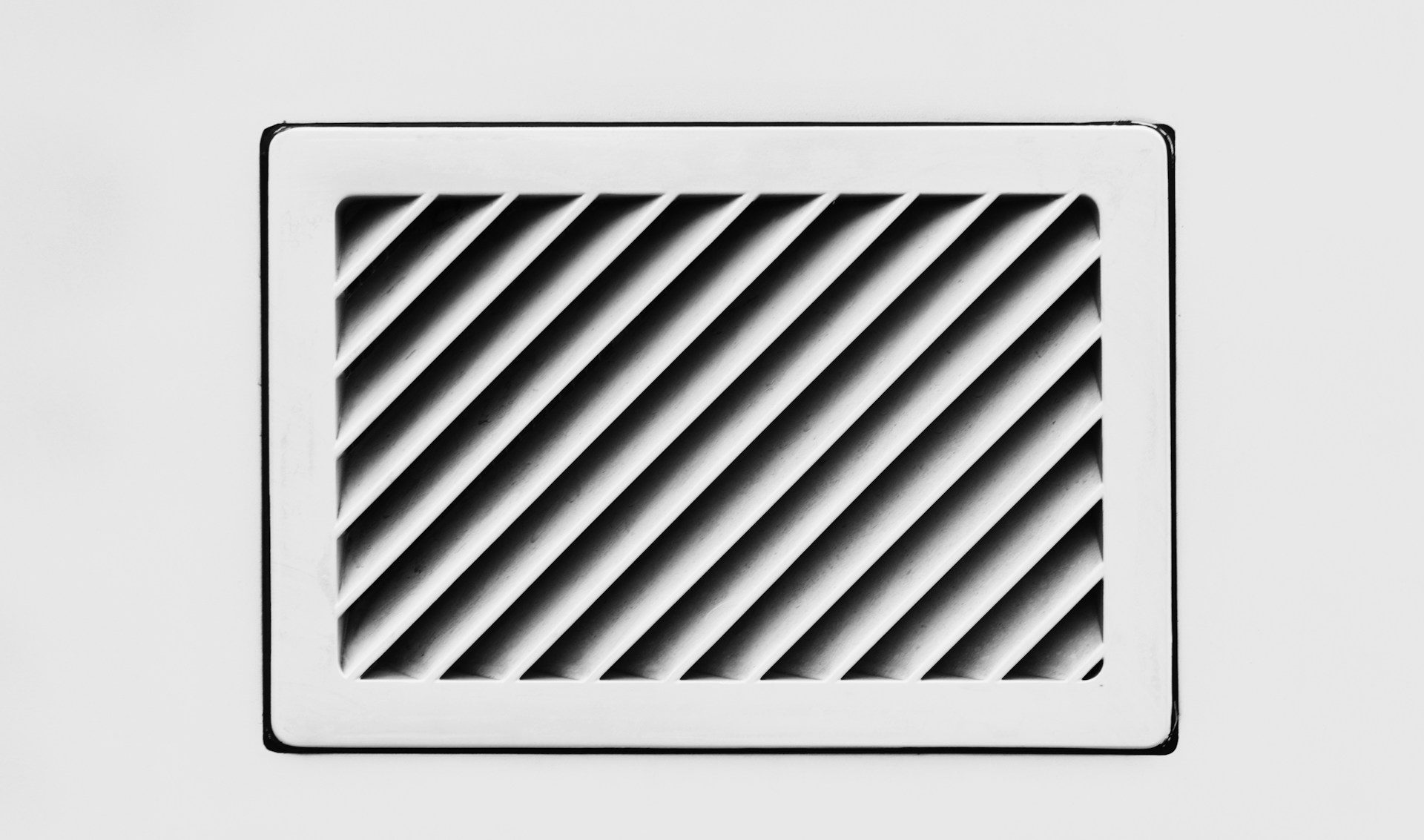
Your air vents and ducts quietly collect dust over time. Even if you change filters regularly, dust can build up inside the ductwork.
Leaks or holes in ducts can let in extra dust and debris. This might cause dust to spread throughout your bedroom.
Sometimes, vents give off a dusty or stale smell, which is a sign they need cleaning. Checking and cleaning your ducts can improve your air quality and reduce dust settling on surfaces.
Lamp shades

Your lamp shades often collect dust, especially if they sit untouched for days. The fabric or material can trap dust easily, making them look dull.
High ceilings or difficult access add to the challenge of cleaning. You might notice marks or buildup on the surface over time.
A simple lint roller can help you remove dust quickly without damaging the shade. Regularly wiping or vacuuming gently keeps your lampshades looking fresh.
Picture frames
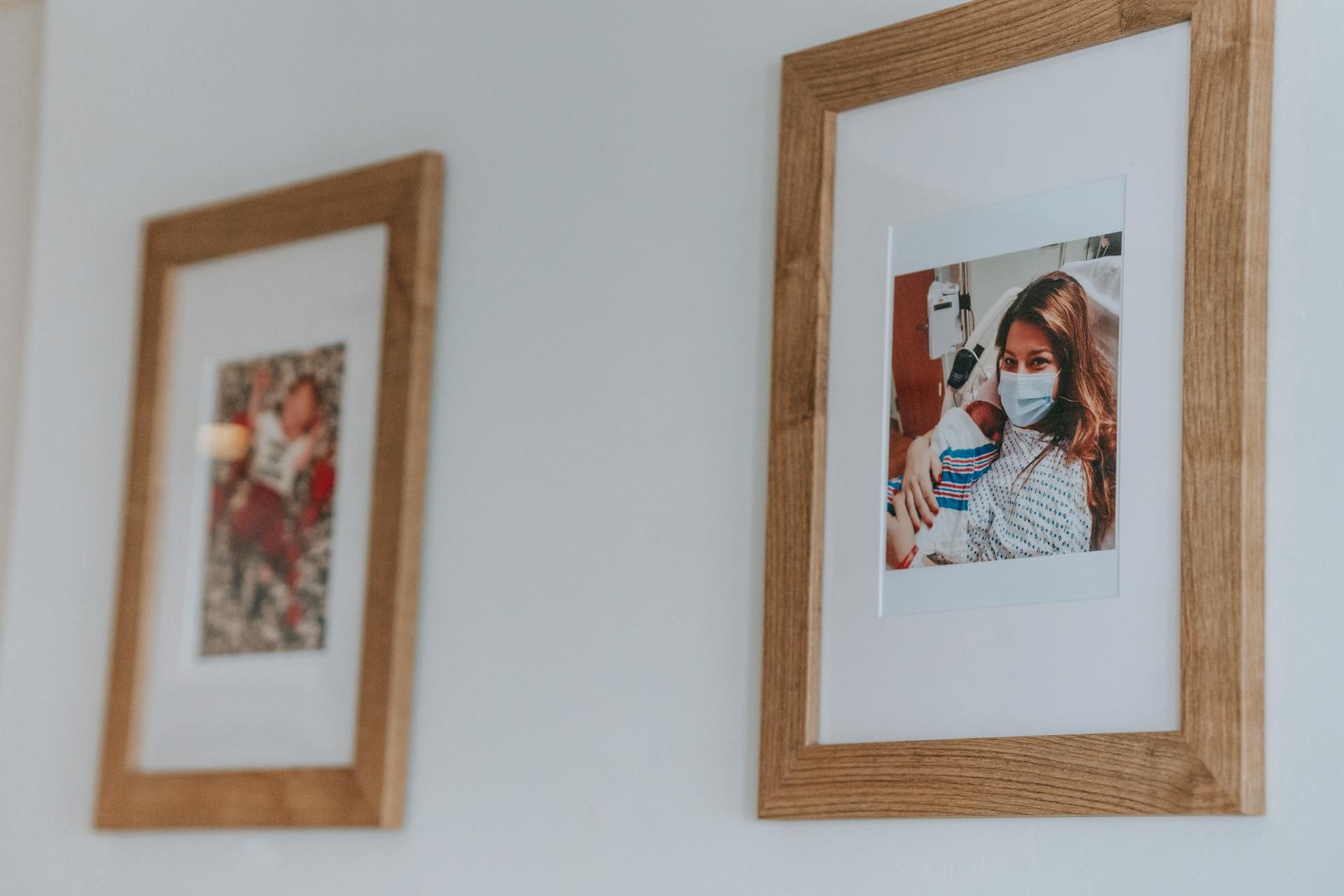
Picture frames often sit on dressers or walls and quietly collect dust. You might not notice it right away, especially if the frame has texture or darker colors.
Dusting them regularly while cleaning your furniture helps keep them fresh. Glass surfaces on frames also need wiping on both sides to prevent dust buildup inside.
Try to remove frames from walls occasionally to dust behind and prevent hidden dust layers.
Electronics like alarm clocks

Your old alarm clock might just be sitting on your nightstand, barely used. Many people now rely on their phones to wake up, making traditional clocks more of a dust collector.
Even if you still use one, some models have features you don’t need, like constant LED brightness or temperature displays. Consider whether your alarm clock adds value or just takes up space.
Bedding and pillows

Your bedding and pillows are prime dust collectors. Dust mites thrive in warm, cozy environments like mattresses and pillow fillings.
Regularly washing your pillowcases and bedding helps keep dust levels down. Fluffing and airing out pillows can also reduce dust buildup.
Don’t forget to vacuum your mattress occasionally. This can remove dust and allergens hiding deep in the fabric.
Clothes inside the closet

Your clothes can quietly gather dust when left untouched for a while. This is especially true for seasonal items you don’t wear regularly.
To keep them fresh, consider running dusty clothes through a low-heat dryer cycle with a fabric softener sheet. It helps remove dust and smells without damaging fabrics.
Regularly wiping down hangers and shelves with a microfiber cloth also prevents dust buildup inside your closet. This simple step keeps your clothes cleaner longer.
Shoes stored openly

When you keep shoes out in the open, they easily gather dust. This is especially true if they sit under your bed or near corners where airflow is limited.
You can reduce dust by using a shoe rack near the entryway instead of your bedroom. Another option is to store shoes in a closed organizer to keep dust off them and your floor.
Stuffed animals

Stuffed animals can quietly collect dust over time, especially if they sit in one spot. You might not notice it, but dust can build up in their fur and stuffing.
If you or someone in your home has allergies, this dust can cause discomfort. Regularly vacuuming or washing stuffed animals helps keep them fresh and dust-free.
Storing them properly when not in use can also prevent dust and pests like bugs or mice from settling in.