


Your utility bills can sometimes seem higher than expected, even when you’re careful about energy use. Often, the reason isn’t a big appliance or system malfunction but small habits you might not realize are adding up. These subtle behaviors at home can quietly increase your monthly expenses without obvious signs.
Understanding these common habits is key to lowering your bills and saving money over time. By recognizing and adjusting these patterns, you can take control of your energy use without major changes or investments. This article will explore four bad home habits that often drive utility costs higher than they need to be.
Leaving lights and electronics on when not in use
You might not realize it, but leaving lights on in empty rooms adds up quickly on your utility bill. Lighting can account for about 10% of your home’s energy use, so turning off switches when you leave helps you save money.
Electronics and chargers left plugged in also draw power, even when turned off. Unplugging devices can cut down on this “phantom” energy use without any hassle.
Using motion sensors or smart lighting in frequently used spaces can make it easier to keep lights off when you don’t need them. Small changes like these add up over time.
Running appliances during peak hours (2 p.m. to 8 p.m.)
Using appliances during peak hours can significantly increase your utility bills. This period typically sees the highest electricity demand, leading to higher rates charged by your utility company.
If you run your dishwasher, washing machine, or other major appliances between 2 p.m. and 8 p.m., you may end up paying more for the same amount of energy. Shifting these tasks to early morning or late evening can help you save.
Avoid running appliances during these peak times whenever possible. Small changes in your schedule can lower your energy costs without much effort.
Ignoring leaks or dripping faucets
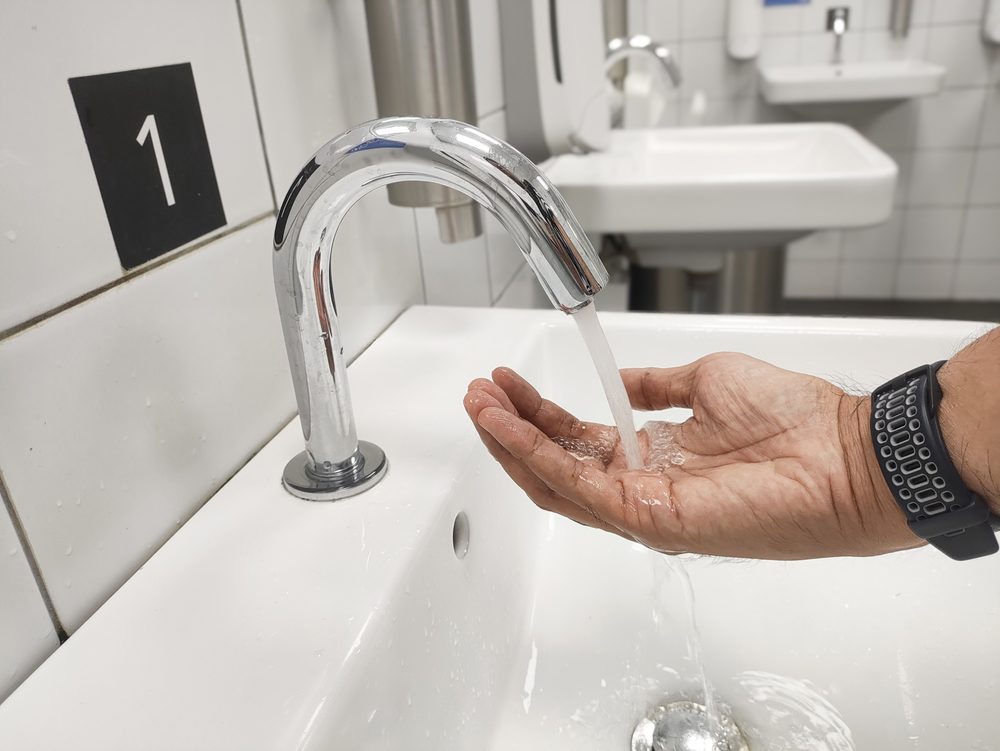
When you ignore a leaking faucet, you might think it’s just a small annoyance. But even a tiny drip can waste hundreds of gallons of water each year.
That waste adds up on your utility bills, quietly costing you more over time. Plus, those leaks can cause hidden damage like mold or weakened pipes.
Fixing leaks quickly saves water, lowers your bills, and helps avoid costly repairs down the line. A simple fix now keeps your plumbing happy and your wallet healthier.
Keeping HVAC systems on high settings unnecessarily
When you set your HVAC system to a high temperature, it doesn’t heat or cool your home any faster. Instead, it makes the system work harder than needed, leading to higher energy use and bigger bills.
Your HVAC works best at a steady, moderate setting. Turning it up or down too much puts extra strain on the system, which can wear it out faster.
Stick to a comfortable temperature and avoid the temptation to crank the thermostat. This simple habit can help you save money and keep your system running smoothly.