We’ve all done it—cleaned out a closet or attic, spotted something old, and thought, “Who would want this?” But when it comes to antiques, appearances can be deceiving. Some of the most ordinary-looking heirlooms are quietly worth a fortune. Whether you inherited something from family or stumbled upon a gem at a yard sale, getting it appraised before selling could make all the difference.
From timeworn furniture to delicate porcelain, these five types of antiques deserve a professional’s opinion. They might not just tell a story—they might also fund your next big adventure.
Fine Art and Paintings
That dusty painting above the mantel could be far more valuable than it looks. Even unsigned or little-known works can surprise experts, especially if they’re from notable periods or schools. Subtle details—brushstrokes, frames, and canvas age—can reveal whether it’s an original, a study piece, or a rare early work.
Local appraisers and auction houses can help identify an artist or provenance, both of which dramatically affect value. Sometimes, what looks like a charming family portrait is actually worth tens of thousands. Before you trade it for wall space, make sure you know what you’re parting with.
Antique Jewelry
Grandma’s jewelry box might hold more than sentimental value. Antique and vintage jewelry often hides hidden worth in its craftsmanship, gemstones, and history. Art Deco, Victorian, and Edwardian pieces are particularly desirable, especially if they’re made of platinum, gold, or feature original-cut diamonds.
Even costume jewelry can surprise you—designers like Miriam Haskell and Chanel produced collectible pieces now fetching high prices. Have an appraiser check for maker’s marks, quality settings, and hallmarks before selling. What might look like a trinket could end up being a small treasure in disguise.
Rare Coins and Currency
Loose change from generations past might not be so “loose” after all. Collectors pay impressive sums for coins and bills with rare mint marks, misprints, or limited production runs. Pre-1965 silver coins, early American currency, and even old foreign coins can all carry serious value.
An expert numismatist can identify rarity and condition, both critical in determining worth. Avoid cleaning or polishing them—removing patina can drastically reduce value. Before you cash in your collection, it’s worth letting a professional take a look. That old coin jar could hold more history (and money) than you realize.
Antique Furniture
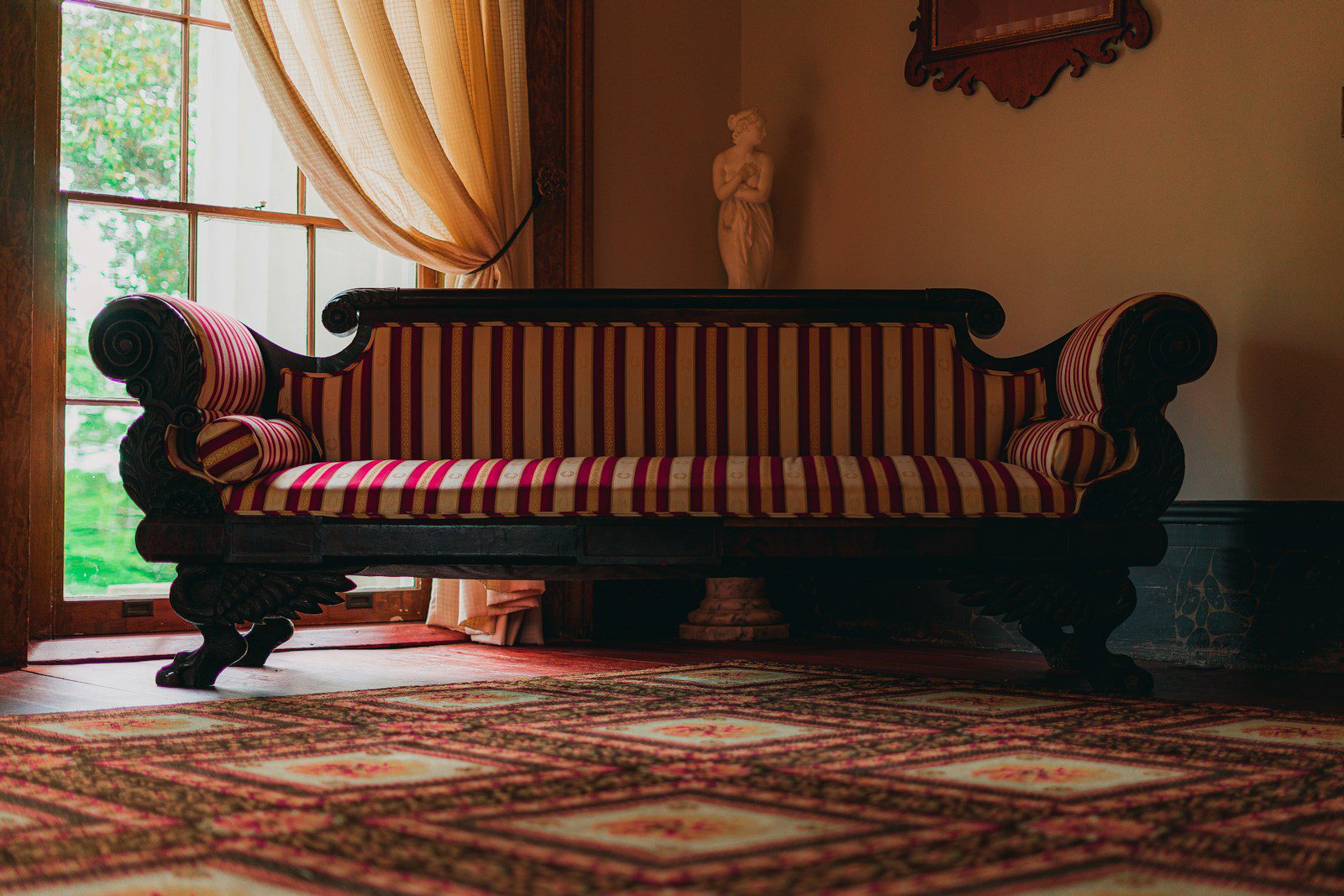
Before you list that old sideboard or dresser online, pause for a closer look. Authentic antique furniture—especially from the 18th or 19th centuries—can command staggering prices if it’s in good condition and retains original finish or hardware. Early American, Georgian, and Victorian pieces are especially sought after.
Look for hand-cut dovetail joints, solid wood construction, and original brass fittings—these are telltale signs of true craftsmanship. Refinishing or repainting can sometimes decrease value, so let an expert guide you first. A quick appraisal could reveal you’ve been dusting off a five-figure piece all these years.
Porcelain and Pottery
Delicate porcelain figurines or ceramic vases might not seem like much until you spot the right maker’s mark. Brands like Meissen, Sevres, and Royal Worcester are known for exceptional craftsmanship and are highly collectible today. Even American potteries like Rookwood and Roseville have skyrocketed in value.
Condition, glaze, and markings make all the difference. A chip can hurt value, but rarity and artistry often outweigh minor flaws. If you’re not sure what you have, resist the urge to sell quickly—some early 20th-century pieces have been known to fetch thousands at auction. When in doubt, let an expert’s eye do the judging.
When it comes to antiques, a little patience pays off—literally. Before parting with anything old and intriguing, invest the time to have it appraised. Whether you discover sentimental value or a financial windfall, knowing the story behind your piece is always worth it.