When it comes to storing our food, we often assume the fridge is the best place for everything. However, not all foods benefit from cold storage. Some actually lose flavor, texture, or nutritional value when refrigerated.
Understanding which foods should never be refrigerated helps us protect their quality and enjoy them at their best. By learning these simple storage tips, we can reduce waste and make our groceries last longer.

Potatoes – Refrigeration turns their starch into sugar, altering taste and texture.
We often think the fridge is the best place for all our fresh foods, but potatoes are different. When refrigerated, their starches turn into sugars faster than usual.
This change makes potatoes taste sweeter and can affect their texture. They may become softer or develop an odd flavor we don’t expect.
Storing potatoes in a cool, dark, and well-ventilated spot outside the fridge helps keep their natural taste and texture intact. It’s a simple way to enjoy them just as we like.
Onions – They become soft and moldy faster in the fridge due to moisture.
We’ve probably all tossed onions in the fridge at some point, thinking it will keep them fresh longer. But the cold, humid environment actually speeds up moisture absorption. This makes onions go soft and moldy much quicker than if stored properly.
For whole onions, it’s best to keep them in a cool, dry, and well-ventilated spot. This prevents them from becoming limp and mushy. Once we cut an onion, wrapping it tightly and refrigerating it is fine, but we should use it within about a week.
Tomatoes – Cold dulls their flavor and makes them mealy in texture.
We all love the fresh, vibrant taste of a perfectly ripe tomato. But storing tomatoes in the fridge can ruin that experience. Cold temperatures slow down their ripening process, which affects their flavor and aroma.
When tomatoes get too cold, their cell structure breaks down. This leads to a mealy, grainy texture that makes eating them less enjoyable. To keep tomatoes tasting their best, we should store them at room temperature.
Leaving tomatoes out, away from direct sunlight, helps preserve their juiciness and natural sweetness. It’s a simple step that makes a big difference in taste and texture.
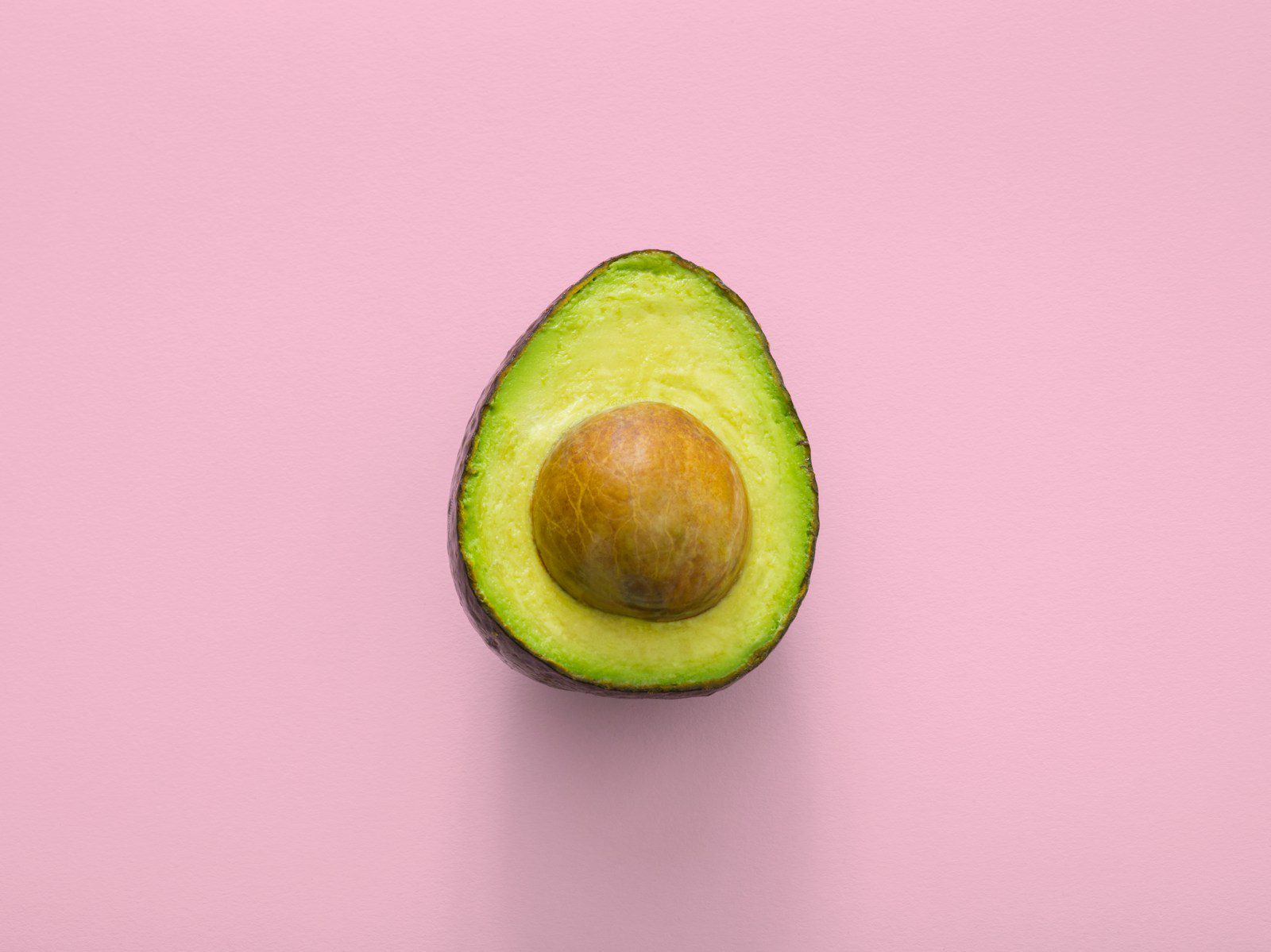
Avocados – Keep unripe avocados at room temp to ripen properly.
When we buy avocados that aren’t ready to eat, it’s best to keep them on the counter. Room temperature helps them ripen naturally over several days.
Refrigerating unripe avocados can slow or stop the ripening process, making them tough and less creamy. Once they’re ripe, though, popping them in the fridge can help keep them fresh a little longer.
Let’s give our avocados a little breathing room and avoid the cold until they’re perfectly ready.
Honey – It crystallizes and thickens when refrigerated.
When we put honey in the fridge, it tends to crystallize and become thick or grainy. This happens because cooler temperatures cause the natural sugars to separate and form crystals.
While crystallized honey is safe to eat, it can be harder to spread or pour. To keep it smooth, we find it best to store honey at room temperature, away from moisture and direct sunlight.