


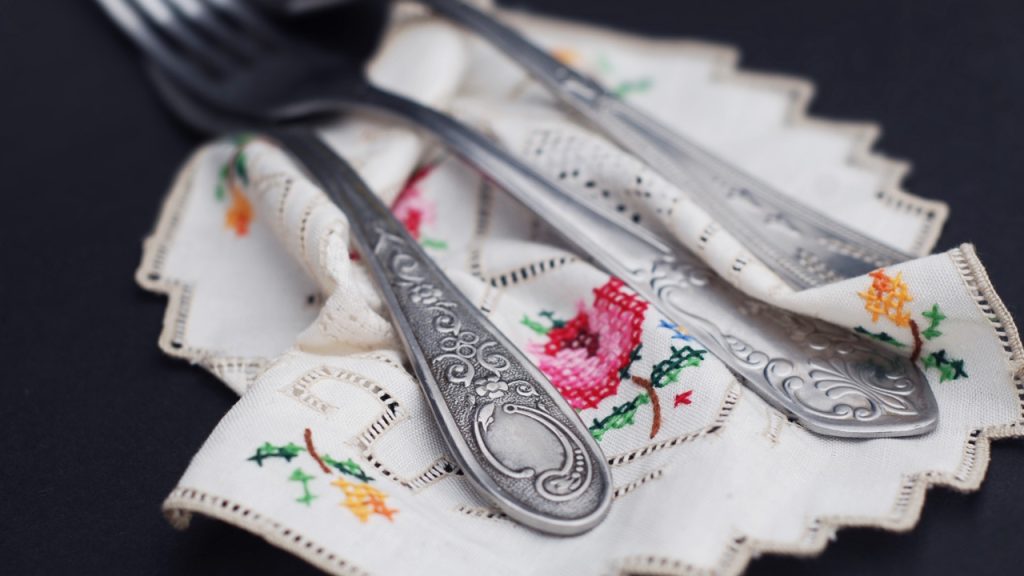
That drawer full of tarnished forks and spoons might not look like much—but don’t be fooled. Some old silverware isn’t just heirloom-worthy; it’s downright valuable. Between rare patterns, high silver content, and famous makers, the right piece can sell for hundreds—or even thousands—online.
Before you polish, pawn, or pass it down, it’s worth taking a closer look. Here are five types of vintage silverware that could transform your “junk drawer” into a jackpot.
Sterling Silver Flatware Sets

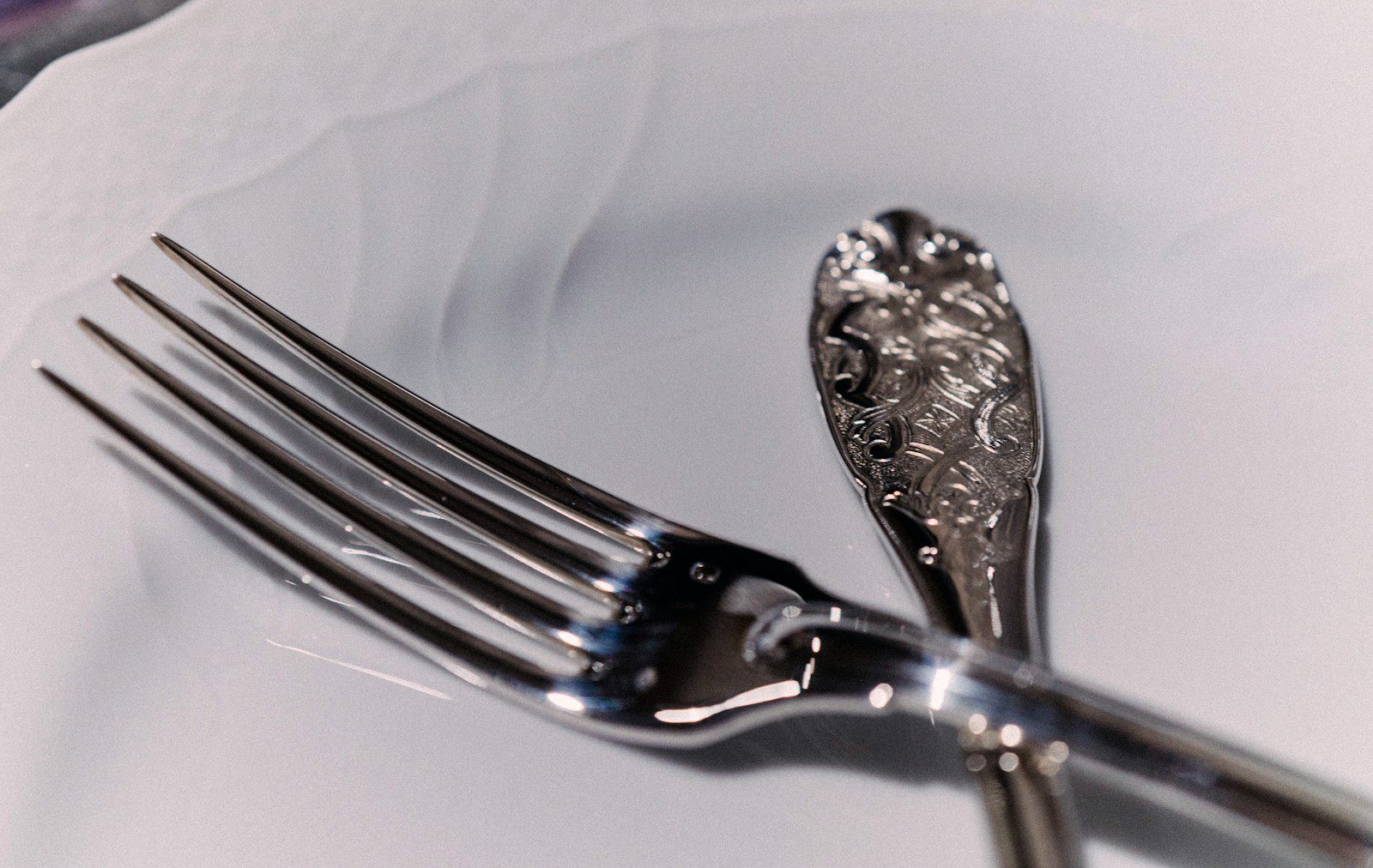
If you inherited a full sterling silver flatware set, you might be sitting on a treasure. Unlike silverplate, sterling is 92.5% pure silver—and collectors and investors both want it. Complete sets from makers like Gorham, Reed & Barton, and Wallace are especially valuable, particularly in patterns like Chantilly or Francis I.
Condition and completeness matter most—missing knives or bent tines can lower the price, while original cases boost it. A polished, well-kept sterling set can easily sell for thousands, making it one of the most elegant investments hiding in your home.
Rare Serving Pieces
While dinner forks and teaspoons are common, the real money often lies in the specialty items—think fish forks, sugar sifters, or asparagus tongs (yes, really). These pieces were once part of elaborate Victorian dining sets and are now prized for their craftsmanship and rarity.
Collectors adore their quirky shapes and intricate engravings. Single serving pieces can fetch hundreds of dollars on their own, especially those from 19th-century European silversmiths. So next time you find an oddly shaped spoon, don’t laugh—it might just be your most valuable utensil.
Coin Silver
Before standardized sterling became the norm, American silversmiths used coin silver—literally melted down from old coins—to make flatware and utensils. These pieces, typically crafted before 1860, are incredibly collectible today.
You can identify coin silver by the absence of a “sterling” mark and the presence of the maker’s name or city stamp instead. Their historical value makes them appealing to collectors and museums alike. A rare piece in good condition can easily command four figures, proving that sometimes, old money is really old money.
Silverplate Patterns by Famous Makers
Even though silverplate isn’t pure silver, certain vintage patterns by well-known brands still have serious value. Companies like Rogers Brothers and Oneida produced ornate designs during the early 1900s that are now highly collectible for their artistry and nostalgia.
Some discontinued patterns are sought after by people trying to complete family sets or recreate vintage table settings. Matching serving pieces or boxed presentation sets can push the value higher. If you spot a pattern with intricate floral detailing or an engraved hallmark, don’t dismiss it—it might be silverplate gold.
Tiffany & Co. Silver
Tiffany has been synonymous with luxury for more than a century, and their sterling silver flatware is no exception. Patterns like English King, Faneuil, and Audubon are some of the most coveted on the market. Even single Tiffany spoons can fetch hundreds of dollars.
Pieces with early maker’s marks or monograms add extra appeal for collectors. While the brand’s silverware is often passed down through generations, many owners have no idea how valuable it really is. So if that small blue box ever surfaces in your family china cabinet, handle it with care—it might hold your next big payday.
Old silverware has a way of blending history, art, and quiet luxury. Whether it’s a full set or a single serving spoon, these gleaming relics tell stories of craftsmanship—and might just pad your savings account in the process. So before you sell it for scrap or let it tarnish away, take a moment to see what it’s really worth. It could shine a lot brighter than you think.