


Wasting food is more common than you might realize, and it often leads to losing money without even noticing. Many everyday habits contribute to food waste, which can add up over time and impact your budget.
Understanding what causes food waste in your routine can help you save money and reduce unnecessary loss. By making small changes, you can be more mindful of how you shop, store, and use your food to prevent waste before it happens.
Buying more fresh produce than you can consume before it spoils
You might be tempted by colorful displays or sales, but buying too much fresh produce often leads to waste. Many fruits and vegetables spoil quickly, and if you don’t eat them in time, they end up in the trash.
Planning your grocery list carefully helps you avoid overbuying. Stick to what you need based on your meal plans and how much you realistically can eat before produce goes bad.
When you do have extra produce, consider freezing or preserving it. This way, you extend its life and reduce waste while saving money.
Not planning meals leading to unnecessary food waste
When you don’t plan your meals, it’s easy to buy more food than you need. These extra items often end up forgotten and spoiled.
Without a plan, you might also cook too much or buy ingredients you don’t use in time. This not only wastes food but also money that could be saved.
Taking a few minutes to plan your meals helps you shop smarter. You can focus on what you will actually eat, reducing waste and stretching your budget.
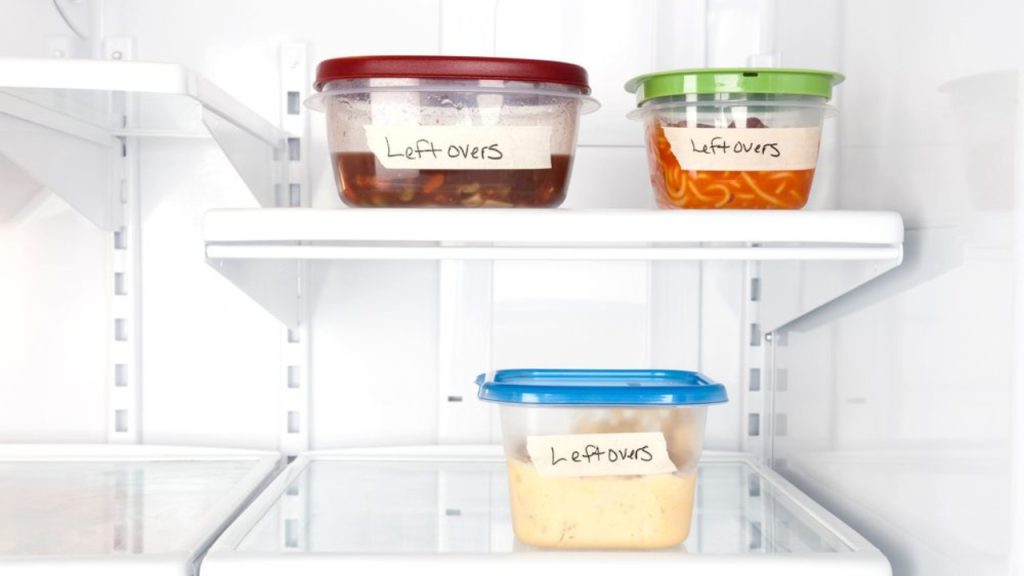
Ignoring leftovers instead of repurposing them for new meals
When you let leftovers sit without a plan, good food often ends up in the trash. This wastes both your money and the effort you put into cooking.
Instead, try thinking of leftovers as ingredients for new meals. For example, yesterday’s roasted vegetables can become a tasty soup or a pasta topping.
Repurposing leftovers saves you time, reduces food waste, and can even spark creativity in the kitchen. It’s a simple habit that helps you get more from what you already have.
Using oversized plates causing you to serve and waste more food
When you use large plates, you tend to put more food on them without realizing it. This often leads to serving sizes bigger than what you actually need.
Studies show that doubling plate size can increase the amount of food you eat by over 40%. That extra food sometimes ends up as waste if you don’t finish it.
By choosing smaller plates, you can naturally serve yourself less. This simple change helps reduce food waste and saves you money over time.
Throwing away food because of misunderstood ‘sell by’ or ‘best before’ dates
You might be tossing food too soon because of labels like “sell by” or “best before.” These dates usually indicate peak quality, not when the food is unsafe.
Many foods are still good to eat after these dates. Trust your senses—look, smell, and taste before deciding to throw something away.
Understanding these labels better can save you money and reduce waste. Your family could keep hundreds of dollars by avoiding unnecessary food disposal.