

You probably walk past small antiques every day without thinking twice, but a single overlooked trinket can change how you value everyday objects. You can find surprisingly valuable pieces hiding in plain sight by learning what to look for and where small details signal real worth.
This article shows how to spot modest items—like silver frames, vintage barware, copper kettles, fishing badges, and early chandeliers—that collectors prize, so you can judge what might be worth holding onto or selling. Keep an open eye and a curious hand; a tiny discovery could pay off.
Sterling silver picture frames

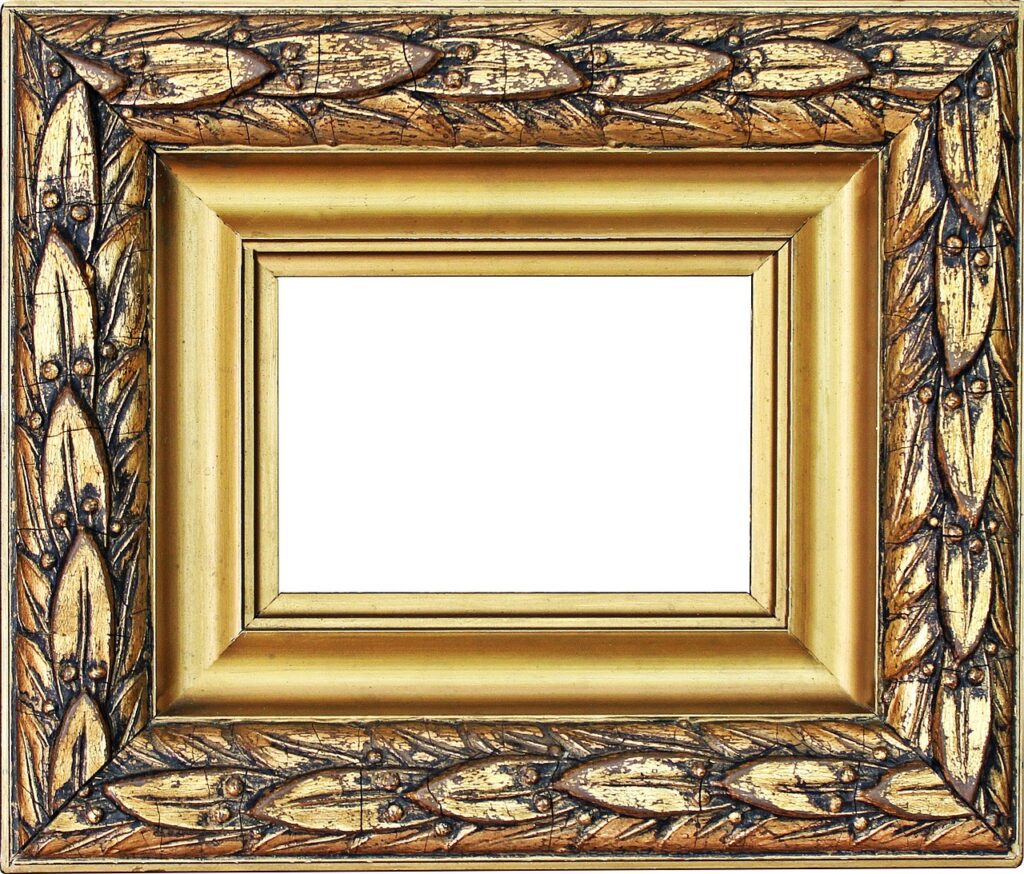
You’ll spot sterling silver frames by their weight and tiny hallmarks stamped on the back or edge.
They often hide real value because makers’ marks and condition drive resale, not just shine.
Check for dents, repairs, and maker’s initials before you buy; a clean mark from a known silversmith can raise prices.
Antique frames show patina and craft details that mass-made pieces lack, so handle them gently and inspect closely.
See examples and market notes on vintage frames at Cynthia Findlay’s gallery.
Memphis Group barware pieces
You’ll spot Memphis-style barware by its bold colors, graphic patterns, and playful shapes.
These pieces often mix plastic, lacquer, brass, and glass in ways that stand out on a shelf.
If you find originals by designers like Ettore Sottsass, they can fetch strong resale interest.
Check for maker marks and condition; chips or missing parts cut value quickly.
Learn more about the movement and typical designs at this Memphis Group guide.
Ruffoni copper kettles
You might pass a Ruffoni kettle thinking it’s just pretty copper cookware.
These hammered, hand-tinned kettles often hide fine craftsmanship and solid-bronze fittings that collectors prize.
If you spot one with a lotus knob or riveted handle, your find could command attention from enthusiasts.
Check maker marks and tin lining condition before valuing it — cosmetic shine doesn’t equal interior soundness.
See an example of the classic Historia design and details on the maker’s page: Ruffoni Historia copper tea kettle (manufacturer).
Vintage fishing badges
You might find a small, brightly colored badge in an old box of gear and not think much of it.
These badges were common on recreational fishing licenses in the early 1900s and were meant to be worn or displayed, which explains their vivid enamel and pin backs.
Collectors pay for condition, rarity, and location, so a well-preserved pin from a specific state or early decade can fetch noticeably more than a generic piece.
Check listings and guides like the overview of antique fishing and hunting licenses on Collectors Weekly (https://www.[collectors](https://declutteringmom.com/12-best-places-to-hunt-for-vintage-collectibles/)weekly.com/fishing/licenses) to judge value and authenticity.
Early 20th-century chandeliers
You might walk past a small chandelier and think it’s just decorative.
Many early 20th-century fixtures hide quality materials and hand‑worked details that collectors pay for.
Look for original crystal drops, brass work, or unusual Art Deco or Empire forms.
Check listings on sites like 1stDibs for early 20th-century chandeliers and pendants to compare styles and prices.
More from Decluttering Mom: