


Lately, many families have noticed that some everyday foods are becoming harder to find or afford. Whether it’s because of supply chain issues, rising costs, or new tariffs, the grocery store experience is changing in ways that affect our shopping lists and budgets.
Understanding which common foods are slipping out of reach helps us prepare and adjust our meals without stress. By staying informed, we can find smart ways to manage these challenges together.

Coffee Beans
We’ve all noticed coffee beans becoming harder to find lately. Tariffs on imports from countries like Brazil and Colombia have raised prices by about 25%.
This increase makes it tougher for stores to keep our favorite beans stocked. Sometimes, we visit several shops only to face empty shelves.
Because coffee is such a daily staple, it’s frustrating for many of us. Instant coffee offers a quick fix, but it’s not the same as fresh beans for brewing.
These changes remind us how global trade and supply can directly affect our morning routine.
Avocado
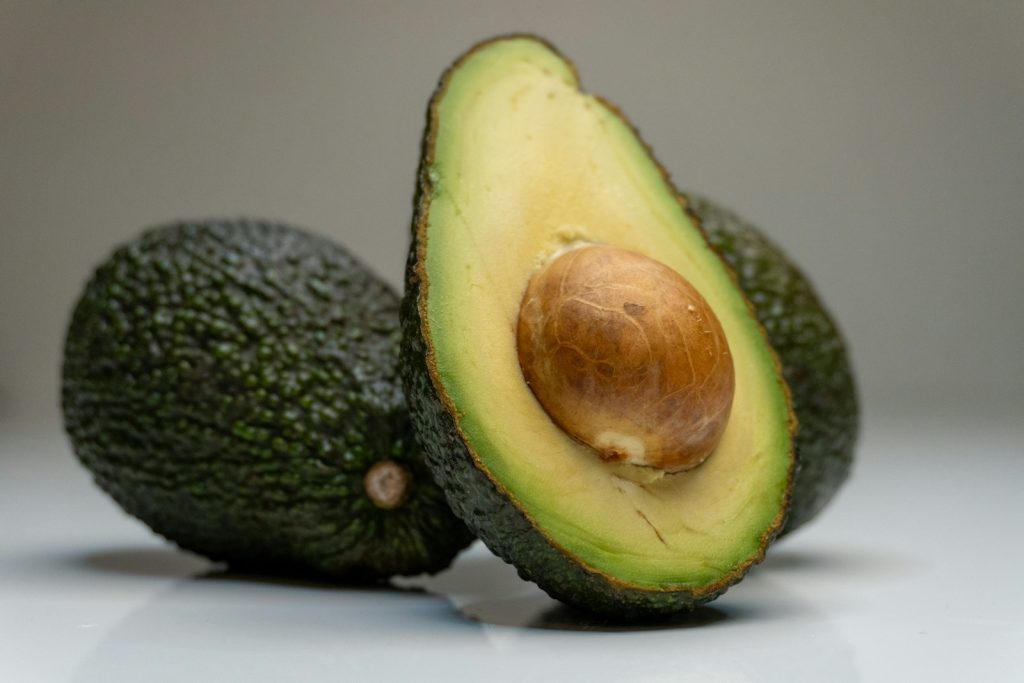
Avocados have become a favorite for many of us, especially as a go-to for toast or salads. But lately, finding them at a reasonable price has gotten harder.
Several factors play a role in this. Water shortages affect growing regions, and stricter inspections and tariffs between countries have slowed imports.
This means avocados are more expensive and less available for most families. We may need to adjust our shopping habits or try new foods while the supply catches up.
Pasta Sauce
Lately, we’ve noticed our favorite pasta sauces disappearing from store shelves. Brands like Barilla have become harder to find, which makes meal planning a bit tricky. This is partly due to supply chain issues and changes in production priorities.
Many of us remember when Prego and Ragu were household staples. Now, shelves seem to be stocked with new or different brands every month, making it tougher to stick with what we love.
As these sauces become less available, we’re finding ourselves either trying new options or considering making sauce from scratch more often.
Almonds
Almonds have become harder to find and more expensive for many of us. Trade tariffs and supply issues are making these nuts less available in stores.
We often rely on almonds for snacks, baking, and even milk alternatives. Their scarcity can disrupt our usual grocery routines.
It helps to explore local or alternative nut options while almond supplies stabilize. Together, we can adapt and still enjoy healthy snacks.
Salmon
Salmon has become increasingly pricey for many families. Rising fishing costs and supply chain issues have pushed prices up. This makes it harder for us to enjoy this nutritious favorite regularly.
We’re noticing smaller portions and fewer sales on salmon at our local stores. Some are turning to frozen or farmed options, but those don’t always match the taste or quality we expect.
Still, salmon remains a valuable source of protein and omega-3s, so finding affordable ways to include it in our meals matters more than ever.
Baby Formula
Many families have faced challenges finding baby formula recently. Supply chain issues and product recalls have made some types harder to get.
We understand how stressful this can be, especially for parents of infants with special dietary needs. It’s important to use only FDA-approved formulas to keep babies safe.
In urgent cases, we can look for resources and advice from trusted healthcare providers. Avoid homemade recipes, as they might not meet babies’ nutritional needs. Together, we can navigate this shortage carefully.