


Grocery shopping can feel overwhelming with so many choices and prices fluctuating all the time. We often grab convenient or popular items without stopping to consider if they’re truly worth what we pay.
By being aware of which grocery items consistently carry a higher price without enough value, we can make smarter decisions and save money in the long run. This article helps us identify six common products that might not be the best use of our budget.

Pre-cut fruits and vegetables
We often reach for pre-cut fruits and vegetables because they save time and effort. However, these convenient options usually cost much more than buying whole produce—sometimes up to twice as much.
Pre-cut items also spoil faster, which can lead to more waste in our kitchens. On top of that, the cutting process can reduce freshness and nutritional value.
When we shop whole fruits and veggies, we get better quality, longer shelf life, and more control over portion sizes. It’s a small step that helps us save money without sacrificing convenience.
Organic coffee brands
We often reach for organic coffee thinking it’s always the better option. While organic varieties avoid pesticides and support sustainable farming, not all brands deliver consistent quality. Some organic coffees can be pricey without a noticeable difference in taste.
We’ve found that brands like Lifeboost offer organic, single-origin beans with a clean flavor profile worth trying. However, many organic options come mainly from Latin America, which can affect variety and price. It’s a good idea to compare reviews and taste before committing to a brand.
Single-origin beef cuts
When we look for single-origin beef cuts, we expect quality and traceability. However, these cuts often come with a higher price tag that doesn’t always match the taste or tenderness we get.
Buying beef from well-known brands or fancy labels can be tempting. But in many cases, similar results come from less expensive, bulk options or trusted local butchers.
We’ve found that buying in bulk or choosing versatile cuts can save money without sacrificing flavor. It’s worth considering these options before paying more just for the single-origin label.
Bottled fruit juices
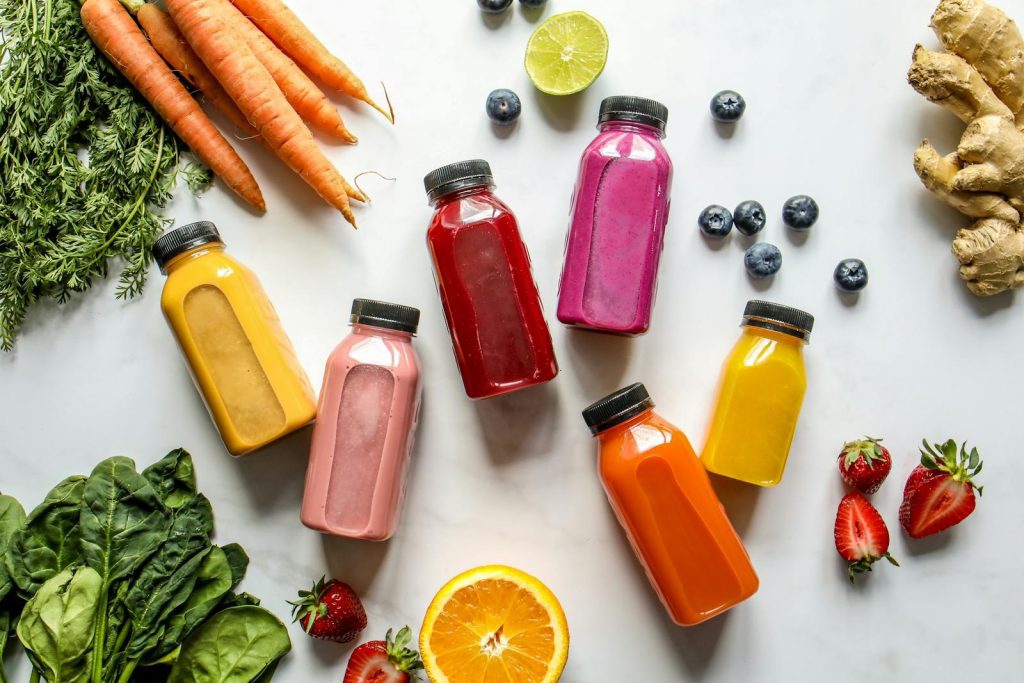
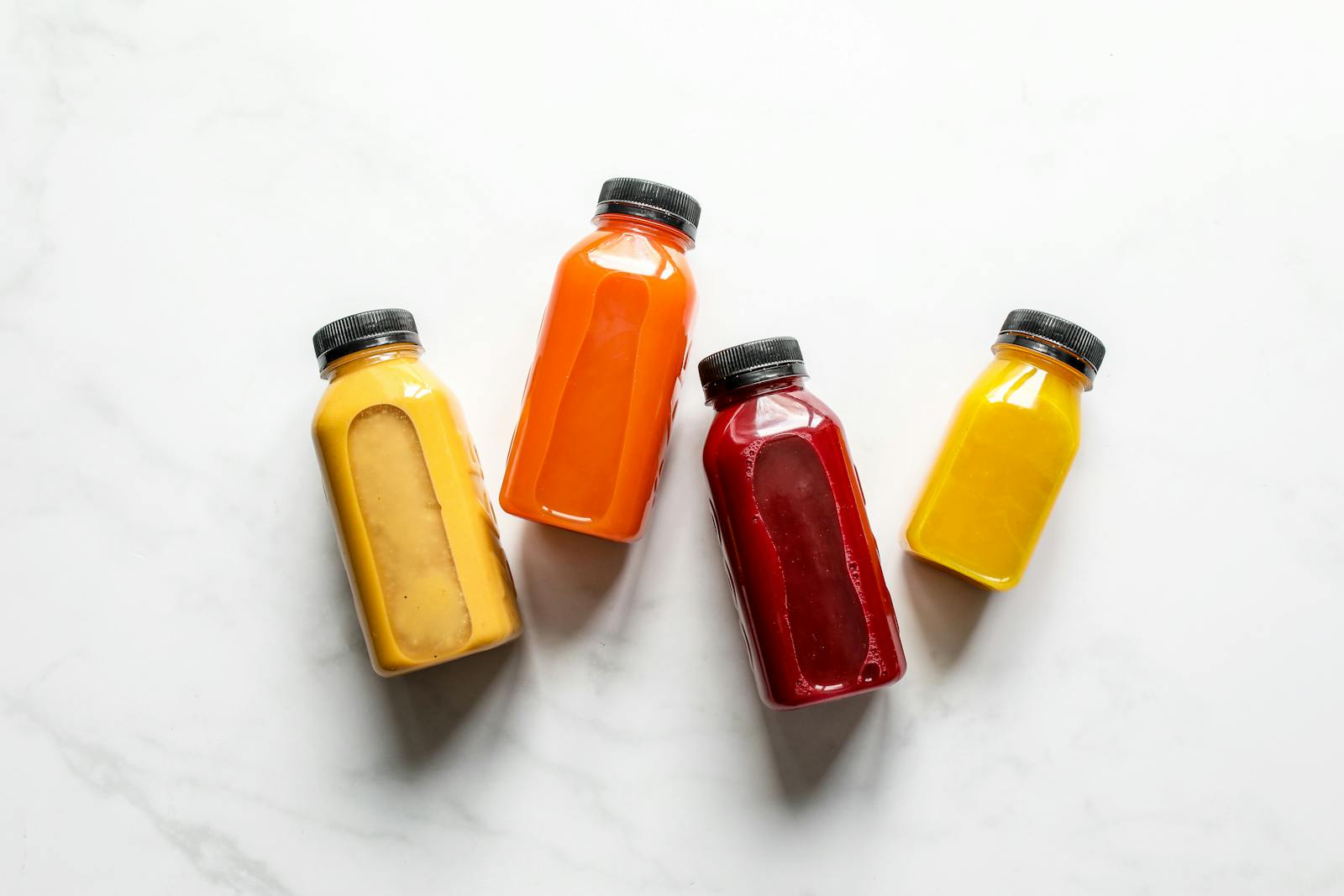
We often reach for bottled fruit juices thinking they’re a healthy choice. But many of these drinks contain little real fruit and a lot of added sugar.
Even bottles labeled “100% juice” can have sugar levels similar to soda. Plus, they usually lack the fiber found in whole fruit, which helps slow sugar absorption.
Instead of spending on pricey bottled juices, we might do better sticking with whole fruits or making fresh juice at home. The flavor and nutrition are usually much better.
Pre-packaged salad mixes
We often reach for pre-packaged salad mixes because they seem like a quick and healthy choice. They do save time on washing and chopping, which is a big plus on busy days.
However, these mixes usually cost more than buying fresh veggies separately. Plus, they can lose some freshness and flavor in their packaging. Sometimes, the quality just isn’t as good as we expect.
We also need to be careful about safety. Handling and storage matter a lot since pre-cut greens can carry a higher risk of contamination. Checking expiration dates and package condition is key before buying.
Almond milk brands with added sugars
When we pick almond milk, it’s easy to overlook added sugars. Many store-bought brands include sweeteners to improve taste, but those sugars can add up quickly.
These added sugars don’t provide much nutrition and can increase the price without real benefit. We recommend checking labels carefully to avoid unnecessary extras.
Choosing unsweetened almond milk often gives us better control over sugar intake and usually costs less. It’s a simple way to enjoy almond milk without paying for added sweetness we don’t need.