Shelf-stable foods are super convenient to keep around, especially when you want quick meals or snacks that don’t need refrigeration. But not all of these foods are created equal when it comes to your health or how long they really should be stored.
Some shelf-stable items can be less healthy or spoil more easily than you might expect, so it’s smart to know which ones you should limit in your pantry. Knowing this helps you make better choices without sacrificing convenience.
Canned soups high in sodium
When you grab a can of soup, it’s easy to overlook the sodium content. Many canned soups pack a lot of salt—sometimes nearly half of your recommended daily intake in just one serving.
Eating too much sodium can affect your blood pressure, so it’s important to check the label. Look for low-sodium options or try diluting the soup with water or adding fresh veggies to cut down on salt.
If you want more control over sodium, making your own soup can be a better choice. That way, you decide exactly how much salt to add.
Instant noodles with MSG
If you like quick meals, instant noodles are super convenient. But many of them contain MSG, a common flavor enhancer. While MSG is generally recognized as safe, some people prefer to avoid it due to possible sensitivity or concerns about eating too much processed food.
Instant noodles also tend to be high in sodium and low in nutrients. They might fill you up fast but won’t do much for your long-term health. So, it’s a good idea to limit how often you reach for these snacks.
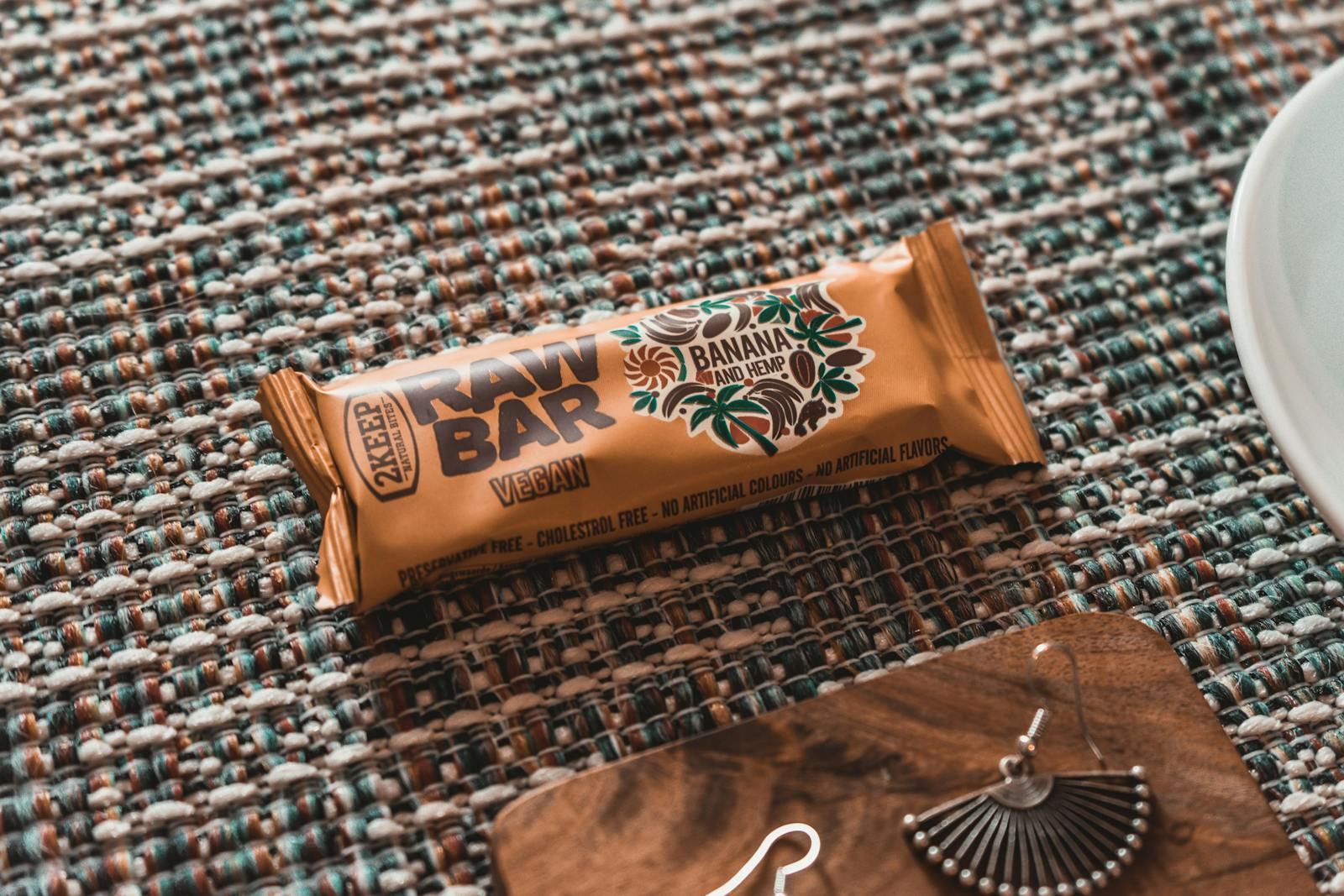
Flavored shelf-stable protein bars with added sugars
Flavored protein bars can seem like a quick, healthy snack, but many contain added sugars. These sugars add extra calories without much nutrition.
If you rely on protein bars with flavors like chocolate or caramel, you might be getting more sugar than you realize. This can cause energy spikes followed by crashes.
Look for bars with little to no added sugar and simple ingredients. Checking the label helps you avoid bars packed with sweeteners that don’t support your health goals.
Choosing protein bars low in added sugars keeps your snack both convenient and better for your body.
Pre-packaged snack cakes
Pre-packaged snack cakes might seem like an easy go-to, but they usually pack a lot of added sugars and unhealthy fats. These ingredients can make them less than ideal for regular snacking.
You might enjoy them occasionally, but relying on them often can lead to consuming excess calories without much nutrition. Keep an eye on portion sizes and try to balance your snacks with more wholesome options.
If you want something sweet, look for choices with lower sugar content or consider homemade alternatives where you control the ingredients.
Shelf-stable fruit juices with no fiber
You might grab shelf-stable fruit juice because it’s easy to store and lasts a long time without refrigeration. But these juices usually have almost no fiber since it’s removed during processing.
Without fiber, juice causes your blood sugar to spike faster than whole fruit does. This can leave you feeling hungry soon after drinking it.
If you’re drinking juice for nutrients, keep in mind you’re mostly getting sugar and water. It’s better to choose whole fruits when possible to get fiber and better nutrition.
Sugar-loaded canned fruit in syrup
When you buy canned fruit packed in syrup, you’re usually getting a lot of added sugar. This extra sweetness can boost calories without adding much nutrition.
The syrup helps keep the fruit’s color and flavor, but it doesn’t stop spoilage by itself. If you want to cut back on sugar, look for fruit canned in juice or water instead.
Keep in mind, the sugar in syrup can contribute to health issues if consumed too often. So, it’s smart to check labels and choose options with less or no added sugar whenever you can.