You probably stare at boxes and tell yourself you’ll deal with them someday, but that “someday” can hide things worth keeping, fixing, or selling. Check what you have before tossing it — a little inspection can save money, preserve memories, or free up space you actually want.
This article shows you where to look and what to spot so you can make quick, confident decisions about holiday decor, unopened paint, working tools, games and books, vintage pieces, and family photo albums. Keep it simple, move through your basement with purpose, and reclaim the space without losing anything valuable.
Seasonal holiday decorations in good shape
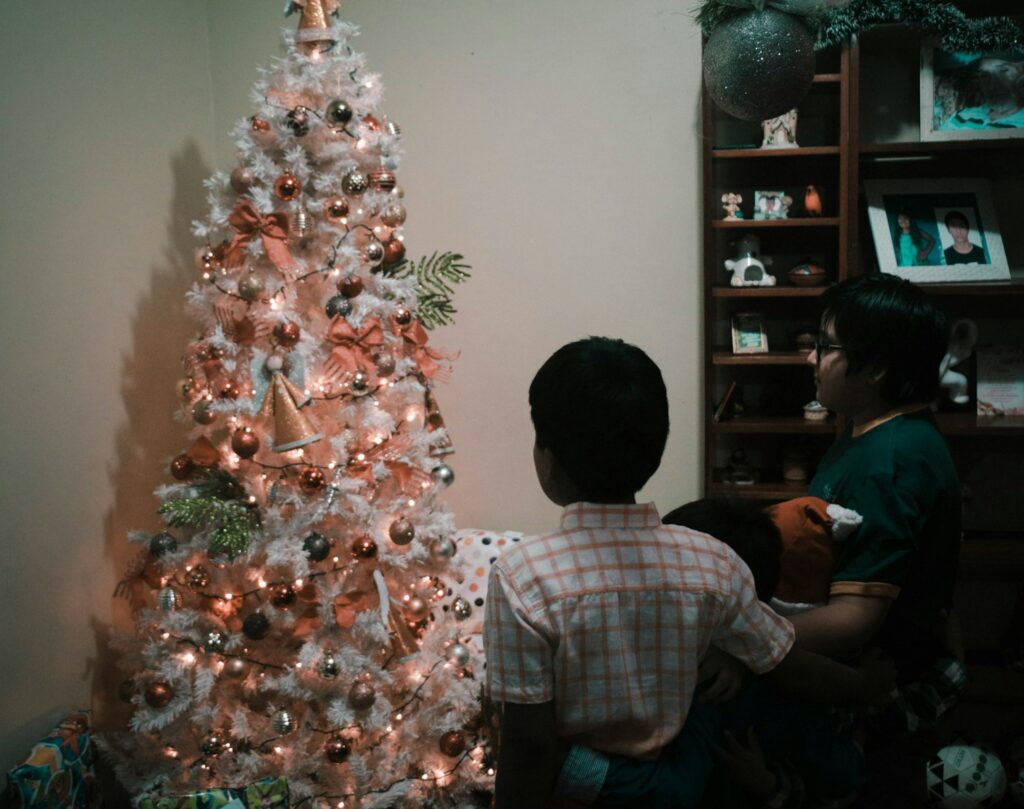
Check strings of lights and replace any burnt bulbs before you decide to toss the whole strand. A quick plug-in test saves you time next year and can keep otherwise fine decorations useful.
Inspect ornaments and garlands for cracks, missing hooks, or frayed wiring. Small repairs or new hooks can make most pieces holiday-ready again.
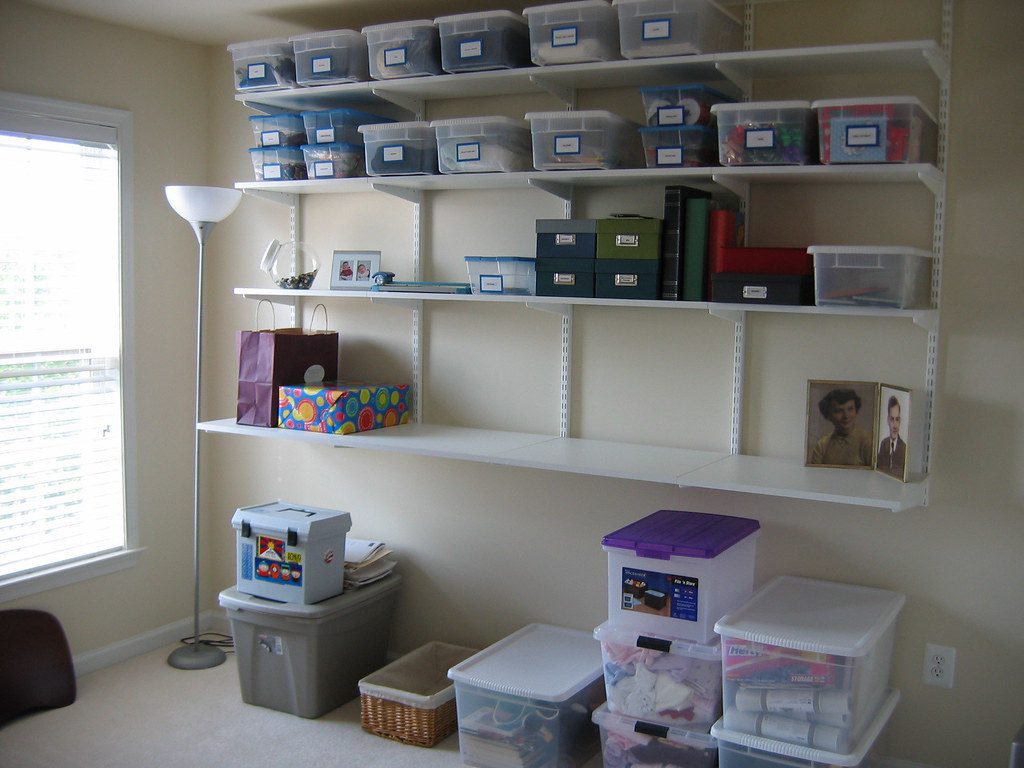
Store items in labeled, sturdy bins and keep fragile pieces cushioned. Clear labels mean less rummaging and more time enjoying the season.
Unopened paint cans
You might find unopened paint cans that still have plenty of life left. Check the date and store conditions; paints keep longer in cool, dry places with stable temperatures.
Look for rusted lids or swollen cans—those hint at contamination or freeze damage. If the paint stirs smooth and smells normal, it’s likely usable for touch-ups.
Labeling helps—note color, date, and the room you used it in. Properly stored paint saves trips to the store and keeps your touch-ups consistent.
Old tools that still work
You might find hand tools that still outlast newer, cheaper versions. Old hammers, planes, and wrenches often use thicker steel and solid construction, so they can perform well with minimal restoration.
Check for rust, loose handles, and missing parts before you decide. A light clean, oil, and a new grip can make many vintage tools fully usable again.
If a tool looks stamped with a maker’s name, it could be sought after by collectors or tradespeople. Consider testing function and listing photos before selling.
Books and board games in good condition
Check dust jackets, edition marks, and signatures on books; first editions or signed copies can sell for a premium. Keep spines intact and pages dry.
Inspect board games for complete pieces and original boxes; boxed, complete sets hold the most value. Out-of-print games or special editions often attract collectors.
Photograph condition and search comparable listings before you list items. Clean, well-documented items usually sell faster and for better prices.
Vintage clothing or accessories
You might find decades-old dresses, jackets, or handbags that still look good with a little cleaning. Check labels, fabrics, and condition; designer names, natural fibers, and intact hardware raise value.
Photograph items and search tags on resale sites to compare prices quickly. Even non-designer pieces from the ’70s–’90s can sell if they match current trends or are in great shape.
Store fragile pieces flat and away from light while you research. Dry-clean or gently wash only after you confirm market interest.
Stored family photo albums
You might find old photo albums in the basement that hold memories you forgot you had. Check pages for water damage, mold, or sticky backing before you ever open them wide.
If images look faded or pages feel brittle, move albums to a cool, dry spot and consider scanning favorites. Use archival-quality, acid-free boxes or sleeves to protect prints long term; avoid basements and attics when possible (see tips on protecting family albums).
More from Decluttering Mom: