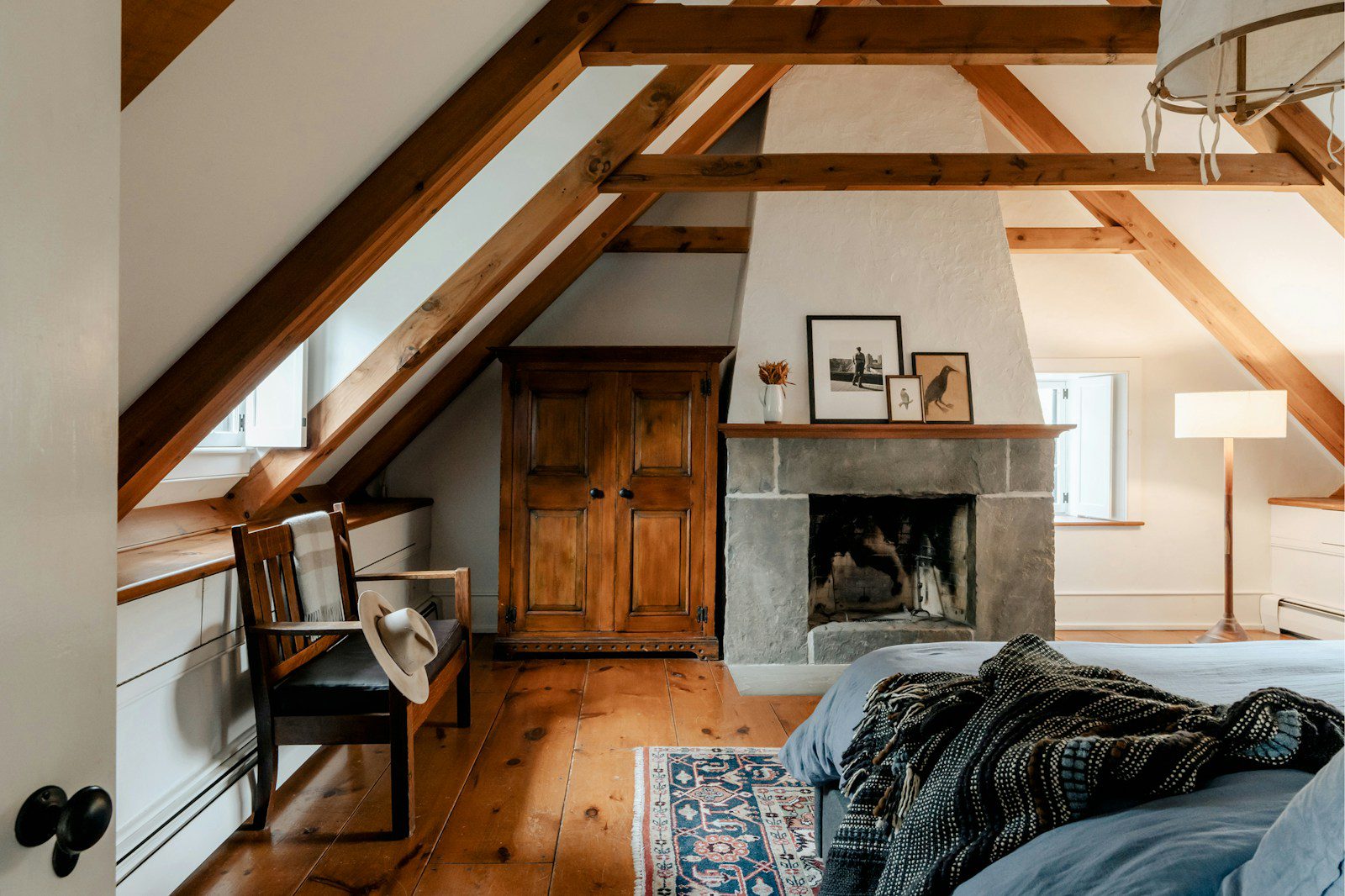
If you have an attic, you might be tempted to use it as extra storage space for all sorts of items. While it’s convenient to tuck things away up there, not everything is suited for the environment your attic provides.
Knowing what you should avoid storing in your attic can save you time, money, and hassle by protecting your belongings from damage. This guide will help you understand why some items don’t belong in your attic and what might be a better place to keep them.
Photographs and important documents
You should avoid storing photographs and important documents in your attic. The temperature and humidity can change drastically up there, which may cause your photos to fade or warp over time.
Paper items like birth certificates, passports, and deeds are especially vulnerable to moisture and pests in the attic. Instead, keep these in a fireproof safe or a cool, dry place inside your home to protect them.
Storing these items in the attic risks permanent damage and loss of memories. It’s better to find a safer spot where the conditions are more stable.
Vinyl records
You might be surprised, but your vinyl records don’t do well in the attic. The temperature there can get very hot in the summer and very cold in the winter.
Heat can cause your records to warp, which affects how they play. Cold, along with humidity, can also damage the album covers and inserts.
To keep your collection safe, find a cool, dry place with stable temperatures. This will help preserve both the sound quality and the artwork on your records.
Leather furniture or items
You should avoid storing leather furniture or items in the attic. The temperature changes and dry air can cause leather to crack and lose its softness.
Humidity fluctuations can also lead to mold or mildew, damaging the leather further. Instead, try to keep these items in a climate-controlled area where the environment stays stable.
If you can’t avoid the attic, use breathable covers to protect leather from dust while allowing air circulation. This helps preserve the condition of your leather over time.
Electronics and sensitive gadgets
You should avoid storing electronics and sensitive gadgets in your attic. Extreme heat in summer and cold in winter can damage their delicate internal parts.
Humidity and temperature swings can cause components to warp, lose function, or even stop working entirely.
If you need to keep electronics temporarily, make sure they are well-insulated and protected from moisture and temperature changes.
Keeping your devices in a climate-controlled space is the safest choice to maintain their lifespan and performance.
Clothing made of delicate fabrics
You should never store clothing made of delicate fabrics like silk, wool, or cashmere in the attic. The heat and moisture common in attic spaces can cause these fabrics to shrink, stretch, or lose their shape.
Delicate garments are often thinner and softer than regular clothes, so they need special care. Storing them in a cool, dry place helps keep them looking fresh and prevents damage.
If you want your fine clothes to last, avoid exposing them to extreme temperatures or humidity. Instead, consider storing them in breathable containers or garment bags in a safer spot.
Musical instruments
You should avoid storing your musical instruments in the attic. The temperature and humidity there often change a lot, which can cause wood to warp or crack.
These conditions can also make mold grow on your instruments, damaging their sound and structure. Keeping them in a climate-controlled space helps protect their quality.
If you don’t have a dedicated music room, try storing your instruments in sturdy cases inside a closet or another low-humidity area of your home. This will keep them safe and ready to play.