


When it comes to what you pass down to your kids, not everything is worth holding onto. Some items can create unnecessary stress or clutter for them later on. Knowing what to let go of can make a big difference in helping your children feel more comfortable and free.
You want to make sure your choices today support your family’s future well-being. Being thoughtful about what you keep and what you release can give your kids space to live their own lives without extra burdens. This article will help guide you on what to consider letting go of.
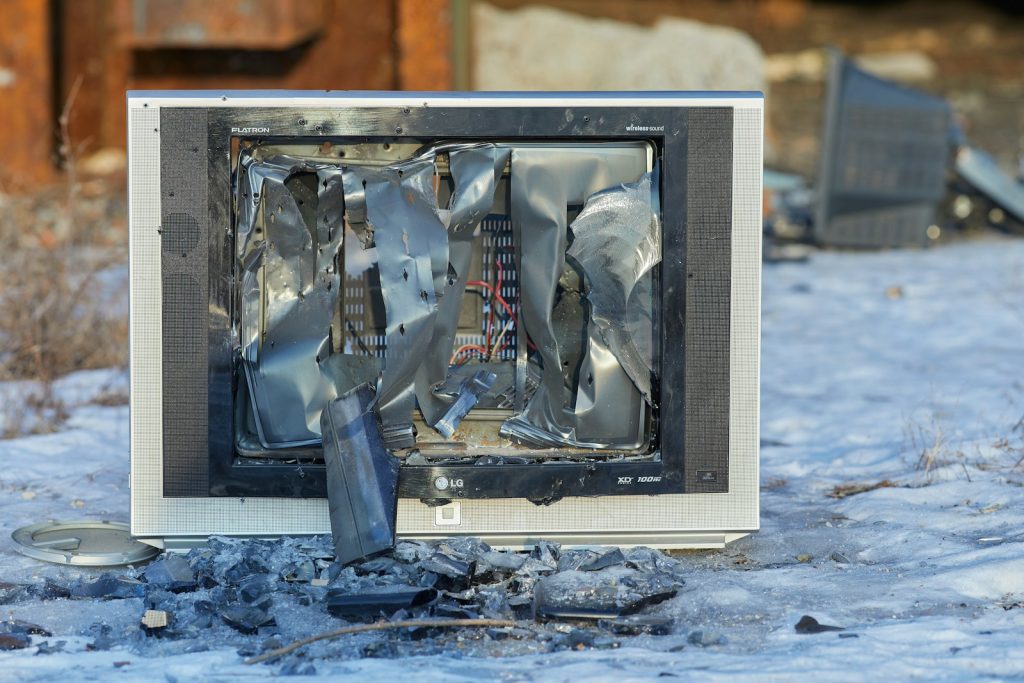
Outdated electronics like flip phones and old VCRs
You might find that your kids hold on to flip phones, old VCRs, or other outdated gadgets. These electronics usually take up space and rarely get used anymore.
Keeping them can create clutter and make it harder to organize your home. Plus, many of these devices can be recycled or responsibly disposed of.
Encourage your kids to let go of these items. It helps clear space and teaches them to value useful, current technology.
Unused kitchen gadgets gathering dust
You might find your kids holding onto kitchen gadgets they rarely use. Things like garlic presses or pasta makers might seem fun but often end up forgotten in drawers.
Encourage your kids to let go of these gadgets if they’re not useful. Keeping only the tools they actually use helps reduce clutter and makes the kitchen easier to navigate.
You can suggest donating or passing on unused items to free up space. This way, your kitchen stays organized, and your kids learn to value what they really need.
Broken or non-repairable appliances
You should not let your kids keep broken or non-repairable appliances. These items can pose safety risks, like electrical hazards or leaks, that put your household in danger.
If an appliance can’t be fixed, it’s better to replace it than keep it around. Holding onto broken appliances also takes up space and adds to clutter.
Encourage your kids to let go of these items early. It teaches responsibility and keeps your home safer and more organized.
Toys with missing pieces or safety risks
You should stop letting your kids keep toys that have missing parts. Small pieces can easily become choking hazards, especially for younger children.
Toys with sharp edges, loose components, or broken parts also pose safety risks. These can cause cuts, bruises, or other injuries during play.
Check toys regularly and remove any that show signs of damage. It’s better to replace or repair unsafe toys than to risk your child’s safety.
Excess clutter that adds no value
You probably have items your kids hold onto that don’t serve any real purpose. These things take up space but don’t bring joy or usefulness.
When your children keep broken toys, duplicates, or things they haven’t used in months, it just creates unnecessary clutter. Clearing these out helps make their space easier to manage.
Encourage your kids to regularly evaluate what they truly need or love. This habit prevents clutter from piling up and helps them appreciate what they keep.
Old clothes that no longer fit or are worn out
You might feel attached to your child’s old clothes, but keeping items that no longer fit or are worn out only adds clutter. If the clothes are damaged beyond repair or your child hasn’t worn them in a long time, it’s time to let go.
Consider donating gently used clothes to families in need. For clothes that are too worn, recycling or repurposing options help reduce waste. Keeping only the items your child currently wears makes it easier to stay organized and focus on what really matters.