I’ve always been fascinated by vintage china patterns and how they carry a piece of history with them. Over time, some patterns have become especially valuable, making those delicate dishes more than just pretty tableware. It’s interesting to see which styles have stood the test of time and why collectors are willing to pay more for them today.
If you’ve got an old china set tucked away, you might be surprised to learn about its growing worth. Understanding which vintage china patterns are worth more than ever can help you spot treasures you already own or guide you if you’re thinking about collecting. It’s a fun mix of history, art, and old-fashioned craftsmanship all wrapped up in those elegant designs.

Blue Willow Pattern
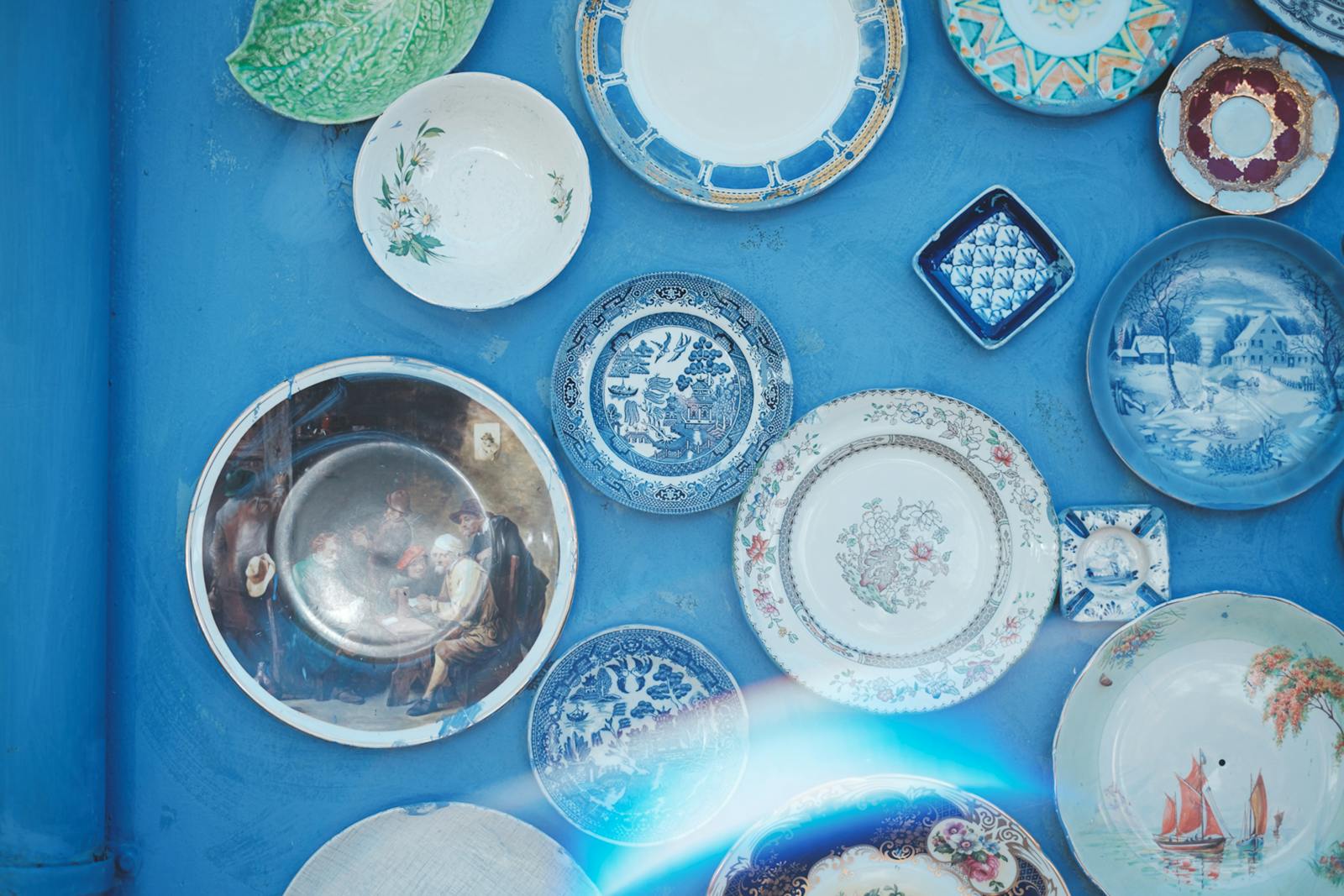
I’ve always been drawn to the Blue Willow pattern because of its classic blue and white look. It’s a design that dates back to the late 18th century and tells a charming Chinese-inspired story with castles, doves, and willow trees.
What’s cool is that Blue Willow combines English pottery styles with Asian motifs, making it a unique blend. Pieces made before mass production tend to be higher quality and can be worth more.
I’ve seen plates, teapots, and bowls with this pattern. They’re collectible and have a timeless feel to them. You can learn more about this design from sites like this Blue Willow China guide.
Royal Copenhagen Flora Danica
I’ve always been drawn to the Royal Copenhagen Flora Danica pattern because of its detailed botanical designs. It started way back in 1790 when the King of Denmark commissioned it, making it a real piece of history.
Each piece features hand-painted flowers taken from a famous botanical folio, which took over 100 years to finish. The charm of Flora Danica is in these tiny, precise illustrations that look like art on porcelain.
Collectors value these pieces not just for beauty but also for their quality and rarity. The older the item, the more it can be worth, especially if it’s in great condition. You can find a range of these pieces online, like at Replacements, Ltd..
Spode Christmas Tree
I’ve always loved the Spode Christmas Tree pattern. It first came out in 1938 and features a classic decorated tree with presents underneath.
What’s cool is the green trim that frames the plate, giving it that vintage holiday vibe. It’s become a staple for festive dinners in many homes.
If you want to find a set, places like eBay and Etsy usually have some interesting vintage pieces available. For me, it’s more than just china—it’s a holiday tradition. You can explore more about this pattern on Replacements, Ltd. or even check sets listed on Etsy.
Lenox Butterfly Meadow
I really like the Lenox Butterfly Meadow pattern because it brings a soft, natural vibe to the table. The design features delicate butterflies and floral motifs in pastel colors, which feels both fresh and timeless.
Each piece is made of high-quality porcelain, often with scalloped edges that add a nice touch of elegance. It’s a popular pattern that still feels modern despite being vintage.
If you want to check out more about this pattern or even collect pieces, there are places like Replacements, Ltd. that have a good selection of Lenox Butterfly Meadow china.
Wedgwood Jasperware
I’ve always been drawn to Wedgwood Jasperware because of its unique look. The blue background with white cameo designs really stands out.
These pieces aren’t just pretty; some are quite valuable, especially the older ones or rare colors. I’ve learned that items like trinket dishes and vases tend to hold their value well.
If you come across Wedgwood Jasperware, it’s worth checking if it’s authentic. Knowing a bit about the patterns and colors can help you figure out if you might have a gem on your hands. More details about this can be found in the Wedgwood Jasperware guide.
Noritake Black Velvet
I’ve always been drawn to the Noritake Black Velvet pattern. It’s got this deep, rich black background that really makes the gold detailing pop. The delicate hand-painted gold vines and flowers give it a classic yet elegant vibe.
What’s cool is that these pieces were mostly made in the early 1900s. That age, combined with the intricate design, has helped it become more valuable over time. Collectors like me keep an eye out for this pattern because it holds its value well.
If you find a set in good condition, it’s definitely worth holding on to or looking into more closely. You can learn more about valuable Noritake patterns here.