


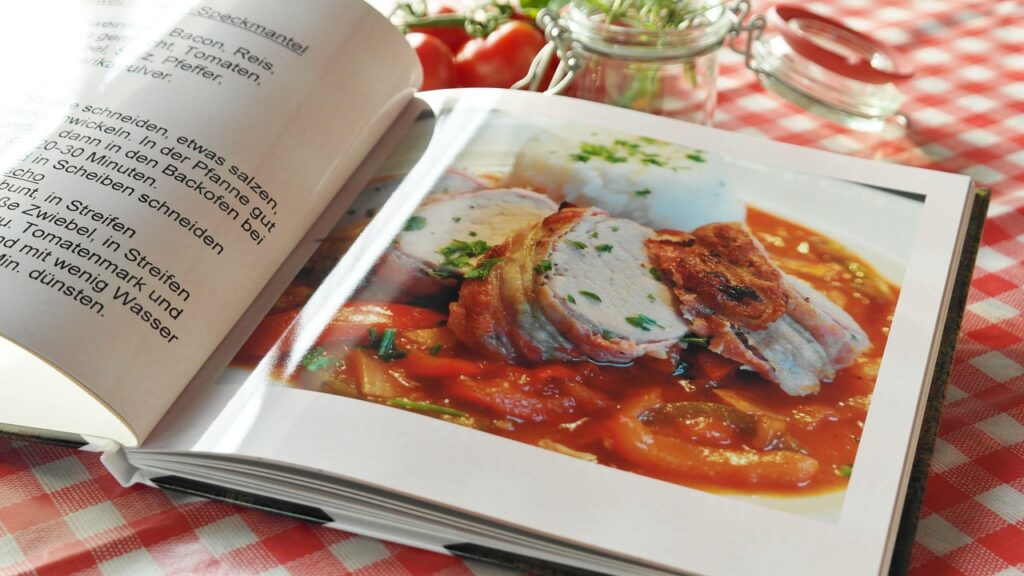
You probably have a cookbook tucked away that feels like a family heirloom — and some of those old volumes can fetch serious money. This article shows which seven antique cookbooks collectors seek and why certain editions command top dollar, so you can spot valuable copies in your own collection.
You’ll get a quick tour of landmark titles spanning early regional American works to influential 19th- and 20th-century guides, with reasons collectors prize first editions, rare prints, and cookbook history. Turn the page to learn what makes a cookbook both culturally important and financially desirable.

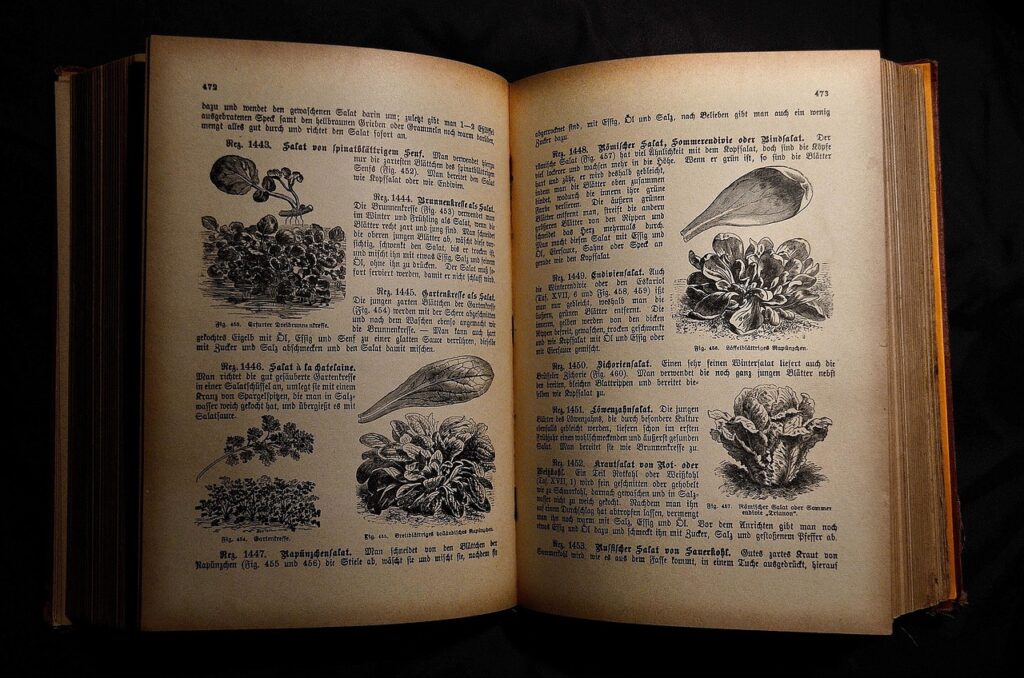
The Forme of Cury (c. 1390)
You’ll find The Forme of Cury at the root of English culinary history, a medieval collection compiled for King Richard II’s kitchen.
Its recipes mention early uses of spices and even an ancestor of macaroni and cheese, showing how global ingredients entered courtly food.
Collectors prize early editions and facsimiles; condition and provenance drive value.
Browse the British Library and facsimile editions like the 1780 Pegge transcription to verify authenticity and scarcity.
Mrs. Beeton’s Book of Household Management (1861)
You’ll recognize this Victorian classic as a go-to for domestic rules, recipes, and household tips first published in 1861.
Collectors prize early editions for their historical value and rarity, especially complete copies and those with original bindings.
The book began as serialized columns and grew into a comprehensive manual that shaped home cooking and servant management in Britain.
Look for signs of age, provenance, and edition notes when assessing value; condition and edition year drive price.
See the full 1861 text at Project Gutenberg for reference: Mrs. Beeton’s 1861 edition.
Joy of Cooking (First Edition, 1931)
If you stumble on a 1931 first edition of The Joy of Cooking, you’re holding a landmark in American home cooking. Collectors pay high prices for intact copies because early printings were small and survivors are rare.
Condition matters a lot — dust jacket, binding, and notes inside change value. For market listings and recent sales, check a reputable antiques roundup like Country Living’s piece on valuable cookbooks (https://www.countryliving.com/shopping/antiques/a69277875/).
Mastering the Art of French Cooking by Julia Child (1961)
You’ll recognize this as the cookbook that taught Americans classic French techniques.
First published in 1961, the book introduced detailed recipes and clear illustrations that made complex dishes doable at home.
Collectors prize first-edition copies, especially those in good condition with original dust jackets.
Find more on its history and editions at the Wikipedia entry for Mastering the Art of French Cooking.
American Cookery by Amelia Simmons (1796)
You’ll recognize this as the first known American-authored cookbook, a landmark in US culinary history.
Owning an original or early reprint can sharply raise a book’s value to collectors.
The text adapts British recipes to American ingredients and household needs, showing early national taste.
See a digitized copy of the 1796 edition at the Library of Congress for the authentic title page and publication details.
The Boston Cooking-School Cook Book by Fannie Farmer (1896)
You’ll recognize this as a landmark cookbook that introduced precise measurements and step-by-step directions to American kitchens. First published in 1896, it shaped modern recipe writing and remains collectible in original editions.
A first edition or early printing with a clean binding and intact pages can command high prices. Check condition, provenance, and whether it includes any original bindings or inscriptions when assessing value.
Explore a facsimile only for reading; collectors prioritize the original 1896 edition facsimile listing for comparison.
The Charleston Receipts Cookbook (1930)
You’ll recognize Charleston Receipts as a storied community cookbook first published in 1950, though some collectible editions and reprints are dated earlier or labeled by print run.
Its pages collect Lowcountry recipes, Gullah verses, and local sketches that reflect Charleston’s culinary history.
Collectors prize worn first editions and early printings for their cultural value and long print run.
Find copies through specialty bookshops or auction listings for the best chance at a genuine antique.
See a detailed history and modern availability at the Junior League’s Charleston Receipts listing (Preservation Society).
More from Decluttering Mom: