


Every home has spots that seem to cause more headaches than they’re worth. These areas often lead to accidents, damage, or ongoing maintenance problems, creating what you could call disaster zones. Knowing where these trouble spots are can help you stay safer and avoid costly repairs.
Understanding which areas of your house are prone to issues lets you focus your attention on preventing problems before they happen. That way, you can keep your home running smoothly and reduce stress over unexpected mishaps. This article will guide you through seven of these tricky zones.
Kitchen near the stove and oven
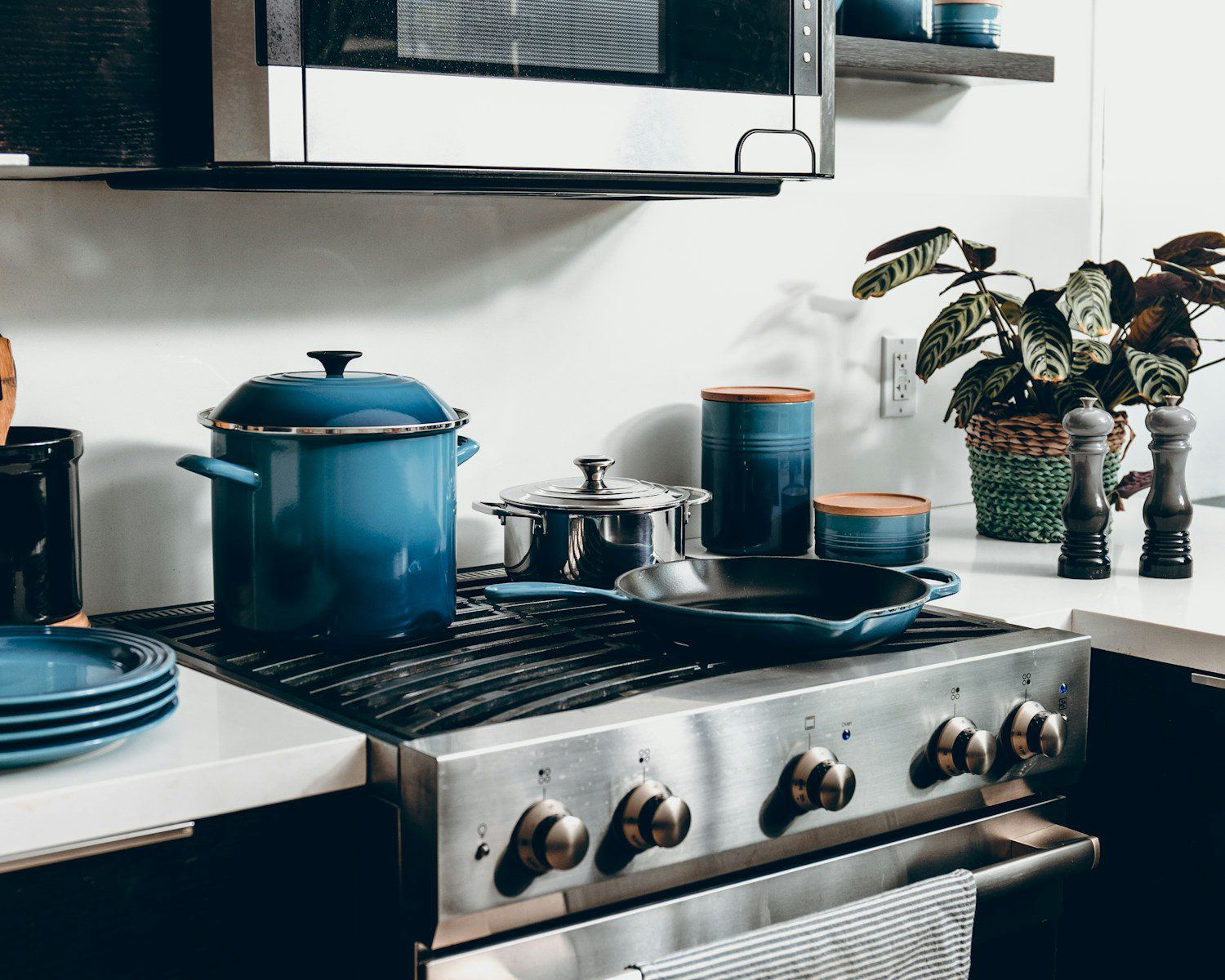
Your kitchen near the stove and oven often turns into a disaster zone. It’s easy for dish towels, oven mitts, and utensils to pile up where they don’t belong. These items can also be a fire hazard if they get too close to heat.
Keep a safe zone of at least three feet around the stove clear of anything flammable. This helps prevent accidents and keeps you safer when cooking. Also, avoid leaving the stove or oven unattended, especially when frying or boiling.
Finally, try to create a kid-free zone near these hot spots. That way, you reduce the risk of burns or other injuries during busy meal prep times.
Electrical panels and outlets
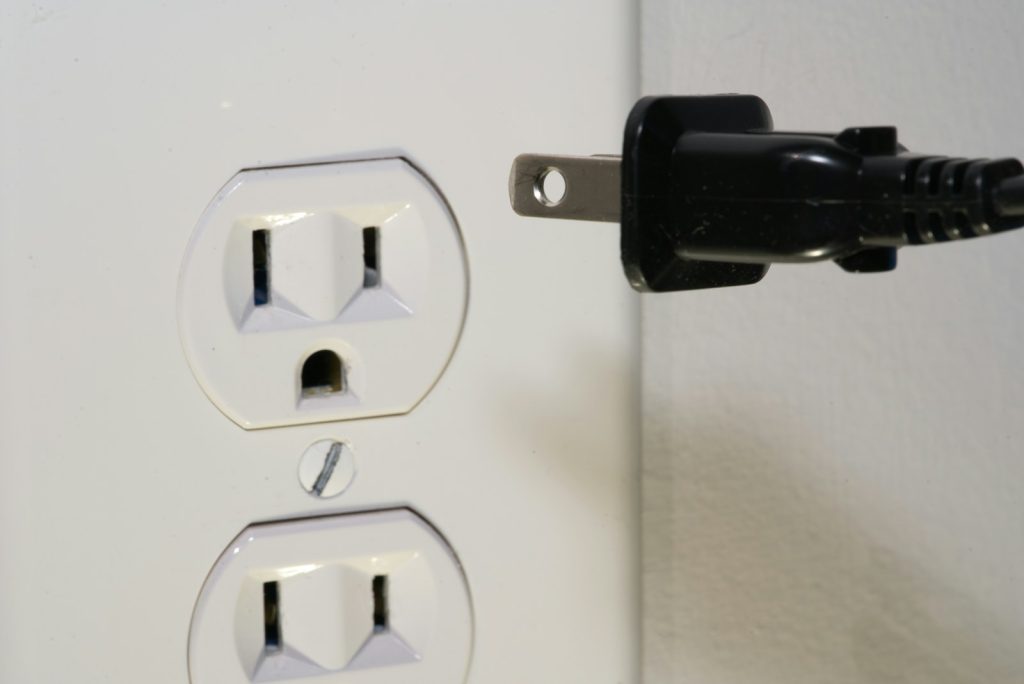
Your electrical panel is basically the home’s power control center. It sends electricity to all your outlets, lights, and appliances. Keeping this area clear and accessible is key to avoiding safety hazards.
Outlets often become clutter magnets, with cords tangled and things piled on top. Make sure outlets are placed where you actually use them to avoid messy extension cords everywhere.
For outdoor spaces, using outlets rated for wet conditions keeps things safe and functional. Planning ahead on outlet locations can save you a lot of headaches later.
Attic spaces with poor ventilation
If your attic isn’t ventilated well, it can quickly turn into a disaster zone. Poor airflow traps heat and moisture, leading to mold growth or even damage to your roof’s structure.
You might not notice the problem until energy bills spike or you see water stains inside your home. Keeping vents clear and balanced helps maintain a dry, cool attic.
Fixing ventilation doesn’t have to be a headache. Simple updates like adding soffit or roof vents can make a big difference in preventing issues down the line.
Basements prone to flooding
Your basement is often the first place water sneaks into during heavy rain or storms. Because it’s below ground level, water can easily seep through cracks or overwhelm drainage systems.
If you notice dampness or water pooling, it’s a sign that your basement’s waterproofing might need help. Cleaning gutters and checking sewer lines can help keep water out.
Flooding can cause damage and stress, so it’s smart to know how to prevent it and what to do if it happens. A waterproofing system could be worth considering, especially if you live in a flood-prone area.
Garage areas with flammable materials
Your garage is often the go-to place for storing stuff like gasoline, paint thinners, and propane tanks. These things can be a fire hazard if they’re too close to heat sources like water heaters or electrical outlets.
Clutter around these materials doesn’t help either. Rags, paper, and cardboard can catch fire fast and make the situation worse. Keeping everything clean and organized lowers the risk.
If you can, try to store flammables outside the garage in a well-ventilated spot. Just be careful not to keep them near anything hot or that can spark.
Bathrooms with old plumbing
If your bathroom has old plumbing, you’re likely dealing with worn-out pipes that can leak or corrode. Materials like galvanized steel or even lead pipes are common in older homes and can cause slow drains or water discoloration.
Old toilets can also be trouble, wasting water with faulty flappers or fill valves. Small fixes like replacing these parts can help, but sometimes the entire system needs an upgrade.
Clogs happen more often too, especially if the pipes are narrow or damaged. Using a toilet auger can clear blockages, but repeated problems might mean it’s time to call a pro.
Near dryer vents and laundry machines
You might not think much about the area around your dryer, but it’s a spot where lint buildup happens fast. Lint is super flammable and can easily cause a fire if it collects near the heating element.
Make sure you clean out the lint trap every time you use the dryer. It’s also a good idea to vacuum around the vent and inside the cabinet every few months. Clogged vents not only raise fire risks but can also make your dryer less efficient.
If it’s been a while since a deep clean, consider hiring a pro to clear out lint inside the machine and vent pipes every couple of years. It keeps things safer and running smoothly.