Decluttering advice is everywhere, but when you have kids, what sounds simple can quickly feel overwhelming. Your usual strategies might not fit the chaos of toys, clothes, and school stuff piling up daily.
The truth is, some popular decluttering tips need a reality check when kids are involved because your home’s needs change. Knowing this can help you avoid frustration and find better ways to keep your space manageable without losing your mind.
Just toss everything you don’t need (but kids’ stuff is way harder to part with)
When it comes to your stuff, tossing what you don’t need is usually simple and quick. You can decide what’s useful or broken and let it go without much guilt.
With kids, it’s a totally different story. Their toys, clothes, and drawings often feel tied to memories or milestones, making it harder to decide what to keep or toss.
You’ll find yourself holding onto duplicates or things missing pieces because of sentimental value. Getting your kids involved helps, but expect it to take more time and patience than you’re used to.
Set a strict schedule and stick to it (spoiler: naps and tantrums mess this up)
You might think setting a strict schedule will keep your day on track. In theory, it sounds perfect for managing clutter and chaos.
But kids don’t always follow the plan. Naps can be unpredictable, and tantrums will definitely throw off your timing.
Even if you try hard to stick to a routine, expect some days to go sideways. Flexibility becomes your best friend when schedules fall apart.
Declutter one room at a time (until a kid unloads toys everywhere else)
You might plan to tackle one room at a time, which works fine—until your kid decides to spread their toys all over the house. Focusing on one space feels manageable, but kids often don’t play by those rules.
When you clear one room, expect toys to pop up somewhere else quickly. It’s like a moving mess rather than a disappearing one.
You’ll need patience and maybe rethink strict boundaries. Setting limits with kids on where toys belong can help, but don’t be surprised if the chaos travels beyond your carefully decluttered zone.
Get the kids involved in sorting (and watch how fast they lose interest)
You might think getting your kids to help sort toys is a win-win. It sounds like a good idea until they quickly lose interest and wander off. Sorting isn’t thrilling for most kids, especially when it takes longer than a few minutes.
To keep them engaged, try turning sorting into a game or race. Otherwise, be ready to take over or keep sessions really short. Patience is key—it usually takes several attempts for kids to enjoy and understand the process.
Donate or sell immediately (easier said than done with sentimental kid stuff)
You know the idea: clear out the kids’ old toys and clothes right away. It sounds simple, but when it’s your child’s drawing or their first pair of shoes, it’s not that easy.
Sentimental items tend to pile up fast, and it’s normal to hesitate before letting them go. Sometimes you need a moment to decide if something really needs a new home or more time with you.
Still, aim to donate or sell gently used items quickly. It helps prevent clutter from taking over while making space for the things your kids actually use now. Just be realistic about what you can part with without guilt.
Use baskets and bins and expect them to stay organized (they won’t)
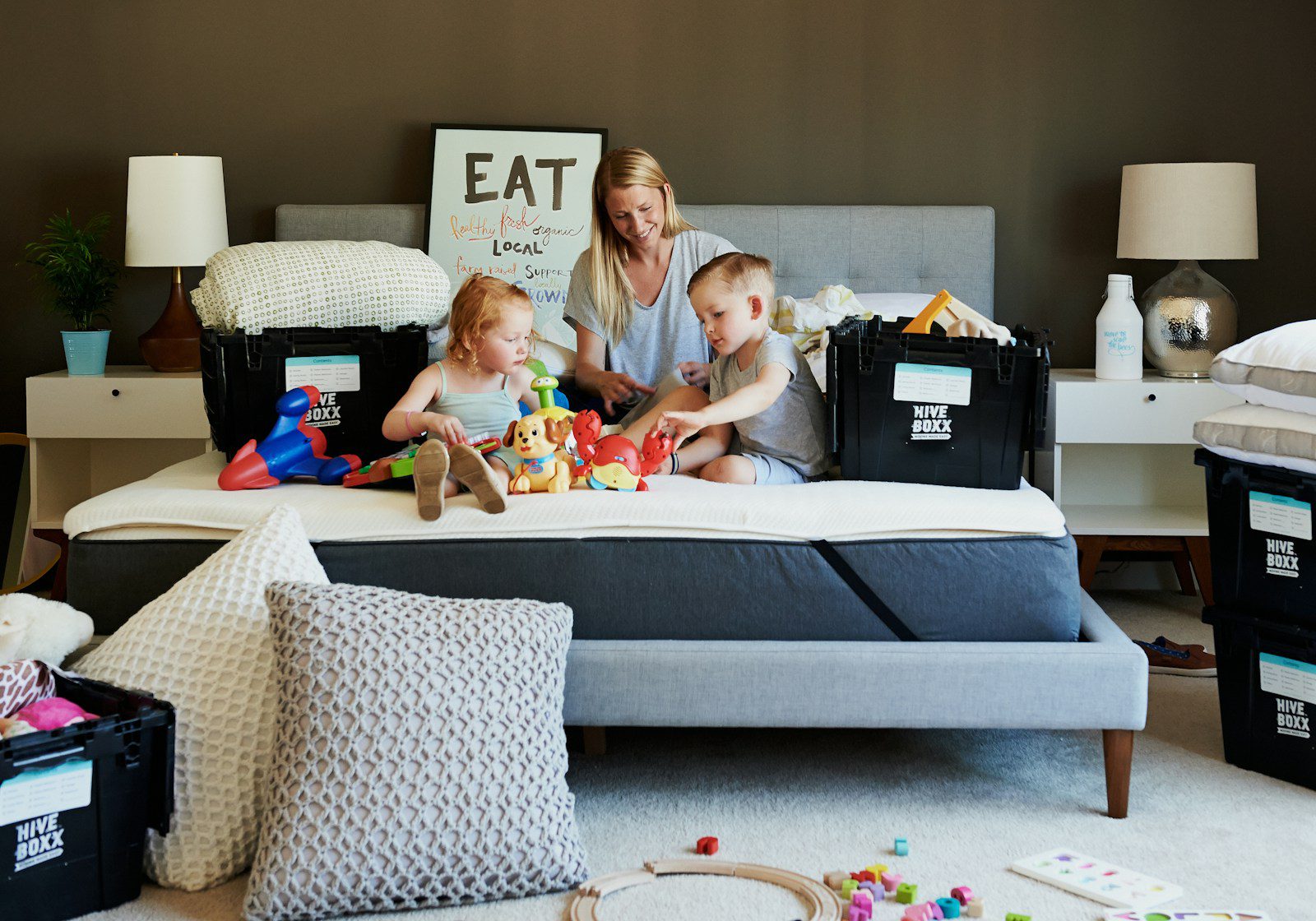
You might think tossing toys or clothes into baskets and bins will keep your space neat. Spoiler: it rarely stays that way with kids around. They’re experts at pulling everything out fast, turning a tidy bin into a chaotic pile in minutes.
Baskets and bins are great for quick cleanup, but they don’t magically solve the mess. You’ll find yourself constantly sorting through mixed-up items and trying to get things back where they belong.
If you rely on bins, be ready to empty and reorganize regularly. It’s about managing the chaos, not preventing it entirely.
Declutter while kids nap (but naps are unpredictable, so good luck)
You might think nap time is the perfect chance to tackle clutter. It can work if your little one naps on schedule and for a decent stretch.
But naps rarely follow a plan. One minute you’re sorting toys, the next the baby’s up and needing you.
Focus on small, quick tasks during naps—like sorting drawers or organizing photos. Don’t try to take on an entire room; that usually sets you up for frustration.
If the baby’s content in a bouncer or swing, use that time wisely, but remember to rest when you need it too.