


You grew up in a time when convenience and innovation shaped everyday life, and many household staples felt perfectly normal. As you revisit familiar products from that era, you’ll see how safety knowledge has changed and why items once trusted now raise concerns.
This article shows which common products from the boomer years later drew health warnings and why those shifts matter for your home and choices today. Keep following to learn how past norms became modern warnings and what to watch for around the house.
Lead-based paint

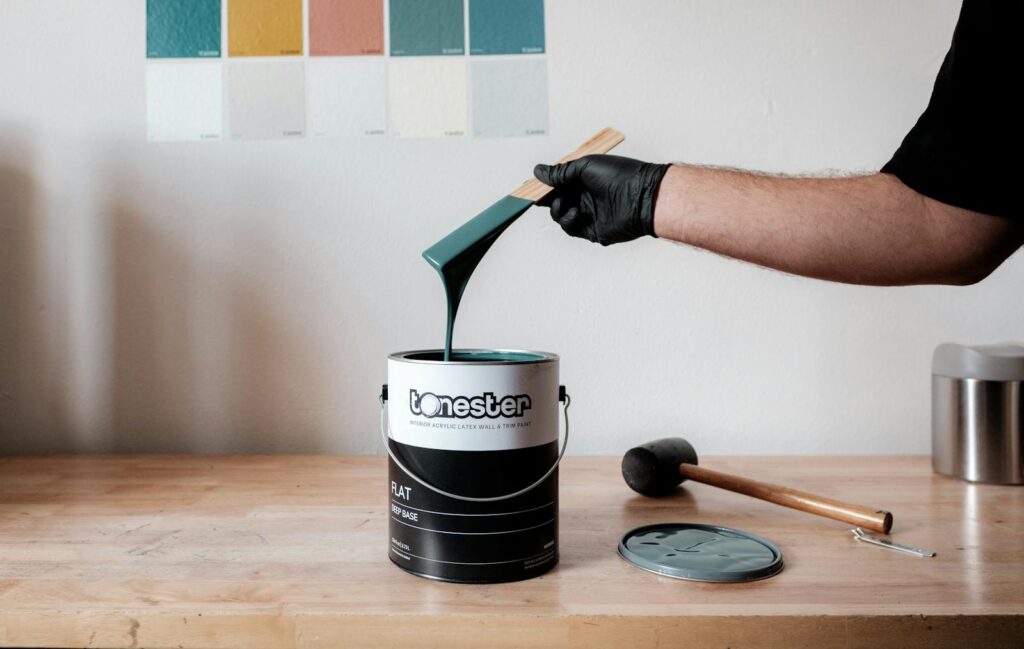
You probably grew up around glossy, colorful paint that seemed harmless. Homes built before 1978 often used lead-based paint because it was durable and bright.
If you renovate or disturb old paint, tiny lead dust particles can pose real risks, especially to kids. Learn how to spot potential lead paint and hire certified professionals for safe removal or testing from the EPA’s guidance on lead dust rules (https://www.epa.gov/system/files/documents/2024-10/factsheet_final-lead-rule.pdf).
Asbestos insulation
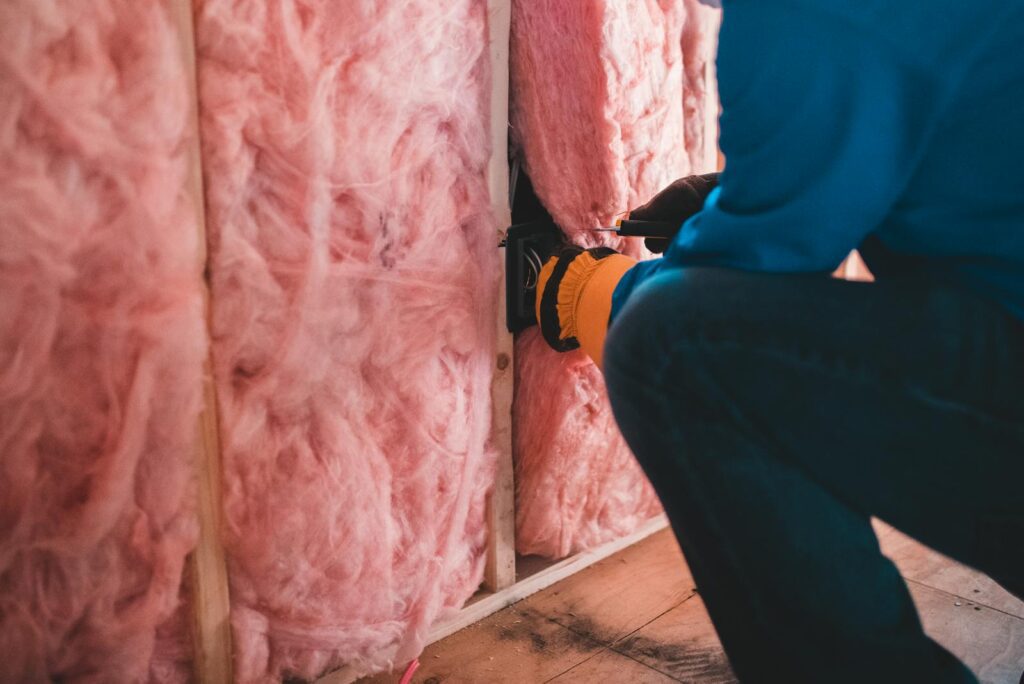
You probably lived with asbestos insulation in walls, attics, or around pipes if your home dates before the 1980s. Disturbing it—during renovations or repairs—can release fibers you breathe in.
Those fibers can cause lung disease decades later, so avoid DIY removal. Hire a licensed professional and check local rules before touching suspected materials.
Learn more about common asbestos-containing materials and risks at Mesothelioma Help.
DDT insecticide
You probably remember DDT as the “miracle” spray many households and farms used after WWII. It killed mosquitoes and crop pests effectively, but scientists later linked it to environmental harm and persistent residues in food chains.
Regulators phased out most uses in the 1970s, though limited indoor spraying still helps control malaria in some regions today. Read more about DDT’s history and status from the EPA.
Chlordane pesticide
You might remember homes treated for termites with chlordane, a once-common insecticide used widely from the 1940s to the 1980s.
Its use stopped because it persists in soil and can build up in body fat, raising health and environmental concerns.
If your house had an underground barrier or soil treatment, residues can linger for years.
Check government guidance on persistent pesticides like chlordane before renovating or gardening; consult the EPA’s archived factsheet for details.
Radium-based luminous paint
You probably remember glowing watch dials and instrument panels from older photos and films.
Workers painted those faces with radium paint and often licked brushes to shape the tip, unknowingly ingesting radioactivity.
Those painters later developed serious illnesses, which helped expose the danger and change workplace rules.
Read more about the history and health fallout from the radium dial workers at the History Channel’s account of the Radium Girls.
Mercury in thermometers
You probably remember glass thermometers with a shiny silver line that climbed as you waited. Those contained elemental mercury, which releases toxic vapor if the glass breaks.
By the late 20th century many places began restricting or banning them, and digital or alcohol thermometers became common alternatives. If you still have one, treat it as household hazardous waste and check local disposal options like the EPA guidance (mercury thermometers).
Paraben cosmetics
You probably used lotions, shampoos, and makeup with parabens without thinking about them. These preservatives kept products from spoiling and were common in drugstore brands.
Scientists later raised concerns about possible hormonal effects and environmental buildup, though major regulators say common parabens are safe at low levels. If you prefer to avoid them, check labels for names like methylparaben or butylparaben and choose products labeled paraben-free.
More from Decluttering Mom: