You’ll want to know which early-1900s pieces can actually add serious value to your home or wallet and which ones just take up space. This guide shows seven interior antiques from the 1900s that commonly sell for thousands and seven that typically don’t, so you can spot authentic worth versus decorative fluff.
Move through the styles and makers that matter—from Art Nouveau armchairs and Tiffany lamps to Mission oak and Edwardian desks—so you’ll feel confident identifying pieces worth hunting for or letting go. Keep an eye on condition, maker marks, and provenance; those details usually separate a keep-worthy treasure from a well-loved but low-value item.
Art Nouveau Armchairs
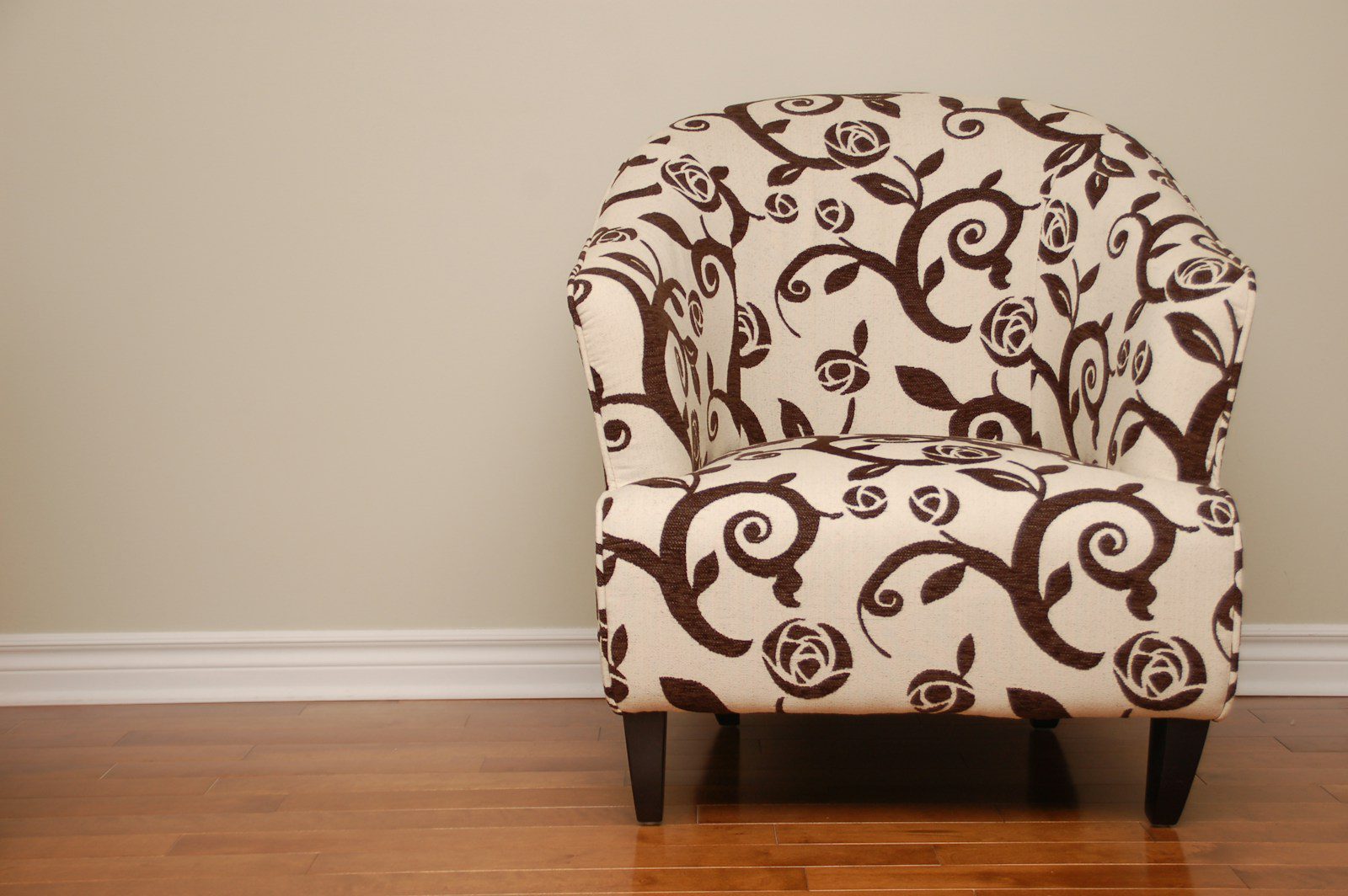
You’ll spot Art Nouveau armchairs by their flowing lines, nature-inspired carvings, and fine woods. Authentic pieces from makers like Louis Majorelle can fetch high prices at dealers and galleries.
Condition and provenance shape value more than style alone. If your chair needs reupholstery it still might be worth thousands, but undocumented or heavily altered examples often sell for far less.
For buying or valuing, check dealer listings and auction catalogs for comparable pieces and maker names. See specialized galleries for authenticated examples.
Mission Style Oak Furniture
You’ll spot mission oak by its straight lines, exposed joinery, and sturdy feel.
Early pieces from the Arts and Crafts era can fetch high prices, especially with original finish and maker marks.
Reproductions are common and usually worth far less, so check for age, patina, and construction.
Compare listings on specialist marketplaces like 1stDibs for price ranges and examples of authentic mission oak.
Tiffany Stained Glass Lamps
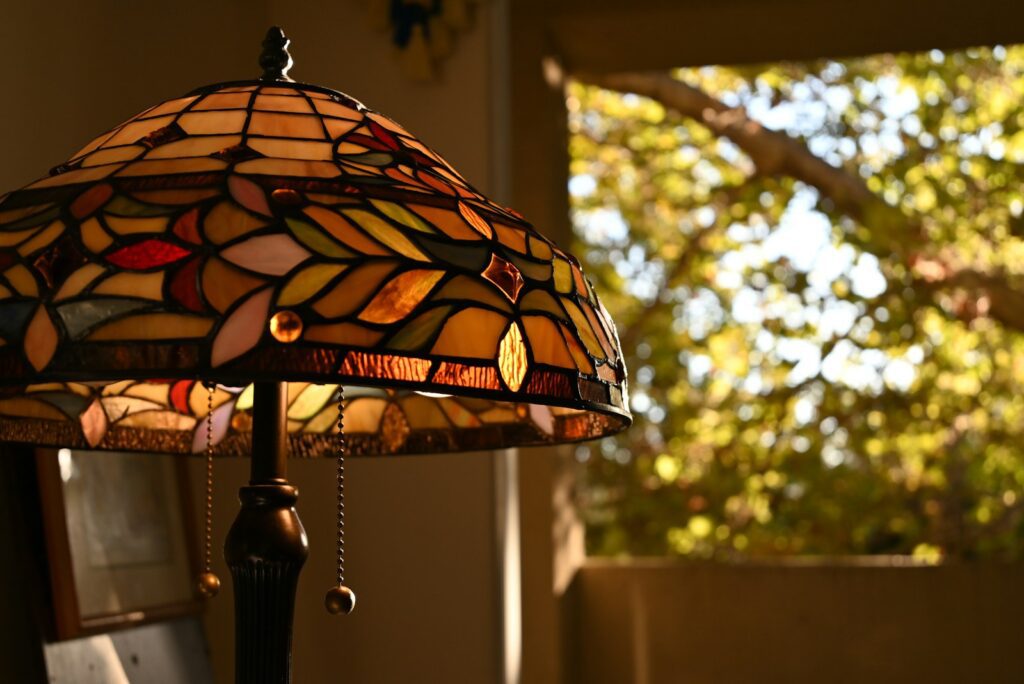
You’ll spot Tiffany lamps in high-end auctions and museum displays, often fetching thousands when authentic.
Original Tiffany Studios pieces made before 1928 can be rare and valuable; reproductions are common and much cheaper.
Learn identifying traits like copper-foil glass, signed bases, and complex leaded patterns to protect your wallet.
If you think you found an original, consult a reputable specialist or auction house for authentication before buying.
See an example of a top-selling piece and its auction record at Christie’s for context.
Edwardian Mahogany Desks
You’ll spot Edwardian mahogany desks with clean lines and restrained ornamentation that suit modern rooms.
They often command high prices when in original condition and with quality veneers.
If the finish, hardware, or drawers have been heavily restored or replaced, value drops quickly.
Check listings like those for Antique Edwardian Mahogany Desk on 1stDibs to compare realistic prices before you buy.
Vintage Persian Rugs
You can find authentic early-1900s Persian rugs that sell for thousands when they show hand-knotted craftsmanship, natural dyes, and a well-preserved pile.
Look for regional patterns like Tabriz or Heriz and check condition closely; repairs and heavy wear cut value fast.
If you just want vintage charm, many affordable machine-made or heavily restored rugs mimic the look without the investment.
For guidance on styles and valuation, see this overview of Persian Rugs: Antique & Vintage Styles, Value.
Handcrafted 1900s Porcelain Vases
You’ll often find early 1900s porcelain vases show clear handcrafting—slight asymmetry, hand-painted motifs, and fired glazes that vary across the piece. Those details can make a vase more desirable to collectors.
Don’t expect every porcelain vase from that era to be worth thousands; condition, maker marks, and provenance matter more than age alone. Check listings on sites like 1900s Porcelain Vase – Etsy for a sense of styles and price ranges.
Antique Brass Candleholders
You can find brass candleholders that sell for thousands when they show fine craftsmanship, original patina, or maker’s marks.
Smaller, mass-produced pieces from the 1900s usually fetch modest prices, often under $100.
Check listings to compare — platforms like 1stDibs show high-end examples alongside lower-priced items.
Condition, provenance, and uniqueness determine whether your brass candleholders are valuable or not.
More from Decluttering Mom: