Spring cleaning can feel overwhelming, especially when you want to get everything done right. Many people jump in without a clear plan, which often leads to frustration or unfinished tasks.
The key to a successful spring clean is knowing the common mistakes to avoid so your efforts don’t go to waste. Understanding these can help you save time and make your space feel truly refreshed.
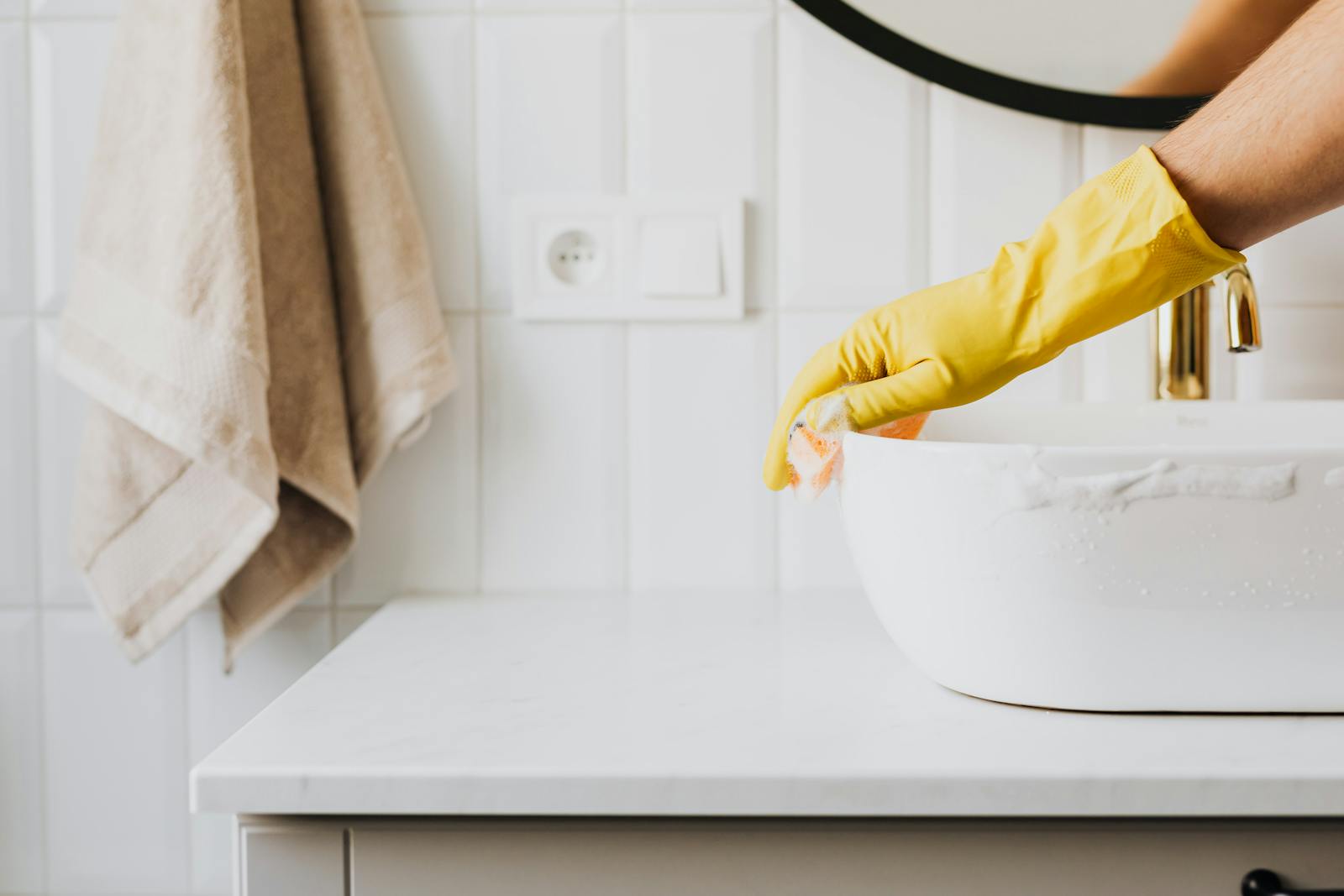
Skipping a plan before starting
If you dive into spring cleaning without a plan, you’ll probably feel overwhelmed quickly. You might waste time jumping from one task to another without making real progress.
Taking a few minutes to map out what you want to tackle helps keep you focused. It also means you can break big chores into smaller, manageable steps.
Having a clear plan lets you use your time more efficiently and avoid burnout. Plus, you’ll be less likely to miss spots or forget important tasks.
Using harsh chemicals everywhere
You might think stronger chemicals mean a cleaner home, but using harsh cleaners all over can actually cause more harm than good. They can damage surfaces or leave unpleasant residues that stick around longer than you want.
Plus, these chemicals can irritate your skin, eyes, or lungs, especially if you use them without proper ventilation. It’s better to save the heavy hitters for tough spots and try milder alternatives for everyday cleaning.
Sometimes, natural or homemade solutions work just as well without the risk. So, don’t feel like you have to spray everything with harsh stuff—gentler options often do the trick.
Cleaning clutter instead of clearing it first
When you dive into spring cleaning, it’s easy to start wiping surfaces without dealing with the clutter first. But cleaning around piles of stuff just means you’re not really making progress.
You should clear out the clutter before you clean. This makes it easier to reach every corner and prevents you from moving dust and dirt around.
Start by sorting through items quickly—keep, toss, or donate. Once the clutter is gone, your cleaning will be more effective and less frustrating.
Ignoring high-touch surfaces
When you spring clean, it’s easy to miss places you touch all the time. Door handles, cabinet knobs, and light switches collect germs and dirt without you noticing.
These spots are small but important. If you skip them, you leave behind bacteria and viruses that can spread.
Make it a habit to wipe down these surfaces regularly. It only takes a few minutes but makes a big difference in keeping your home cleaner and safer.
Not washing cleaning tools regularly
If you don’t clean your cleaning tools, you’re just spreading dirt around. Think about your mop, sponges, or brushes—they get grimy fast and can harbor bacteria.
Washing them regularly keeps your tools working well and your home actually clean. Plus, it helps prevent unpleasant smells from building up in your gear.
Make it a habit to rinse and dry your tools after each use. Every now and then, give them a deeper clean or replace them if they’re worn out.
Rushing through tasks without breaks
When you try to finish everything all at once, it gets overwhelming fast. You might feel rushed and miss spots or do a sloppy job.
Taking short breaks helps you stay focused and prevents burnout. It’s easier to keep energy up when you pace yourself.
Set a timer or schedule specific times for each task. This way, you avoid hurrying and get more done with better quality.
Forgetting to clean electronics carefully
When spring cleaning, you might rush through your gadgets without thinking. Electronics like phones, laptops, and headphones need gentle care to avoid damage.
You should avoid harsh chemicals or too much moisture. Use a soft cloth and appropriate cleaners designed for screens and sensitive surfaces.
Taking a little extra time to clean your devices properly helps keep them working well and looking good. Don’t overlook this step—it’s easy to forget but important.