


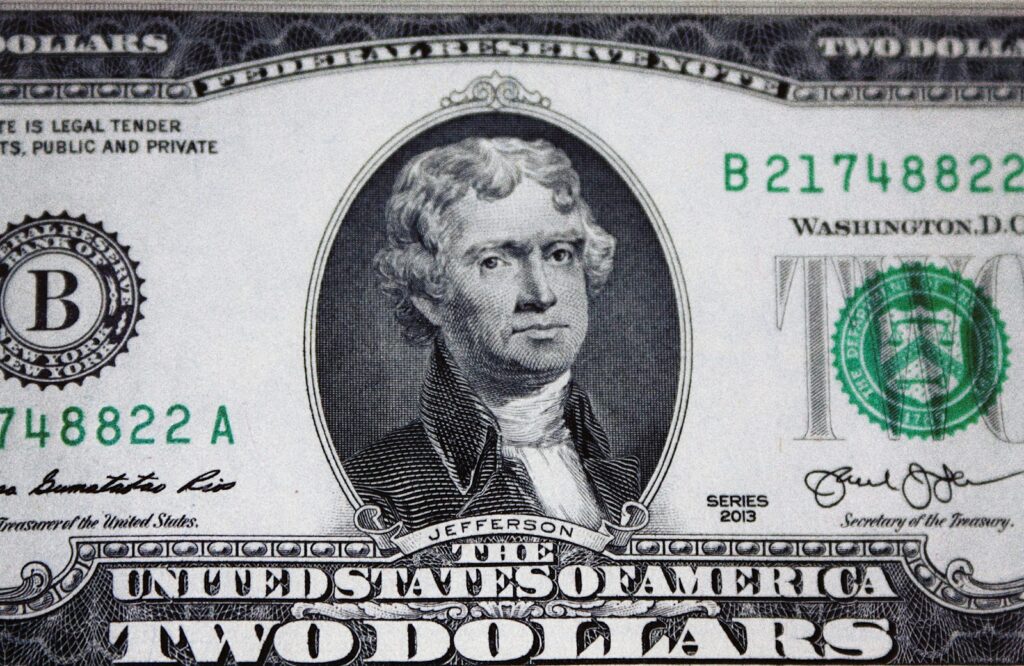
You probably treat a $2 bill like a novelty, but certain notes can hold hidden value that outstrips their face amount. Keep a rare $2 bill and you might preserve a collectible worth significantly more than $2, so it pays to know when a note deserves a second look instead of a quick spend.
This article walks you through the reasons collectors argue against spending rare $2 bills — from sought-after serial numbers and printing quirks to historical prints and future auction potential. Stay with the piece to learn how a small bill can become a meaningful piece of American history in your hands.
They could be worth way more than $2 someday.

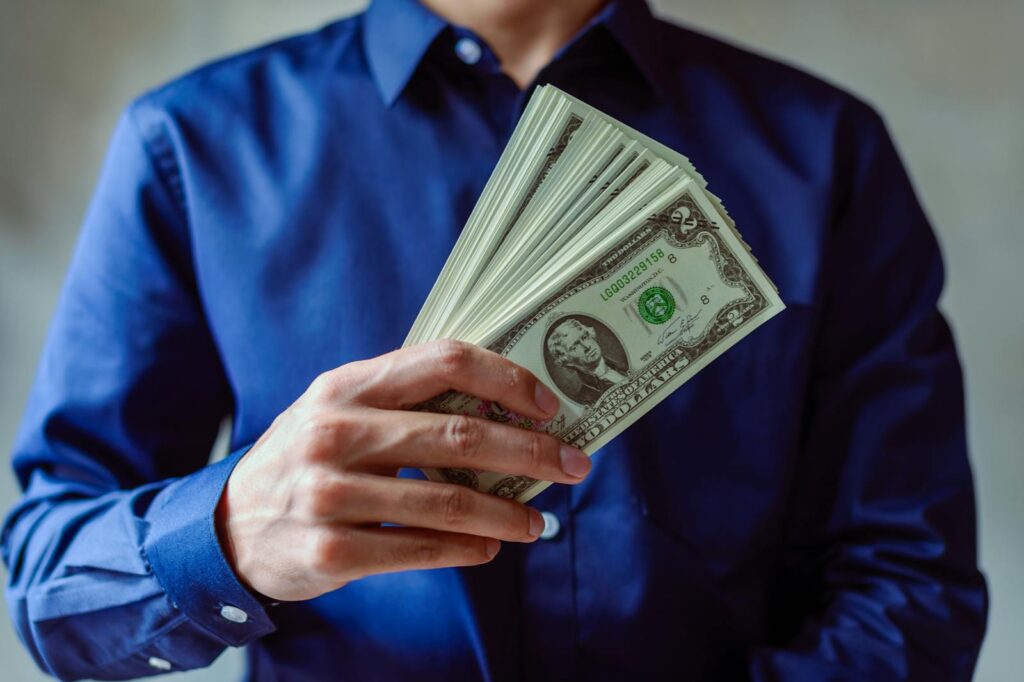
You might think a $2 bill is just pocket change, but collectors pay premiums for rare runs, low serial numbers, and unusual seals. Some notes from older series already fetch thousands at auction — check examples like this report on high-value $2 bills.
Keep yours safe in a sleeve and avoid folding it. A well-preserved bill can appreciate if demand rises or a specific print becomes scarce.
Collectors prize certain serial numbers and prints.
You’ll find collectors chase “fancy” serials — ladders, radars, binaries, and neat repeats — because they’re identifiable and rare.
A low-run or solid serial can lift a bill’s value well above face, especially in crisp condition.
Printing quirks and older plate variants also attract buyers who track print runs and anomalies.
If your $2 carries one of these features, it can be worth checking a collector guide or using an online checker like the Fancy Serial Number Checker.
$2 bills with historical prints are rare finds.
You can spot notes with older red seals, portrait variations, or special printing runs that collectors hunt for.
Those features often tie a bill to a specific era, increasing interest beyond its $2 face value.
If you’ve got a crisp or well-preserved example from 1928, 1953, or 1963, it may attract attention.
Check condition and distinct markings before spending; some bills sell for multiples of face value on collector markets like the ones described at Why Rare $2 Bills Should Be Saved, Not Spent; The Hidden Value Explained.
Spending them now means losing potential auction value.
If you spend a rare $2 bill, you can’t reclaim its auction premium later. Collectors pay for scarcity, condition, and provenance, so intact bills often attract higher bids.
Holding gives you time to find the right market or specialist auction house. Learn what similar notes fetch at auction insights on collectibles before deciding to part with yours.
They’re like pocket-sized pieces of American history.
You can hold a small chapter of the past in your wallet when you carry a $2 bill.
Design elements, portraits, and dates capture moments in U.S. currency design and policy.
Collectors value them for stories they tell, not just face value.
If you spend one casually, you might lose a tangible link to a historical era or printing variation.
Museums and archives treat some notes as artifacts, so consider whether your bill belongs in circulation or a collection.
Some bills have unique printing errors that boost value.
If you find a $2 bill with an obvious misprint, hold onto it — serious collectors pay more for clear errors.
Errors like off-center prints, missing ink, or doubled images can raise value because they’re visually distinct and scarce.
Check serial numbers and plate positions too; certain error runs from past printings attract attention.
Learn how to spot and verify errors before spending by comparing to known examples like those covered in recent articles on misprinted bills (see CNBC).
Holding onto them keeps a cool collector’s item safe.
You can keep a $2 bill as a tangible piece of rare currency history. It’s compact, easy to store, and often sparks curiosity when people see it.
If you protect it from folding, moisture, and sunlight, the note holds more appeal to collectors. Proper care can make your bill more desirable without needing expensive displays.
More from Decluttering Mom: