You probably spot things in Grandma’s kitchen that seem ready for donation, but some items carry more value than you might expect. You’ll learn why a few well-worn, sentimental, or still-useful pieces deserve a second thought before you pass them along.
This article walks you through common kitchen items that look expendable but can hold practical use, family history, or replacement costs that surprise you. Keep an open mind as you consider what to keep, what to repurpose, and what truly should go.
Heirloom Pyrex mixing bowl set (vintage curvy glass bowls)
You might find a nested set of curvy Pyrex bowls tucked away in a cupboard.
These vintage pieces often carry collectible patterns and date stamps that affect value.
Check bowls for chips, crazing, and clear markings before donating.
If you want to sell or keep them, search completed listings to gauge demand—many buyers look for specific patterns and sizes, especially nesting sets listed on sites like eBay.
Cast-iron skillet seasoned with years of use (no brand needed)
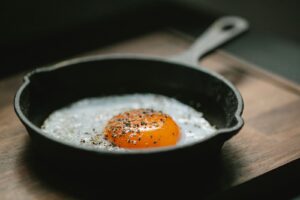
You should think twice before donating a well-seasoned cast-iron skillet.
Its built-up seasoning creates a natural nonstick surface and deep flavor that takes years to develop.
If the skillet has no cracks and the cooking surface is smooth, your heirloom could keep serving a new family for decades.
Lightly clean and oil it first so the next cook sees the value you preserved.
Antique wooden rolling pin with hand-turned handles
You might find a solid wooden rolling pin with hand-turned handles tucked away in a drawer.
These often date from early 20th century and show careful craftsmanship, making them appealing to collectors and decorators.
Check for wear, cracks, or painted surfaces that might contain old finishes.
If it’s in good condition, it can be useful in the kitchen or sold to an antiques buyer; if damaged, consider keeping it as rustic decor.
For similar examples and market listings, see antique rolling pins on Collectors Weekly.
Hand-stitched quilted pot holders grandma made
You’ll often find pot holders sewn from quilt scraps that carry family patterns and memories.
They’re sturdy, practical, and sometimes better insulated than store-bought pads.
Before donating, check for worn batting or loose stitching you could repair.
Even a small mend keeps the piece useful and preserves a bit of family history.
If you decide to pass one on, include a note about its origin and care to keep the story alive.
Vintage Ball Mason jars still used for canning
If you inherited blue Ball Mason jars, you can often keep using them for canning as long as the glass shows no cracks or deep chips.
Check threads and rims carefully; damaged glass or warped lids can break seal integrity and raise safety risks.
Modern two-piece lids fit many vintage jars, but confirm fit before canning.
Learn more about jar safety and updates from the Penn State Extension canning guidance.
Old family recipe box with handwritten index cards
You might find a battered box of handwritten recipe cards that smells faintly of cooking and memories.
Those cards hold family techniques, ingredient tweaks, and notes that photos or apps rarely capture.
Treat the box as heirloom material; scan or copy cards before donating so the recipes stay in your family.
If you decide to keep just a few, choose ones tied to holidays or signatures you want to preserve.
Consider sharing digital copies with relatives — it keeps the food and the stories alive.
Porcelain gravy boat with hairline crack but sentimental value
You may spot a porcelain gravy boat with a fine hairline crack and think it’s scrap.
If it belonged to your grandmother, the bowl of memories often outweighs market value.
Keep it for family meals or display it where you’ll see it daily.
A hairline crack can signal authenticity; it doesn’t always mean the piece is unusable.
Label its flaw and handle gently when serving.
You can also photograph and document its story to preserve the memory for future generations.