When I started planning my yard sale, I quickly realized that not everything I wanted to get rid of was a good idea to put out for sale. There are certain items that can cause problems or just won’t attract buyers, which can make the whole experience less successful and more stressful.
Knowing what not to sell at a yard sale can save you time, hassle, and potential legal trouble. I’ve put together a list of seven things I learned to avoid selling, so you can have a smoother, more enjoyable sale without any surprises.

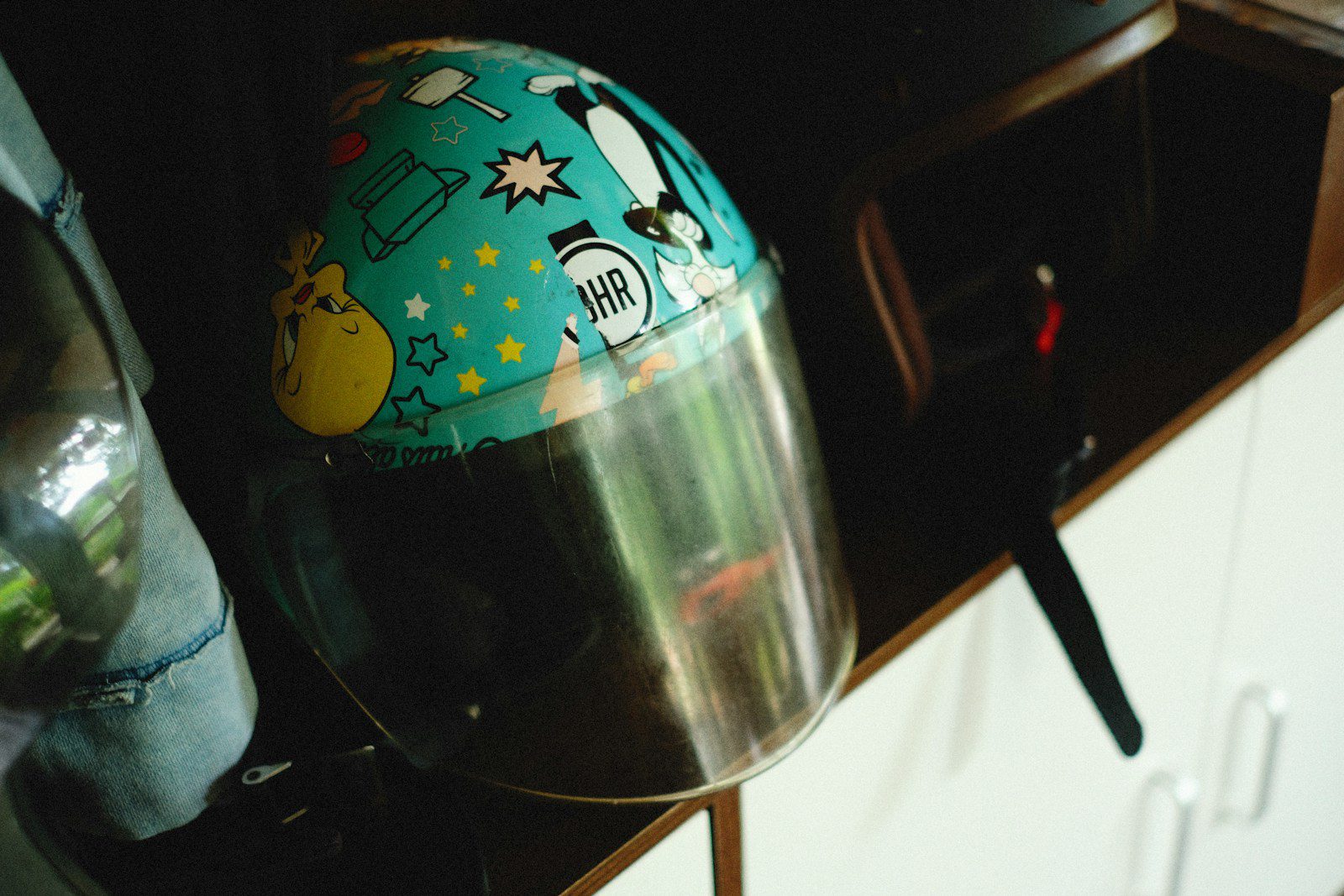
Used helmets
I never feel comfortable selling used helmets at yard sales. Helmets are meant to protect you from a single impact, and even tiny damage can make them unsafe.
You can’t always see the wear and tear, but it can still weaken their effectiveness. Plus, helmets absorb sweat and oils, which isn’t very hygienic.
For safety reasons, I recommend buying new helmets instead of used ones. It’s just not worth the risk to my head or anyone else’s. If I have an old helmet, I usually give it to a recycler.
For more details, you can check this guide on yard sale safety.
Expired baby car seats
I never sell expired baby car seats because they aren’t safe to use anymore. Car seats have expiration dates for a reason—materials can weaken over time, and safety standards change. Using one past its date puts a child at risk.
Even though it’s not illegal to sell expired car seats, I think it’s irresponsible. Instead, I look into recycling or trade-in programs to get rid of mine safely. If you want to know more about safe ways to handle expired car seats, check out this guide on what to do with expired car seats.
Old televisions with broken screens
I’ve learned that old TVs with broken screens usually don’t sell well at yard sales. Most people aren’t interested in damaged electronics because repairs can be expensive or tricky.
Instead, I prefer to recycle them or sell parts if possible. Some places even offer cash for broken TVs, which feels better than leaving them on the curb.
If you’re not sure, checking options like local recycling programs or shops that buy broken TVs can be a smart move. It saves space and avoids disappointing buyers at your sale. For more ideas, you can check what to do with old TVs.
Prescription medications
I never sell prescription medications at yard sales. It’s actually illegal to do so, regardless of whether they are expired or unused.
Selling these can lead to serious legal trouble, and it’s just not safe. Medications might lose effectiveness or even become harmful over time.
If I find old or unused meds, I take them to a pharmacy or a proper disposal site instead. It feels better knowing they won’t end up in the wrong hands or cause harm.
You can learn more about this rule from articles on why prescription drugs should never be sold at yard sales.
Used mattresses
I always avoid selling used mattresses at yard sales. They can carry bed bugs or bacteria, and you can’t be sure how clean they really are.
Many places even have strict laws about selling mattresses, so it can get complicated quickly.
If I need to get rid of one, I usually arrange for junk removal instead. They handle disposal and recycling properly, which feels much safer and easier. For more on why, check this garage sale mattress advice.
Perishable food items
I always avoid selling perishable food at yard sales. Without proper permits and refrigeration, food can spoil quickly, which isn’t safe for buyers.
Plus, selling homemade or prepared foods often requires following health regulations. Skipping this can lead to fines or legal trouble.
If I want to offer snacks or drinks, I usually stick to sealed, store-bought items to keep things simple and safe. This helps avoid headaches and keeps everyone happy. You can learn more about why food sales are tricky at yard sales from this guide on selling prohibited items.
Damaged electronics
I never sell damaged electronics at yard sales. It’s tricky because you can’t always tell if they work properly just by looking at them.
Old gadgets might have hidden issues, like broken screens or faulty batteries, that buyers won’t want to deal with.
Besides, some electronics contain harmful materials, so it’s better to recycle them safely instead of trying to sell them.
I find it’s less hassle to take broken devices to an e-waste recycling center than to deal with unhappy buyers later.
If you want to learn more about which electronics to avoid, check out this list of 7 Electronics You Should Never Buy at a Yard Sale.