When you’re thinking about decluttering or passing things on, it’s normal to wonder what your kids will actually miss. Not everything you own holds the same value to them, and some items might just add unnecessary clutter or stress.
Knowing what you can donate without causing any hurt feelings or loss helps you focus on what truly matters to your family. This makes the process easier for you and helps your kids learn about generosity without holding onto things they don’t really need.
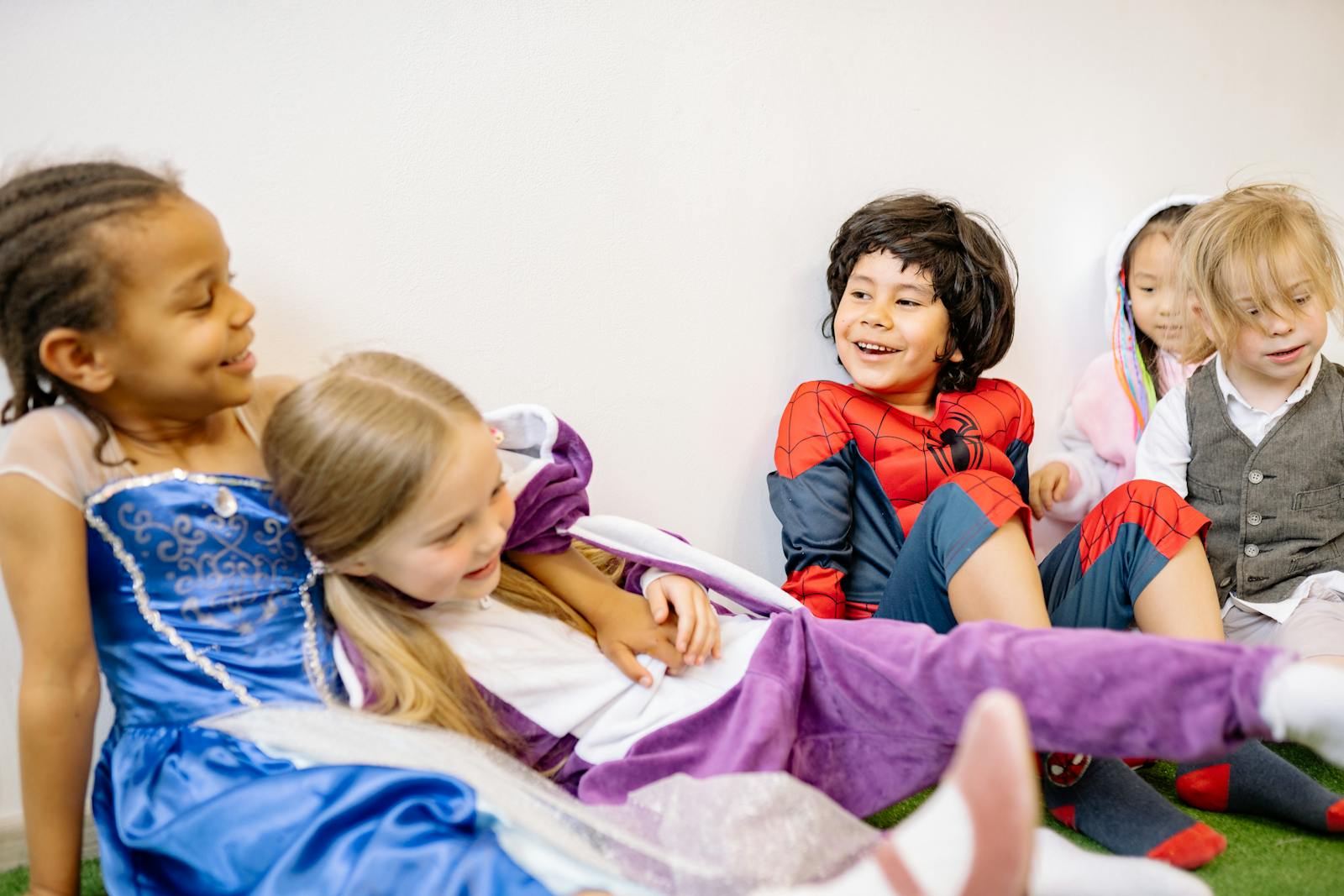
Outgrown superhero costumes
Your kid’s superhero costumes probably don’t fit anymore, and they won’t miss squeezing into them. These costumes often get left in the closet or forgotten after a season.
Donating them is an easy way to clear out clutter without guilt. Other kids can get a lot of use and joy from costumes your child has outgrown.
Plus, superhero costumes are often a simple DIY or store-bought item. They don’t hold much sentimental value, so letting them go feels natural, not tough.
Broken puzzles with missing pieces
If you find old puzzles with broken or missing pieces, you probably won’t miss them much. These puzzles often sit around unfinished and forgotten.
Donating them gives them a new life with someone who might enjoy using the remaining pieces for crafts or creative projects.
You could also recycle or repurpose them yourself, so letting them go won’t feel like a loss. Most likely, you and your kids won’t notice these incomplete puzzles once they’re out of your space.
Worn-out sneakers
Your kids probably won’t miss those old sneakers that have seen better days. Once they’re scuffed up, holes start to show, or the soles wear thin, they’re no longer comfortable or safe for everyday use.
Instead of tossing them in the trash, you can recycle them. Many programs break down the materials to make things like playground surfaces or new shoes.
If the shoes are beyond donation, recycling keeps them out of landfills and gives them a second life. Your kids won’t miss worn-out sneakers, but the environment might thank you for recycling them.
Pieces of a building block set that don’t fit anymore
You know those odd pieces that no longer fit with your kid’s current sets? They usually end up lost in the mix or ignored. These pieces often pile up and take up space without much use.
Your kids likely won’t miss these mismatched or damaged bits. Donating them gives those extra pieces a second life with kids who enjoy mixing and matching.
It’s an easy way to clear out clutter without guilt, especially if your kids have moved on to newer sets. Plus, someone else can get creative with what you no longer need.
Books they’ve already read twice
If your kids have read a book more than once, chances are they’re pretty familiar with it by now. Those books often lose their “new” excitement after a couple of rounds.
You don’t need to keep every copy just because it’s been a favorite before. Donating these books frees up space and lets other kids enjoy them fresh.
Plus, if your child really wants to revisit a story, many libraries or digital versions are often easy to access. So those worn copies don’t need to stay on your shelves forever.
Old art and craft supplies dried up
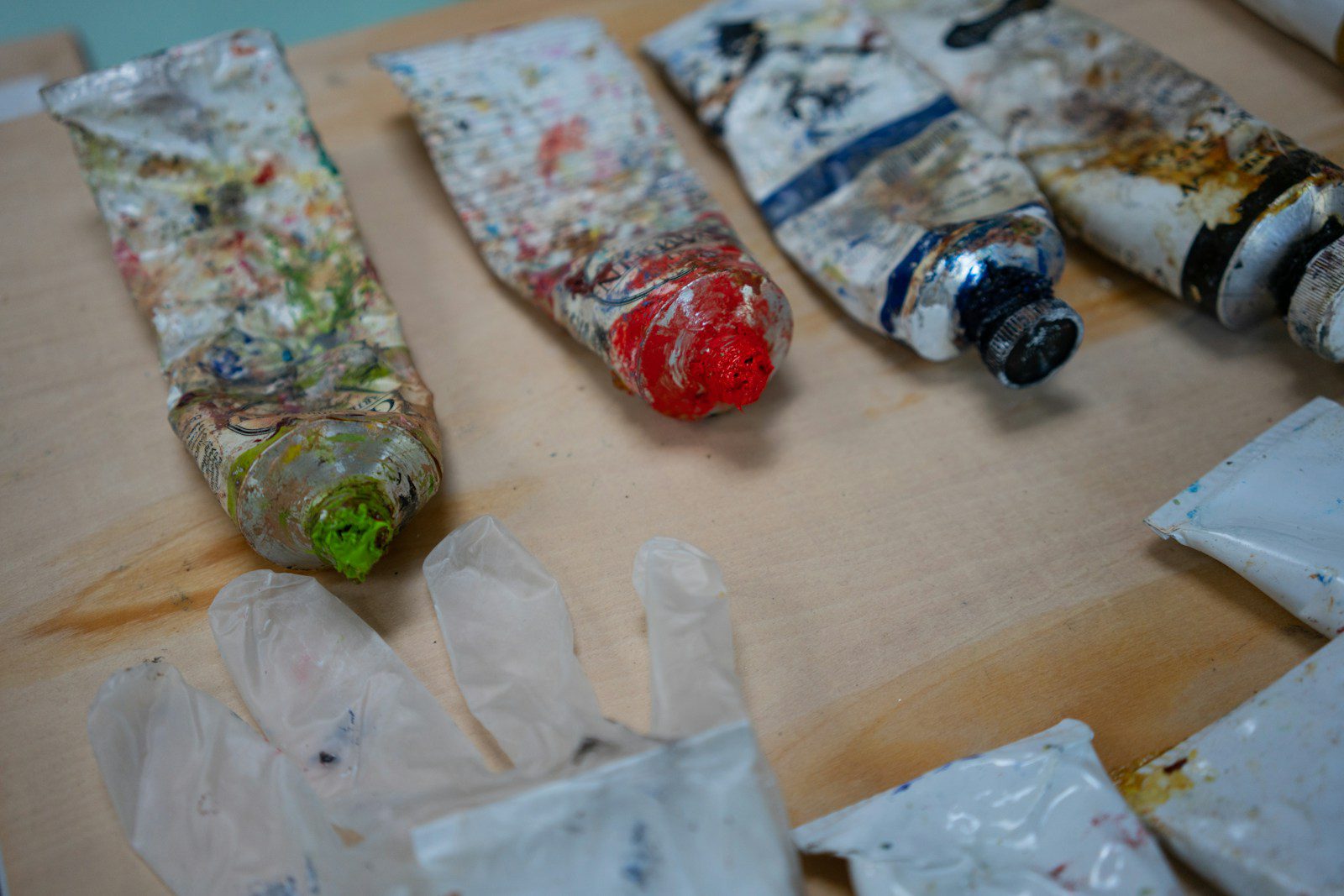
You know those markers that won’t write anymore or paintbrushes with dried paint stuck in the bristles? Your kids probably won’t miss them. These supplies tend to get forgotten and just take up space.
Donating dried-up art supplies can help someone else find creative uses for them. Some places accept items like old crayons and dried markers to recycle or repurpose.
If they’re too worn out, try upcycling or recycling them instead of tossing. It’s a simple way to clear clutter without guilt.
Plastic toys missing small parts
If a plastic toy is missing tiny pieces, your kids probably won’t notice or care much. Small parts, like buttons or accessory bits, often get lost quickly during play.
You can donate these toys without worrying about their missing pieces. Kids usually focus on the main parts and not the extras that go missing.
Trying to fix or find replacements for these small parts can be time-consuming. If the toy still works and offers fun, it’s fine to pass it on as is.