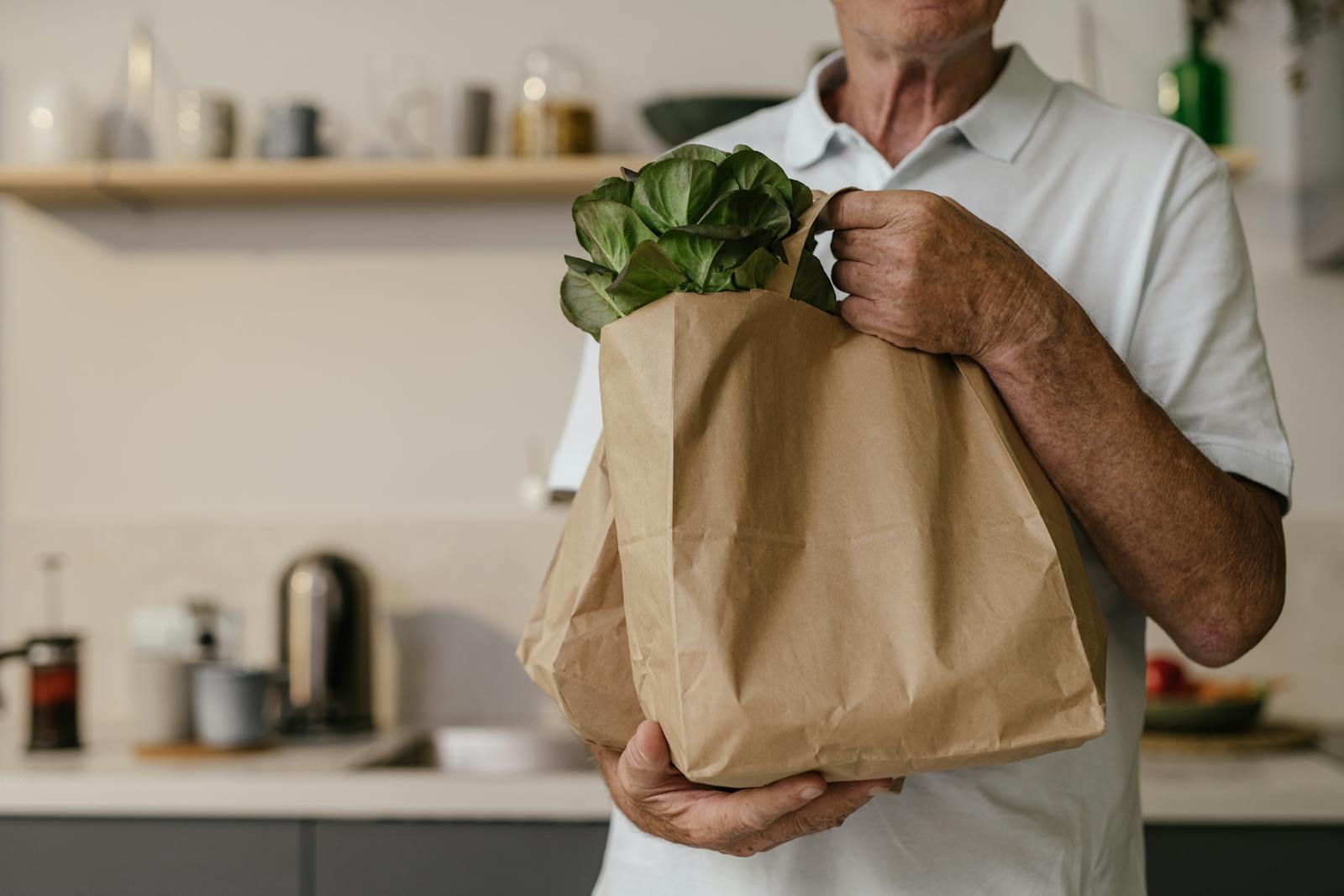
I’ve found that one grocery trip can easily feel like it disappears too fast, leaving me scrambling to figure out meals for the rest of the week. Over time, I’ve picked up some practical ways to make those groceries last longer without feeling like I’m eating the same thing every day.
The key is using simple strategies that help me stretch what I buy into two weeks of meals without extra shopping trips. These tips keep my budget in check while making sure I’m not wasting food or time.

Plan meals around versatile ingredients like rice, beans, and eggs
I like building my meals around ingredients that do a lot of work for me. Rice, beans, and eggs are my go-tos because they’re affordable and can be used in so many different dishes.
With just a big batch of rice, I can mix it with veggies, sauces, or proteins and never get bored. Beans add protein and fiber, and eggs are quick to cook and fill me up fast.
Using these staples helps me stretch one grocery trip for two weeks without feeling like I’m eating the same thing every day. For more tips, you can check this 7-day meal plan using a big batch of rice.
Buy bulk staples such as pasta, canned tomatoes, and frozen veggies
I always grab pasta in bulk because it lasts forever and stretches meals easily. It’s a simple base that I can dress up with whatever I have on hand.
Canned tomatoes are a must-have for me too. I use them for sauces, soups, or even to flavor rice dishes. They save me time and add a lot of flavor without going bad quickly.
Frozen veggies are another bulk buy that helps me skip waste. They stay fresh longer than fresh produce, so I can pull them out whenever I need to boost a meal without rushing to use them.
Buying these staples in bulk keeps my kitchen ready and saves me trips to the store.
For more ideas on bulk buying essentials, check out this list of the best food items to buy in bulk.
(https://kitchenfiftyseven.com/what-are-the-best-food-items-to-buy-in-bulk/)
Use leftovers creatively to make soups, stir-fries, or casseroles
I like turning my leftovers into soups because it’s super flexible. I toss in leftover veggies, grains, or meat, add some broth, and boom—a new meal. It keeps things simple and cuts down waste.
When I have random bits of meat and veggies, stir-fries are my go-to. I just throw everything in a pan with some sauce and rice or noodles. Quick, tasty, and no food wasted.
Casseroles are another easy way to stretch leftovers. I mix cooked ingredients with cheese or sauce, bake it, and get a totally different meal. It’s like reinventing dinner without extra trips to the store.
For more ideas on this, check out these ways to repurpose leftovers creatively.
Cook large batches and freeze portions for later
I like to cook big batches of meals all at once. It saves me time during the week and helps me avoid multiple trips to the store.
After cooking, I portion everything into containers and freeze them. This way, I have ready-made meals waiting whenever I need them.
Freezing individual portions makes it easy to heat just what I want, without waste. I stick to meals that freeze well, like stews, casseroles, and pasta dishes.
Batch cooking and freezing really stretch my grocery haul and keep my meal planning simple. You can find plenty of tips for this kind of cooking in the Ultimate Guide to Batch Cooking and Freezing Meals.
Incorporate pantry staples like canned tuna, chickpeas, and oats
I rely on pantry staples like canned tuna, chickpeas, and oats to keep meals simple and budget-friendly. These ingredients last a long time and are super versatile in recipes.
Canned tuna is a go-to for quick salads or tuna cakes. Chickpeas work great in soups, stews, or even roasted for snacks. Oats aren’t just for breakfast—they can thicken smoothies or add texture to baked goods.
Using staples like these means I don’t have to run to the store all the time. They help stretch my groceries and save money without sacrificing variety or nutrition. For ideas, I often check out tips on how to maximize pantry staples like canned tuna and chickpeas.
Substitute expensive ingredients with cheaper alternatives in recipes
I often swap pricey ingredients for more affordable ones without missing much in taste. For example, I use lentils or beans instead of ground meat to save money and still get plenty of protein. Cheaper cuts of chicken like thighs or legs work just as well as breasts, and they’re easier on my budget.
I also keep pantry staples like frozen vegetables, canned tomatoes, or basic spices on hand. These let me stretch recipes without running to the store. Using smart ingredient swaps is an easy way I make one grocery trip last without sacrificing flavor or nutrition.
Shop for sales and stock up on discounted essentials
I always check weekly store flyers before heading out. Sales often highlight items I use daily, like canned goods or cleaning supplies.
When I spot a good deal, especially on essentials, I buy enough to last me two weeks or more. It’s a simple way to save without giving up what I need.
Stocking up during sales means fewer trips and less impulse buying. It helps stretch my grocery run without feeling like I’m missing out. For more tips on this, see ways to stretch your food budget.