You scrub, you wipe, you tidy before company comes. Cleaning feels like the one chore where effort always equals results. But the people who clean homes for a living say several of the most common habits are quietly making the job harder.
In an August 2025 story for Apartment Therapy, writer Sophie Hirsh gathered eight mistakes from professional cleaners across the country. Here is what each pro says, and the easy fix that goes with it.
1. Overcrowded Organizing Baskets Hide A Layer Of Grime
Jecko De Leon, operations manager at Bear Brothers Cleaning, says trays and baskets are rarely lifted, so dirt builds up underneath. In Apartment Therapy’s words, he says, “The reality is that those trays are filled and cramped.”
The fix is to keep fewer items in each basket and lift them out when you wipe the shelf or counter beneath.
2. Pre-Cleaning Before The Cleaner Arrives Can Backfire
This one surprises many households. Dawn Zapf, owner of Executive Maids, says tidying first can slow things down, since clutter that has been moved around takes time and blocks dusting. She says, “This actually makes our job harder and less effective.”
If you have hired help, put away valuables and leave the rest to the crew.
3. One Rag Or Sponge For Every Room Spreads Germs
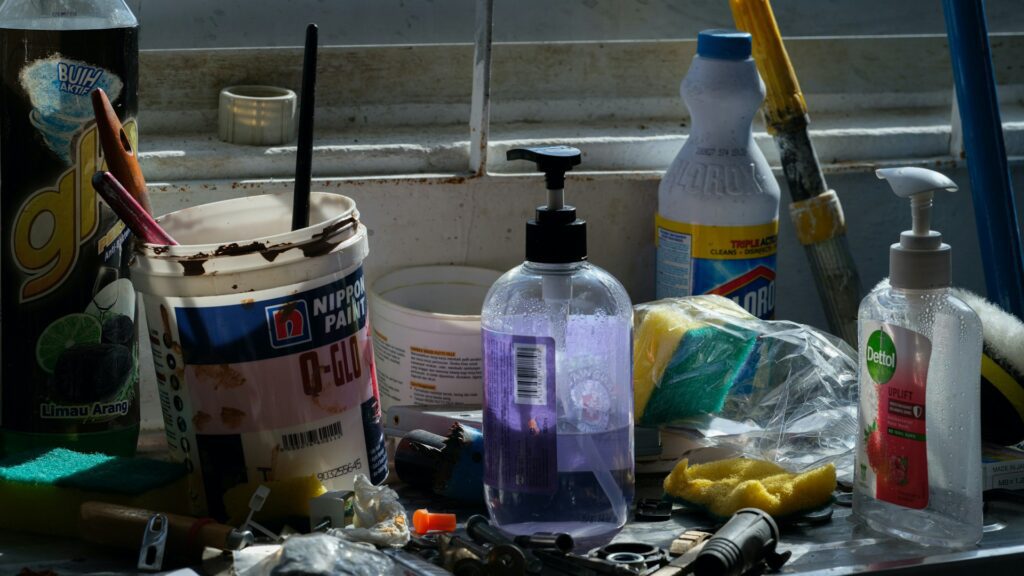
Emily Adams of NW Maids House Cleaning Service says, “We always cringe when we see a client using a single dirty rag for everything.” One rag spreads germs from surface to surface, and sponges can transfer bacteria.
The recommended habit is color-coding rags and sponges for the kitchen, bathroom and other areas to prevent cross-contamination.
4. A Long Walkthrough Every Visit Is More Than A Cleaner Needs
Robin Murphy, chief cleaning officer at Maid Brigade, says to show your cleaner around on the first visit but skip long walkthroughs after that. She says, “If something needs special attention, a note or quick verbal reminder is usually more than enough.”
A short note on the counter does the job and respects everyone’s time.
5. Furniture Polish On Everything Leaves A Film That Attracts Dirt
Murphy and Zapf both say polish belongs on wood only. Overuse leaves a waxy film that attracts dirt, and some clients use vinegar or essential oils that can etch natural stone or dull surfaces.
Check what the surface is made of before you spray, and use a product made for it.
6. Viral Cleaning Products Do Not Always Live Up To The Hype
Karen Larkin Jaser, owner of Belle Home Housecleaning, and Murphy say products that promise quick results can take more time, need extra steps or underperform on some surfaces. Murphy points out that The Pink Stuff does not work on everything.
A product that is great on a stovetop may be wrong for a delicate finish, so test first and read the label.
7. Folding Damp Cloths And Storing Them Under The Sink Invites Mildew
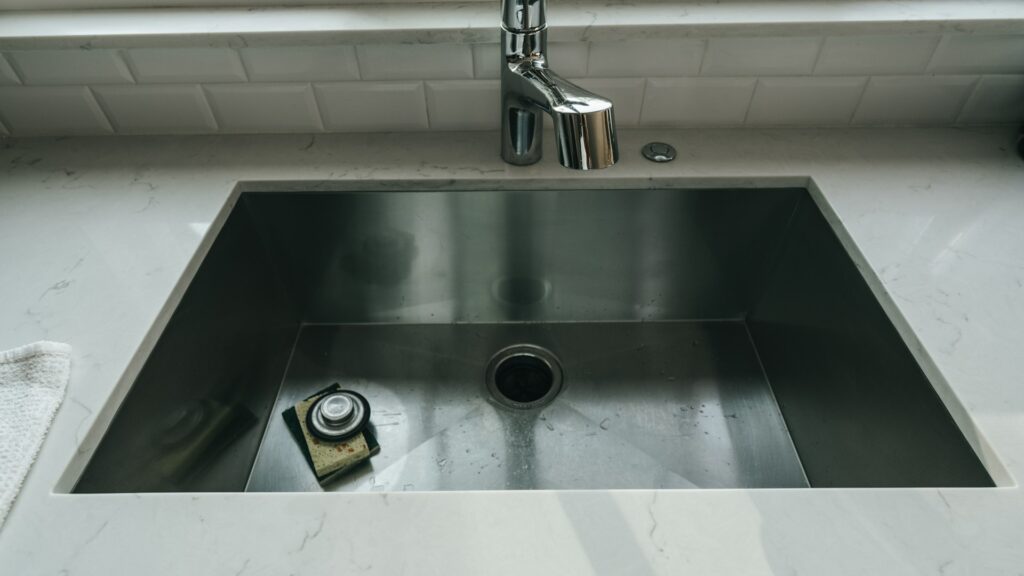
Murphy warns that damp cloths stored under the sink can cause mildew and odors. She says, “Either let them dry fully or wash them right away. It’s a small habit with a big impact.”
Hang cloths over a rack or drop them in the laundry basket instead of folding them wet.
8. Homemade, Unlabeled Cleaners Are Hard To Trust Around Kids And Pets
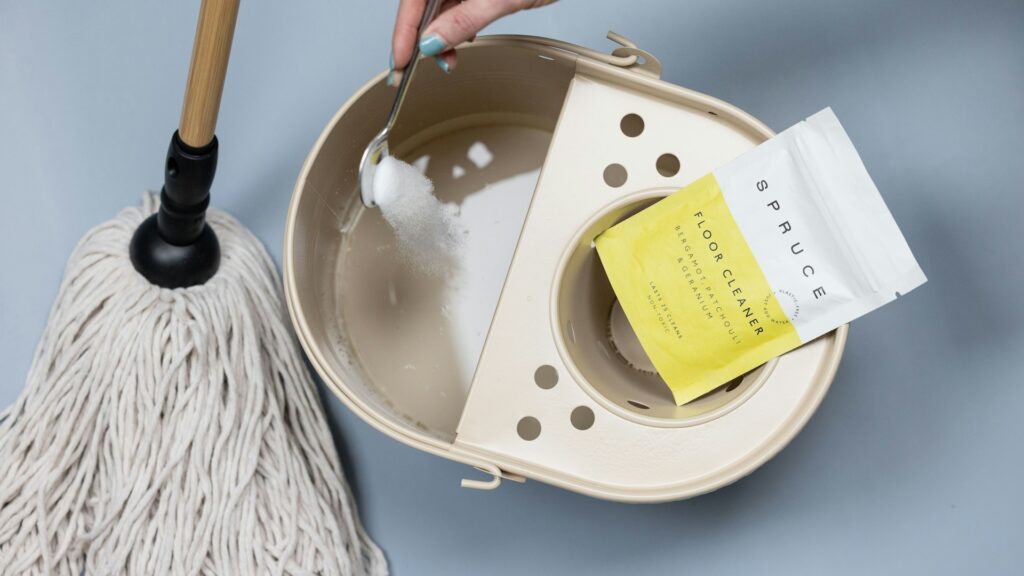
Jaser says unlabeled homemade mixtures are hard to verify as safe, especially around sensitive surfaces, pets or children. The advice is to label every homemade product clearly.
A bottle with a handwritten name and date takes five seconds to make and prevents a mix-up.
Cleaners Say The Shortcuts Cost You More Time Than They Save
Look again at items 2, 4 and 6 and a pattern emerges. Each is an attempt to save effort, whether by tidying before the cleaner arrives, explaining everything in person or buying a miracle product. According to the pros in the Apartment Therapy report, those shortcuts end up costing time.
Pre-cleaning, in Zapf’s view, makes the job harder because clutter that has been moved takes time and blocks dusting. A viral product, in Murphy’s view, may need extra steps or underperform on some surfaces. A long walkthrough, she says, is more than most cleaners need after the first visit.
The better path is to work with the routine rather than around it. Keep surfaces clear enough to wipe, use the right product for the surface, and communicate with a short note.
What To Change This Week
Notice the common thread: most of these mistakes come from good intentions. Filling a basket, sparing the cleaner a mess or mixing a cheap spray all feel responsible, yet each has a downside the pros see every day.
- Buy a few colored cloths and assign one to each area of the house.
- Dry or wash damp rags before they go back under the sink.
- Label every bottle you fill yourself.
- Lift the baskets and wipe beneath them when you clean the shelf.
Four small habits, and the job gets faster and cleaner. Pick one to start with and add another next week. If you share the house with family, hand each person a color-coded cloth so the habit sticks, and post the label rule on the cabinet door where the bottles live.
More Stories You May Like
- Thrift Shopper Spotted A $6.99 Giant Sonic Plush At Goodwill That Can Resell For Up To $800 Then Scored Brass Horses For $1 Each
- Flipper Found A Set Of Ferrari Wheels On Facebook Marketplace Offered The Seller $800 And Sold Them For $3,200 After A $400 Powder Coat
- Her Goodwill Honey Hole Averages $7 Per Item, And One Rachel Antonoff Frog Print Dress Found There Had Comps Of $200 To $300