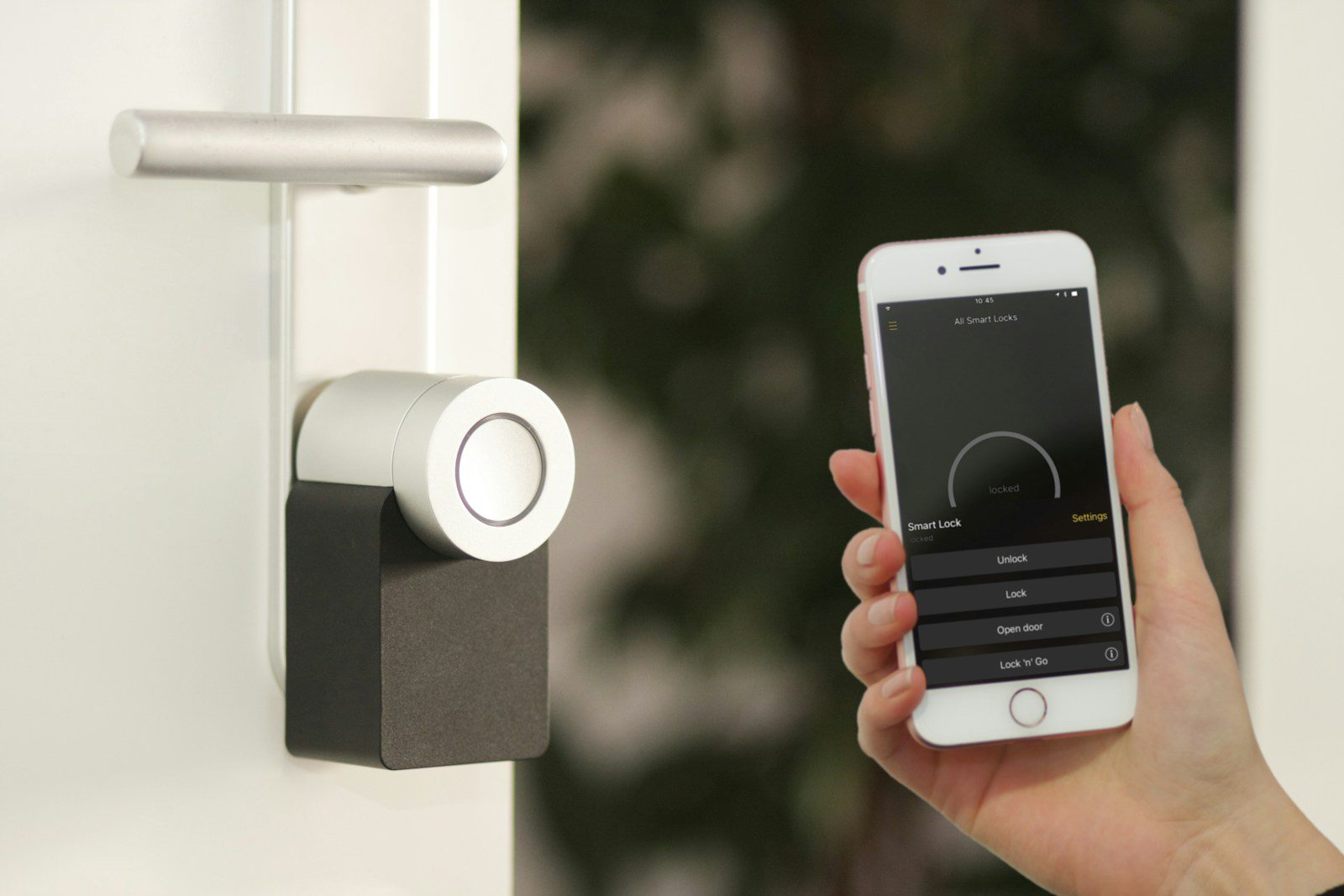
Wi‑Fi jamming burglars rely on quiet testing and subtle markers rather than smashed windows or loud alarms. If you know the early warning signs, you can spot when thieves are probing your home’s defences and act before a full break‑in. These eight patterns, drawn from recent UK crime reporting on tech‑assisted burglaries, show how “wi‑fi jamming” thieves mark properties and what their tactics reveal about the risk to your household.
1) Sudden, Unexplained Internet Outages
Sudden, unexplained internet outages are one of the clearest signs your house may have been marked by wi‑fi jamming thieves. In several UK neighbourhoods with rising burglaries, residents reported short, simultaneous broadband blackouts that engineers later struggled to explain, while police linked the timing to criminals briefly activating portable jammers to map vulnerable homes. These devices flood the local airwaves with interference, so your router, mesh nodes and smart TV all drop off at once, even though your provider shows no wider network fault or maintenance work in the area.
Specialist coverage of unexplained network drops notes that thieves often start with very short tests, lasting a few seconds to a couple of minutes, to see which houses suddenly lose cameras or alarms. If your neighbours also complain that their internet “blinked” at the same time, especially in a street already hit by break‑ins, treat it as a potential reconnaissance pass and log dates and times so police and your provider can correlate patterns.
2) Discovery of Suspicious Hidden Devices
Discovery of suspicious hidden devices near doors, gates or windows can indicate that burglars have physically marked your property for wi‑fi jamming. Investigators have found battery‑powered gadgets disguised as smoke detectors, plug‑in chargers or small white junction boxes tucked behind drainpipes and under porch roofs, positioned to disrupt signals between your router and external cameras. According to one detailed investigation into smoke detector lookalikes, crews sometimes leave these units in place for days, returning later to retrieve them once they have confirmed how your system reacts.
If you spot a device you do not recognise, especially one that is not wired into your electrics and does not belong to your broadband provider, treat it as suspicious. Photograph it in place, avoid tampering with any exposed wiring and contact police on a non‑emergency line so they can check for radio emissions or fingerprints. For homeowners, the stakes are high, because a single hidden jammer can quietly neutralise multiple cameras, smart locks and alarms at the exact moment thieves decide to force entry.
3) Repeated Sightings of Vehicles with Antennas
Repeated sightings of unfamiliar vehicles with visible antennas parked outside your home can be another sign that wi‑fi jamming thieves are circling. A burglary prevention advisory from West Midlands officers described reports of a black van with roof‑mounted antennas that appeared several evenings in a row on the same cul‑de‑sac, coinciding with residents’ complaints about short‑lived wi‑fi failures. Such vehicles may carry spectrum analysers and illegal jammers, letting criminals sit at the kerb while they map which houses rely most heavily on wireless security.
Patterns matter more than a single odd sighting. If you notice the same car or van, often with dark windows and no obvious reason to be there, idling near your property at similar times, try to record the registration number, make and model, such as a Ford Transit Custom or Vauxhall Vivaro. Sharing that information with neighbours and local officers helps build an intelligence picture, and it can deter offenders who realise the street is actively watching for them.
4) Glitching Smart Home Tech Without Power Loss
Glitching smart home tech without any power loss is a classic early warning that someone is testing signal interference around your property. A UK Home Office report on burglar tactics highlighted cases where Ring cameras, Philips Hue lights and similar devices went offline sporadically, even though mains power and broadband lines were stable, suggesting deliberate signal interference before attempted break‑ins. Homeowners described cameras freezing, app feeds showing “device unreachable” and motion‑activated lights failing to trigger, then returning to normal minutes later.
Because these systems depend on wi‑fi or low‑power radio protocols like Zigbee and Z‑Wave, a jammer does not need to be strong or close to cause chaos. If several devices in different rooms drop at once, yet your router lights stay green and your laptop keeps browsing, that discrepancy is important. Document which brands and models are affected, update firmware, and consider adding at least one wired camera or alarm siren that cannot be silenced by radio interference alone.
5) Spike in Fake Deliveries or Surveys
A spike in fake deliveries or doorstep surveys can signal that wi‑fi jamming thieves are moving from remote testing to close‑up reconnaissance. A community warning from the Metropolitan area described offenders posing as couriers or pollsters, using parcels and clipboards as props while they checked sightlines to routers, cameras and side gates and quietly assessed how well jammer effectiveness matched their earlier tests. Some even carried handheld devices in pockets, briefly activating interference while standing on the doorstep to see which cameras or doorbells cut out.
For you, the risk is twofold, because these visits both gather intelligence and normalise strangers at your door. Be cautious of delivery drivers who cannot produce company ID, insist on stepping inside, or seem more interested in looking past you than handing over a parcel. Refusing to open the door, using video intercoms and reporting suspicious callers to police and neighbours can disrupt this stage of the marking process and push offenders to move on.
6) Weakened Mobile Signal Near the Property
Weakened mobile signal near your property, especially when it improves as soon as you walk down the street, can indicate that a jammer is affecting more than just wi‑fi. An investigation into illegal jammers found that many black‑market devices indiscriminately hit cellular frequencies as well as 2.4 GHz and 5 GHz bands, causing phones to drop from 4G to 3G or lose bars entirely in a tight radius. Residents in affected areas reported calls cutting out on their driveways while remaining stable a few houses away.
If you notice that your smartphone, whether an iPhone 15 or Samsung Galaxy S23, consistently struggles for signal in your front garden or hallway but works normally elsewhere, start logging those dead spots. Combine that information with any unexplained wi‑fi outages or suspicious vehicles and share it with your network operator and local officers. For emergency services and alarm monitoring centres, sudden mobile blackouts around a single property are a serious concern, because they can block both distress calls and cellular‑backed security alerts.
7) Local Ads for “Free Wi‑Fi Upgrades”
Local ads for “free Wi‑Fi upgrades” can be a softer, social engineering‑driven way for thieves to mark homes for future jamming. A tactics bulletin from the National Crime Agency described criminals distributing glossy flyers and posting in community groups offering no‑cost “signal audits” and router swaps, then using those visits to access networks and quietly mark properties. Once inside, they note where your router sits, how many cameras you have and which rooms contain high‑value items, all while presenting themselves as friendly technicians.
Because genuine broadband providers rarely send unsolicited engineers without prior booking, any cold offer of upgrades should raise questions. Check directly with your ISP using the number on your bill, not the one on the flyer, and refuse entry to anyone who cannot prove they are contracted to your account. For organised wi‑fi jamming crews, a single successful “audit” can turn your home into a mapped target, complete with ideal jammer placement and escape routes.
8) Prior Minor Entry Attempts or Lock Tampering
Prior minor entry attempts or lock tampering, even when nothing is stolen, often signal reconnaissance linked to tech‑assisted casing. Data from the Crime Survey for England and Wales recorded a 15% rise in incidents where offenders appeared to test doors, windows or sheds without completing a full burglary, a pattern analysts connected to crews combining physical checks with wi‑fi jamming trials. Homeowners reported fresh scrape marks on euro‑cylinder locks, slightly bent window latches and garden gates left ajar, yet no obvious loss of property.
These “near misses” matter because they show that someone has already decided your home is worth the risk and is refining their plan. If you find signs of tampering, photograph the damage, upgrade weak points such as basic cylinders or single‑latch uPVC doors and share details with neighbours so they can check their own locks. When combined with unexplained outages or suspicious callers, even a failed attempt can be the final confirmation that wi‑fi jamming thieves have marked your address.
More from Decluttering Mom: