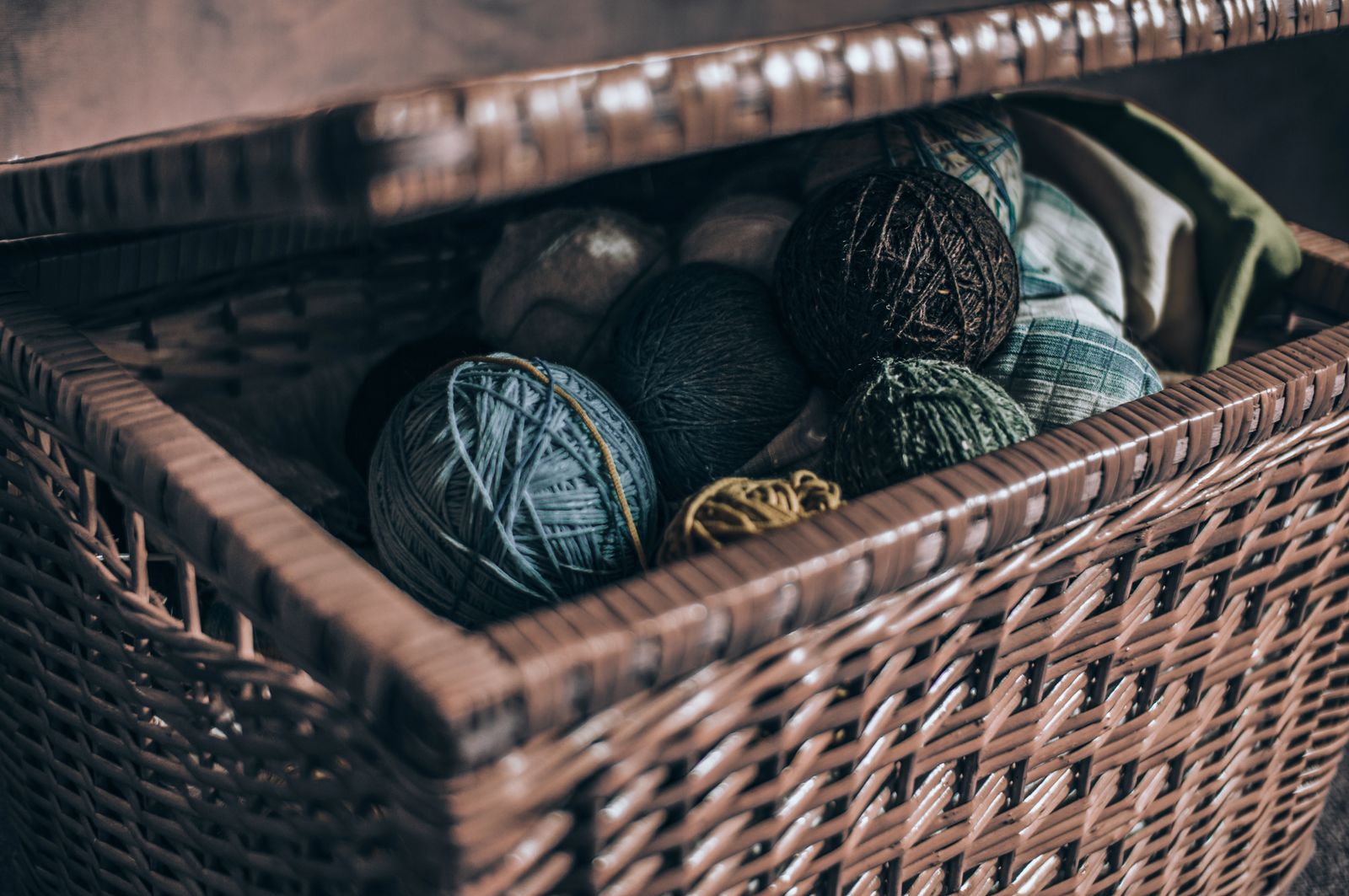
A sewing basket looks like the definition of low-value clutter: loose thread, mismatched buttons, and rusty pins that seem destined for the trash. Most people clear one out in minutes without a second glance.
But sewing baskets and cabinets often hold small, genuinely collectible items that specialty collectors actively search for. Here are eight worth sorting through before you empty the basket for good.
Bakelite and Celluloid Buttons
Colorful carved buttons in deep reds, butterscotch yellows, and marbled patterns are frequently early plastic materials like Bakelite or celluloid rather than ordinary plastic, and dedicated button collectors seek these out specifically, according to button collecting resources. The same guide dates Bakelite to 1909 and puts the peak years for Bakelite buttons in the 1920s through the 1940s, before newer plastics replaced it in the 1950s.
A quick first test is rubbing the button briskly with your thumb until it warms, then smelling it. A sharp chemical odor is a common sign of Bakelite, though not every piece gives one off, so treat it as a clue and not as proof. Weight helps too: Bakelite feels dense for its size, while celluloid is thin and very light.
Sort by material and design before you toss the whole tin. Carved, figural, and two-color buttons draw more interest than plain round ones, and a matching set is easier to sell than singles. Chips and cracks pull the price down.
Vintage Sewing Machines
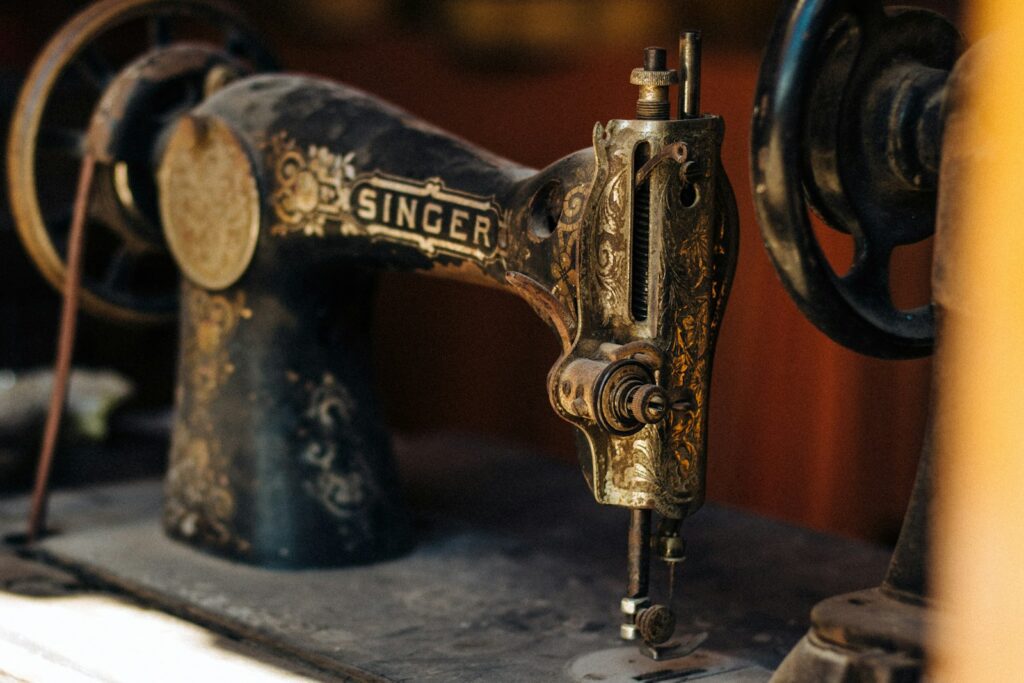
A heavy black sewing machine in a wooden cabinet is often seen as a piece of furniture to get rid of rather than a functioning collectible. Certain vintage Singer models can be identified by a serial number, which helps determine the manufacturing year and rarity of the model, according to Singer’s own machine value resources. Singer says to check the bed or throat plate on treadle and hand-crank machines and the right-hand side on older electric ones.
Once you have the number, the free ISMACS serial number database matches it to a production date and model.
Ornate gold decal detailing in good condition adds to a machine’s appeal, and a machine that still turns freely, even if it needs servicing, is generally more desirable than one that’s seized up entirely. Singer also notes that a working foot pedal, an intact case, and the original accessories raise the value, so keep the attachments box and manual with the machine.
Original Vintage Sewing Patterns
Tissue paper sewing patterns in their original illustrated envelopes are easy to toss once the elastic waistbands and puffed sleeves look hopelessly dated. In reality, patterns from certain eras and designers, especially those still sealed or uncut, have a genuine collector and crafting resale market, according to vintage pattern collecting guides. That guide says the most wanted patterns date from the 1920s through the 1960s, with Vogue leading the designer names and labels such as “Couturier Design” or “Paris Original” adding interest.
Keep expectations modest. The same guide puts most common vintage patterns under $25, with stronger 1940s to 1960s examples running roughly $20 to $200 depending on condition, designer, and rarity.
Check the envelope for a complete piece count and readable printing date, and keep uncut patterns folded exactly as found, since factory folds and an intact envelope both add to resale value. Do not iron the tissue or tape torn envelopes. Store them flat.
Metal Thimbles
A small thimble rolling around the bottom of a sewing basket is one of the easiest collectible items to overlook entirely. Sterling silver and enameled thimbles, especially souvenir or advertising thimbles from earlier decades, have long attracted specialty collectors who focus on nothing else.
Check the inside rim and the band for a maker’s mark or silver hallmark. Thimble Collectors International’s guide to hallmarks and maker’s marks says to look for “925” or “STERLING” stamps, maker’s initials or trademarks, and city symbols such as the anchor used for Birmingham in the UK. The marks are tiny, so use a magnifying glass and good light.
Note any enamel decoration, engraving, or hand-painted detail, since a plain metal thimble is common while a decorated or silver example can be genuinely valuable to the right buyer. Condition counts: holes worn through the top, dents, and split rims all lower the price. Wipe it with a soft dry cloth before you photograph it for sale.
Antique Sewing Scissors and Shears
Ornate scissors with figural handles, like storks or other decorative shapes, are a specific niche within sewing collectibles. Small embroidery scissors with engraved or figural bows are the ones collectors look for first.
Even plainer forged-steel shears from well-known cutlery makers can be worth sharpening and keeping rather than discarding. Look for a maker’s name or a town stamped near the pivot screw, and write it down before you search sold listings, since the name is what buyers type in.
Then check the working parts. Both blades should align tightly, the tips should meet, and the pivot should move without wobble. Light surface rust wipes off with a drop of sewing machine oil and a cloth. Deep pitting, a broken tip, or a replaced screw cuts the value sharply. Skip the grinder and the wire wheel, because heavy cleaning removes the original finish and the stamp along with it.
Needle Cases and Pin Cushions
Small figural pin cushions shaped like tomatoes, shoes, or animals, along with decorative needle cases made of celluloid, wood, or metal, are collected specifically for their novelty and craftsmanship. Thimble Collectors International’s overview of antique sewing accessories describes Victorian pin cushions in velvet, silk, and even sterling silver, including strawberry shapes filled with emery powder to keep pins sharp.
Advertising needle cases handed out by local businesses decades ago are a particularly niche but active collecting category. Look for printed advertising text, maker stamps, or unusual figural shapes, since plain modern pin cushions have little resale interest compared to these older novelty pieces.
Turn each piece over and check for a country mark. The same organization notes that “Made in Occupied Japan” dates an item to 1945 through 1952. Leave old needle packets inside their case and do not wash fabric cushions, since water can rust the pins inside and stain the cover.
Glass-Head Hat Pins and Sewing Pins
Long, decorative hat pins with glass, faceted, or metal ornamental heads sometimes end up mixed in with ordinary sewing pins. These were originally functional fashion accessories for securing hats, and ornate examples with colored glass or metalwork heads are collected separately from everyday sewing notions.
Length is the fastest way to tell them apart. Smithsonian magazine’s history of the hatpin describes pins nearly a foot long in the early 1900s, and reports that Chicago voted in 1910 to ban hatpins longer than nine inches. A pin of sewing length with a small glass ball head is a dressmaker’s pin, not a hat pin.
Sort through any loose pins carefully by hand rather than dumping them, since a single decorative hat pin can be worth more than an entire tin of plain steel pins. Check that the head is firmly attached and the shaft is straight and free of heavy rust.
Wooden Spools and Thread Cabinets
Wooden thread spools, especially still wound with colorful vintage thread, and the small wooden or tin cabinets used to store them, appeal to collectors focused on general store and haberdashery memorabilia. Cabinets with original branded advertising lettering intact are especially sought after as display pieces.
Cabinets are where the money is. When we checked, spool cabinet listings on LiveAuctioneers for Clark’s and J. & P. Coats examples carried estimates and opening bids of roughly $100 to $200, before any final hammer price. Size, drawer count, and condition move that number.
Do not strip or refinish the wood, because the old surface and the advertising are what buyers pay for.
Even individual wooden spools have a niche crafting and collecting market, so it’s worth keeping these separate from plastic modern spools when sorting through an old sewing basket. Bag the ones with a readable paper label and sell them as a lot.