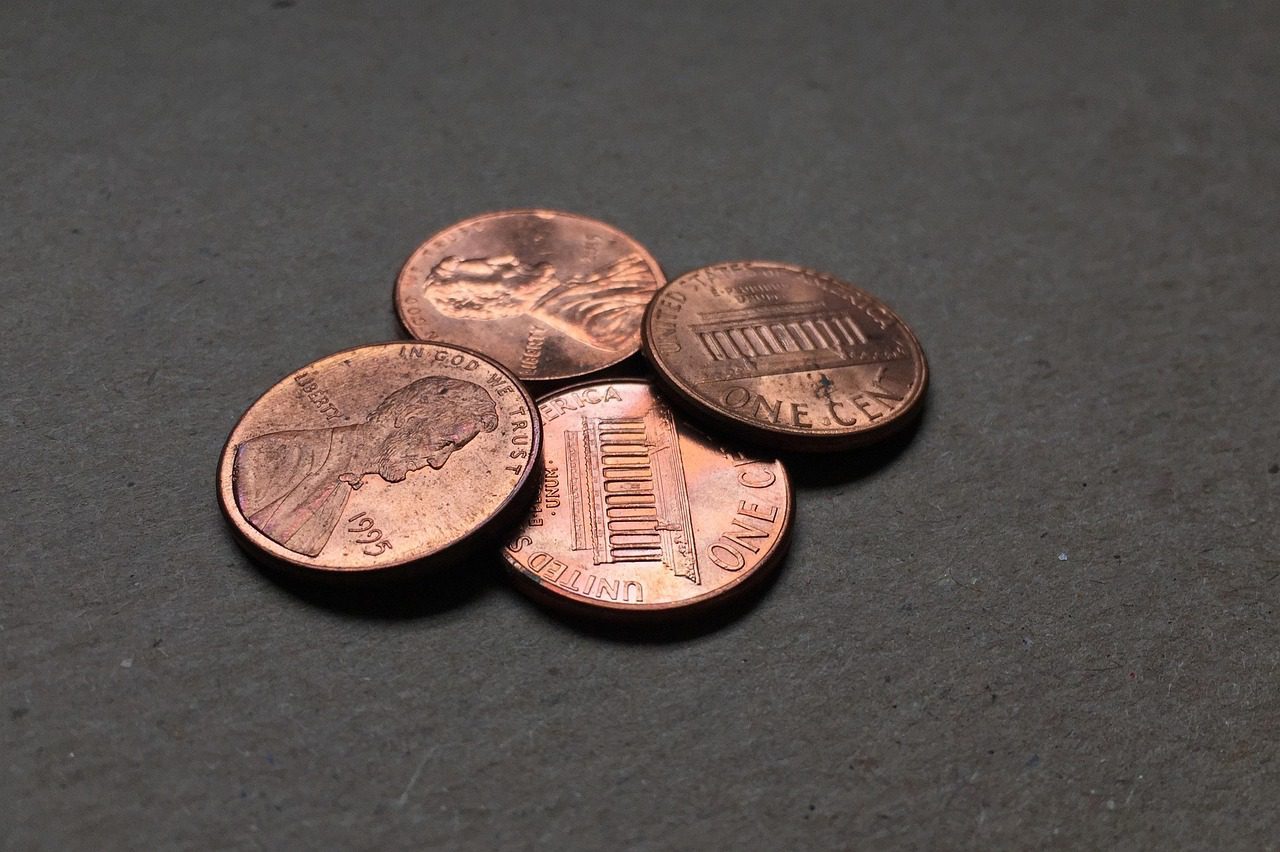
If you’ve ever stumbled across an old coin in a drawer or your pocket and wondered if it might be worth more than just its face value, you’re not alone. I’ve spent time learning how to spot signs of value in coins that many people overlook.
Knowing what to look for can help you determine if that forgotten coin could be valuable or just everyday change. This article will guide you through easy ways to start identifying the potentially rare and valuable coins you might already have at home.
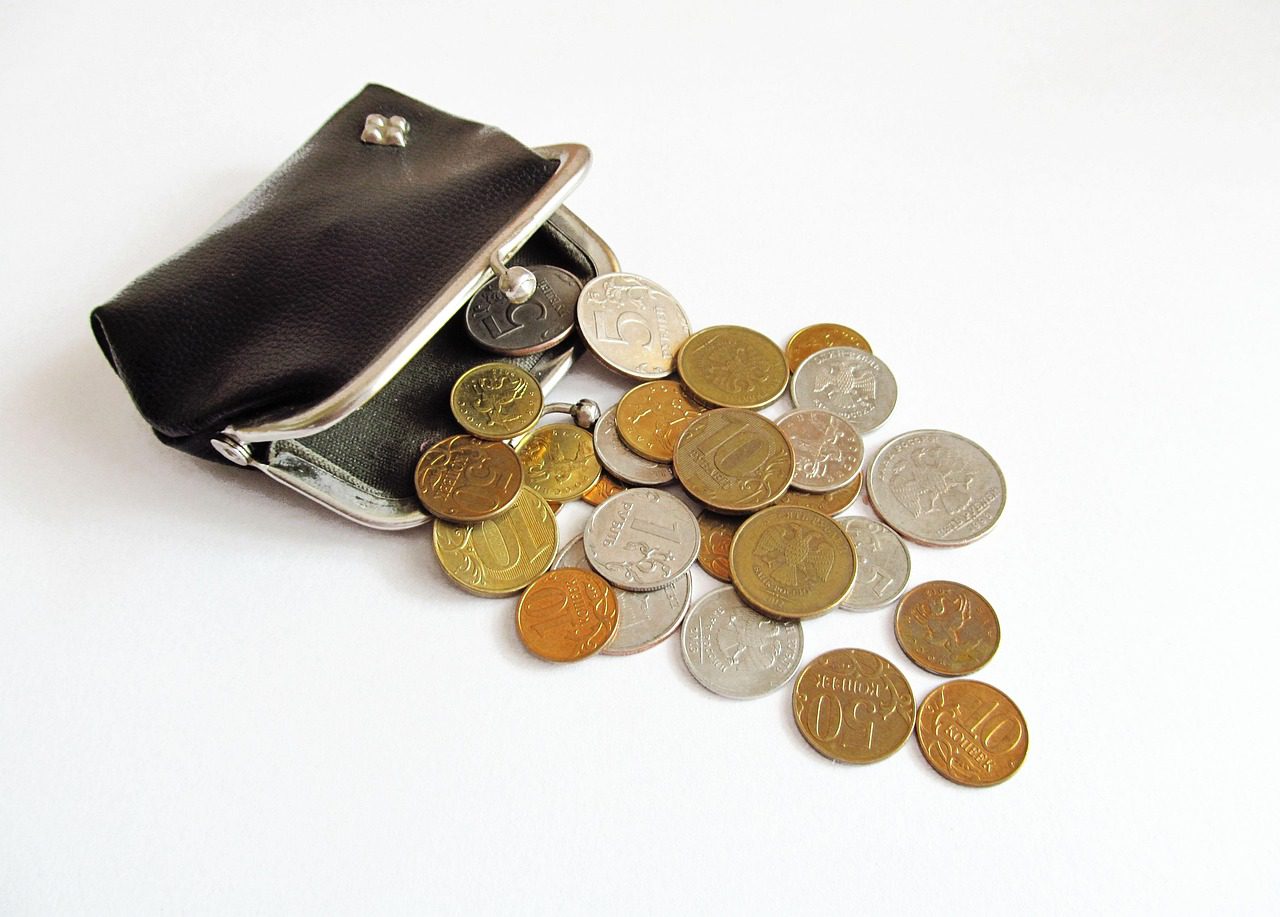
Check the coin’s mint mark for rarity
When I look at an old coin, one of the first things I check is the mint mark. This small letter tells me where the coin was made, and sometimes, certain mint locations produced fewer coins, making them rarer.
Knowing the mint mark helps me understand a coin’s history and can reveal if it’s more valuable than others of the same type.
Some mint marks are easier to spot than others, usually near the date or on the coin’s face. Checking this detail can make a big difference when figuring out if my coin is worth something special.
Look for errors or misprints on the coin
When I check old coins, I always look for errors or misprints. These can include off-center strikes, where the design doesn’t sit right on the coin. I also watch for strange shapes or missing parts known as planchet errors.
Sometimes, there are die cracks—jagged lines caused by damage during minting. Not all errors make a coin valuable, but spotting these quirks can make a difference. It’s a fun way to find something unique in my collection.
Assess the coin’s condition and wear
When I look at an old coin, the first thing I check is how much wear it shows. Coins with less wear usually hold more value because they’ve kept their original details.
I pay close attention to the edges, the design, and any raised parts. If these areas are smooth or faded, the coin might be less valuable.
Tiny scratches or discoloration can affect value too, so I try to find coins with clear, sharp images and minimal damage.
Identify the metal type, like silver or gold
When I find an old coin, the first thing I do is check what metal it’s made of. Silver and gold coins have distinct colors and weights that often stand out.
I use a simple magnet test to help me narrow it down. If the coin sticks to the magnet, it’s likely not silver or gold.
Sometimes, I look for markings or stamps on the coin indicating its metal content. These can tell you if it’s genuine silver or gold without any guesswork.
Research the coin’s age and historical context
When I look at an old coin, the first thing I do is check its age. Coins made before the 20th century are often more interesting. I find that coins from important historical periods can have extra value too.
Next, I try to learn about the time and place where the coin was made. Some coins were minted during wars or to honor famous people. Understanding this helps me see why a coin might be more sought after by collectors.
I usually use online resources or books to dig into the history. Visiting local coin shops can also give me clues from experts who know a lot about these coins.
Verify if the coin has been cleaned or altered
When I find an old coin, the first thing I check is whether it has been cleaned or altered. Cleaning coins might make them look shiny, but it often reduces their value. Sometimes cleaning leaves tiny scratches or unusual shine on the surface.
I also look for inconsistent coloring or dull areas around the high points of the coin. These signs can mean the coin was polished unevenly. If a coin looks too new despite obvious wear, it’s likely been altered.
Being able to spot these signs helps me avoid overpaying for coins that aren’t in their original condition.
Compare your coin to listings in coin value guides
When I want to know the value of a coin, I start by comparing it to similar ones in coin value guides. I look for coins that match my coin’s date, mint mark, and condition.
It helps me avoid overestimating value by checking coins that are worn or scratched like mine, not just pristine examples. This way, I get a realistic idea of what my coin might be worth.
Consult a certified numismatist for expert appraisal
When I found an old coin, I wasn’t sure if it was valuable or not. Consulting a certified numismatist helped me get a clear and professional opinion. These experts have the knowledge to properly identify and evaluate coins based on condition, rarity, and demand.
I learned that relying on a numismatist reduces the chance of mistakes, especially with fakes or common coins that look rare. Getting an appraisal from a trusted professional also gives me confidence if I decide to sell or insure my coin. It’s a simple step that can save time and avoid costly errors.