You can keep your home fresh and tidy without buying a shelf full of specialty cleaners. This article shows nine common, inexpensive items you likely already have that tackle dirt, grime, odors, and basic disinfecting—so you can clean smarter and spend less.
Explore simple, practical swaps—from pantry staples to everyday tools—that make routine cleaning faster and gentler on your budget and the environment. You’ll find clear options for scrubbing, deodorizing, polishing, and sanitizing so you can pick what fits your needs and supplies.
Baking soda (sodium bicarbonate)
You can use baking soda as a gentle abrasive to scrub sinks, stovetops, and grout without scratching surfaces. Mix with water to form a paste, let it sit briefly, then scrub and rinse.
Sprinkle it in carpets or refrigerators to absorb odors; vacuum or wipe away after a few hours. Combine baking soda with vinegar for draining or tougher grime, but avoid mixing with bleach.
Learn more cleaning uses and tips from this practical baking soda guide.
White distilled vinegar
White distilled vinegar cleans many surfaces cheaply because its acetic acid cuts grease and mineral buildup. Use a 1:1 water-and-vinegar mix for windows, countertops, or as a mild descaler for kettles and coffee makers.
Avoid using vinegar on natural stone, waxed wood, or certain appliance seals to prevent damage. For scrubbing, combine vinegar with baking soda for extra abrasion power on grout and rusted tools.
Learn specific uses and safety tips from this practical guide to cleaning with vinegar.
Liquid castile soap (Dr. Bronner’s)
You can use liquid castile soap for handwashing, dishes, and general surface cleaning with a simple dilution. It’s concentrated, biodegradable, and often scented with natural oils.
For tougher jobs, mix with baking soda or vinegar for scrubbing power, but avoid combining castile soap directly with vinegar in the same bottle. Try the brand’s many uses and seasonal scents for versatility around the house: Dr. Bronner’s Castile Soap uses guide (https://www.drbronner.com/pages/castile-soap-uses).
Hydrogen peroxide (3%)
You can use 3% hydrogen peroxide as an inexpensive disinfectant and stain lifter around the house. It breaks down into water and oxygen, so it leaves no harmful residue when used properly.
Apply it to grout, mildew, or blood stains, let it sit for a few minutes, then blot or scrub gently. Always test on an inconspicuous spot first, wear gloves, and store the bottle in a dark place to keep it effective.
Microfiber cleaning cloths
You can tackle dust, streaks, and spills with a few microfiber cloths. They trap dirt and moisture without lint, so you often need no cleaner at all.
Use one cloth for electronics and another for kitchen surfaces to avoid cross-contamination. Wash them separately on a gentle cycle and skip fabric softener to keep fibers effective.
For quick jobs, dampen the cloth slightly; for polishing, use it dry. Microfiber lasts many washes, saving money over disposable wipes.
Lemon (fresh juice and rinds)
Use fresh lemon juice to cut grease and lift mineral stains on faucets and glass; dilute with water for gentle cleaning. Mix juice with baking soda into a paste for scrubbing stubborn spots without harsh chemicals.
Rub rinds on cutting boards, faucets, or drains to deodorize and add a light citrus scent. You can also simmer peels in water to freshen the air naturally.
For copper or stainless items, combine lemon and a pinch of salt to polish gently; test a small area first.
Salt (coarse table or kosher)
Keep a jar of coarse salt nearby for scrubbing stubborn stains on cutting boards, cast iron, and glassware without harsh chemicals.
Sprinkle salt on spills like red wine or grease, let it absorb, then blot or vacuum to lift the mess.
Mix salt with lemon or vinegar to scour sinks and remove mineral spots; it adds gentle abrasion without scratching most surfaces.
For drains, pour a cup of salt with hot water to help clear light buildup and neutralize odors.
Rubbing alcohol (isopropyl 70%)
Keep a bottle of 70% isopropyl rubbing alcohol for quick disinfecting and streak-free cleaning. You can wipe down stainless steel, glass, and electronics (apply to a cloth first) to remove fingerprints and germs.
Dilute with water for larger surface jobs or use full strength on small spots like sticky residue. Rubbing alcohol evaporates fast, leaving surfaces dry without residue; test on a hidden area first.
For safe use, ventilate the room and keep it away from open flames and children.
Olive oil (for wood polish)
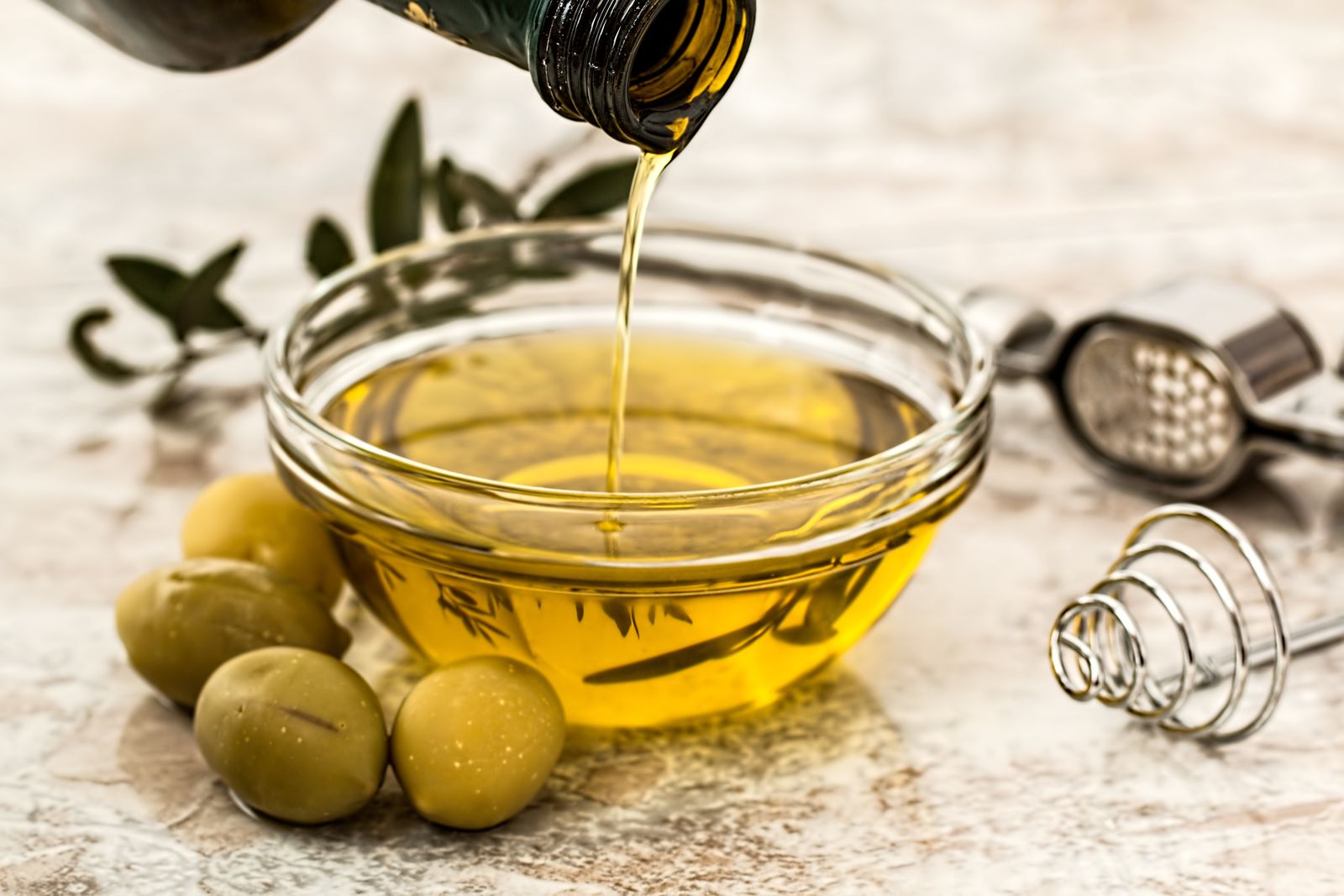
You can restore dull wood by rubbing a small amount of olive oil into the grain with a soft cloth. Mix equal parts olive oil and white vinegar for routine polishing if you prefer a mild cleaner plus shine.
Test on an inconspicuous spot first to avoid buildup or darkening, and buff excess oil to prevent a sticky surface. For deeper conditioning, warm the oil slightly before application and wipe away any residue after a few minutes.
Learn more wood-polish tips from this practical guide to using olive oil on furniture. (https://www.thespruce.com/surprising-ways-to-clean-with-olive-oil-11800702)