


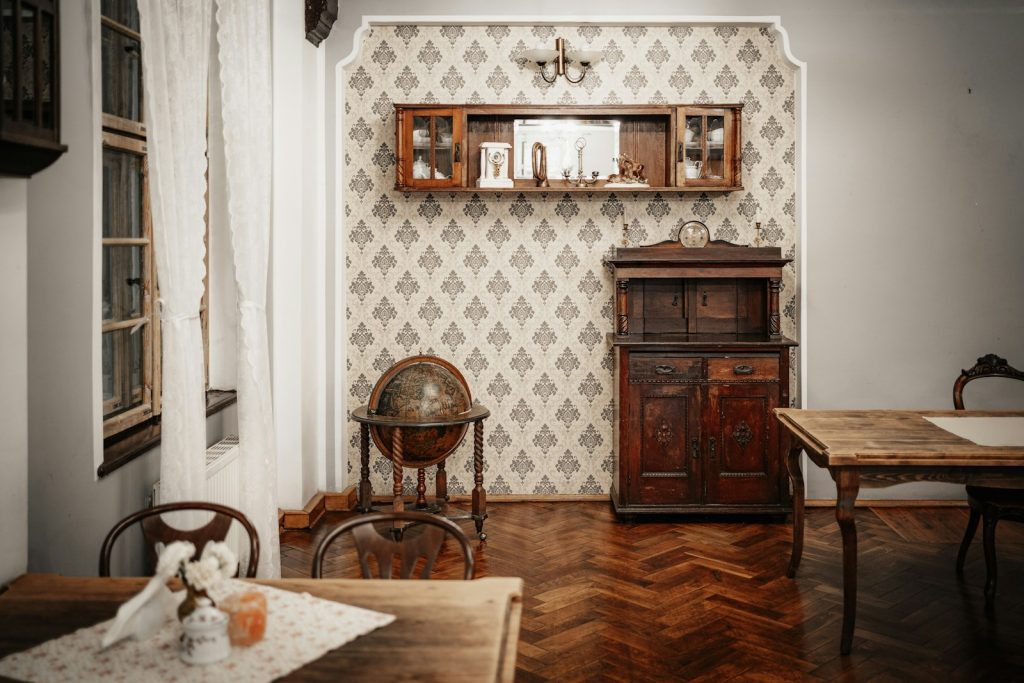
Antique pine furniture is seeing a serious comeback in the design world, making its way back into homes with a fresh appeal. If you’ve ever admired the warm grain and natural patina of pine pieces, now is the moment to explore this trend. Demand for vintage pine furniture has surged dramatically, pushing prices higher as collectors and home decorators snap up these timeless items.
You might notice pine’s lighter tone and textured character standing out against darker woods that once dominated interiors. Its renewed popularity is partly because of the sustainable, well-crafted nature of vintage pine and the way it brings warmth and personality to any room. However, this rising demand means antique pine furniture is becoming harder to find and more expensive than before.
If you’re thinking about adding some pine charm to your space, understanding why prices are soaring and what to look for can help you make smarter choices. This trend isn’t just about nostalgia — it’s about discovering pieces that blend durability, style, and a unique story all in one.
Antique Pine Furniture’s Comeback: What’s Driving the Trend?
Antique pine furniture is winning over modern interiors thanks to its warm, natural look and sustainable appeal. Its presence is also bolstered by influential designers and media, alongside a growing appreciation for nostalgic, timeless pieces that add character to your space.
Renewed Appeal in Modern Interiors
Pine wood’s light color and visible grain fit perfectly with today’s preference for bright, natural materials. You’ll find it increasingly favored over darker woods like teak or walnut, which dominated for decades. The wood’s texture adds warmth and a relaxed charm without overwhelming your room.
Because pine is affordable and widely available, it also makes excellent sense for sustainable design. Many are turning to vintage pine furniture to reduce waste and bring authentic craftsmanship into their home. The versatility of pine pieces—from rustic cabinets to smooth shelving—means you can easily blend them with contemporary décor and minimalist styles.
The Influence of Design Icons and Media
You’ve probably noticed designers and influencers championing pine furniture on social media. Scandinavian design shows a strong commitment to pine, highlighting solid pine cabinets and tables from the mid-20th century as timeless style staples.
Designers such as Mac Collins and Philippe Malouin have embraced pine in recent collections, showcasing its potential beyond “clunky” stereotypes. Their work, along with popular online marketplaces and vintage stores restocking pine items fast, has propelled pine furniture back into the spotlight. This renewed visibility encourages you to reconsider pine not as outdated but as a stylish, enduring wood worth collecting.
How Nostalgia Fuels Demand
You might associate pine furniture with your grandparents’ homes or 1980s kitchens, but that sense of nostalgia is part of what’s driving its surge. The warm patina and grain patterns of pine carry stories and character that mass-produced modern items can’t match.
Knowing pine furniture has decades of history—and can still last hundreds of years—adds value for collectors and decorators alike. Many enthusiasts are restoring old pieces by sanding off yellowed varnish or applying lime washes, which preserves that aged look while updating the finish. This emotional connection, combined with the growing sustainable mindset, motivates you to choose pine as both a practical and meaningful addition to your home.
Why Are Prices for Antique Pine Furniture Rising?
You might have noticed that antique pine furniture is becoming more expensive. Several factors are driving these price increases, including availability, the special value of certain pieces, and broader global economic trends.
Supply and Demand Dynamics
The supply of authentic antique pine furniture is limited and shrinking. Many pieces are decades or even centuries old, which naturally reduces the number of items in good condition. As you shop, you’ll find fewer quality pine items on the market.
At the same time, demand is growing. More people are seeking these pieces for their durability, warmth, and timeless style. This steady interest pushes prices higher, especially as competition grows between collectors and interior designers.
Market Value of Unique Pieces
Unique or rare antique pine furniture manages to command premium prices. If a piece has distinguishing features like original hardware, intricate carvings, or provenance, its value can rise significantly.
You should expect to pay more for items that combine craftsmanship with historical significance. Buyers often treat these pieces as investments or focal points in their homes, which drives up the market value.
Impact of Global Trends
Several global trends affect antique pine furniture prices. For instance, increased tariffs on imported goods mean newer furniture costs more, nudging buyers toward antiques.
Additionally, inflation and supply chain challenges have raised the cost of raw materials and new furniture production. This creates a ripple effect, making vintage and antique pine options more attractive—and more costly—than ever before.
Distinguishing Knotty Pine: Features and Popularity
Knotty pine has a distinctive look that sets it apart from other woods, combining natural imperfections with warm tones. Its resurgence is tied to timeless rustic appeal and modern design trends that embrace organic textures. Understanding its origin and how it’s being styled today helps you appreciate why this wood is back in demand.
Origins and Characteristics of Knotty Pine
Knotty pine comes from pine trees that naturally grow knots—those dark, irregular spots created by dead branches engulfed as the tree matures. This feature gives the wood its name and unique pattern. You’ll find a variety of colors here, from pale yellow to golden brown, often streaked with reddish hues.
While pine wood is soft compared to hardwoods, it holds up well in everyday use. These knots add charm and character, making slight dents or scratches part of the wood’s appeal rather than flaws. Historically, knotty pine was a favorite for walls and ceilings in homes, prized for its warmth and affordability.
Knotty Pine’s Modern Makeover
Today, knotty pine is far from outdated. Designers are choosing lighter stains, like amber or clear finishes, to freshen its rustic look. This approach fits perfectly with popular styles like cottagecore and Scandinavian modern, where natural materials bring in cozy, timeless vibes.
You might see knotty pine used not just on walls but across floors, furniture, and ceilings, embracing its versatility. When left unpainted or clear-coated, its natural knots become focal points instead of imperfections. If you love a relaxed, inviting space with a touch of history, knotty pine offers a perfect blend of nostalgia and modern style.
Sustainability: Is Antique Pine Furniture an Eco-Friendly Choice?
When considering antique pine furniture, it’s helpful to understand both the natural qualities of pine wood and the environmental impact of choosing vintage over new. Pine’s fast growth rate supports renewable use, and buying vintage prevents unnecessary waste and production emissions.
Pine’s Fast Growth and Renewability
Pine trees grow quickly compared to many hardwoods, which makes pine wood a more renewable resource. Because of this rapid growth, pine can be harvested sustainably without causing long-term forest depletion.
This fast renewability means pine plantations can regularly provide fresh wood while still maintaining forest health. Pine’s abundance and quick growth reduce the pressure on slower-growing species.
If you choose pine furniture, you’re selecting a material that originated from a renewable source. This natural characteristic is part of why pine is favored for eco-friendly furnishing options.
Vintage Pieces vs. New Production
When you opt for antique pine furniture, you avoid the environmental costs tied to new manufacturing. Mass-producing new furniture often involves high carbon emissions, chemical treatments, and significant waste.
Antique pine pieces have already stood the test of time, meaning you’re reusing quality wood that doesn’t require fresh cutting or manufacturing. This reuse significantly cuts down on carbon footprint and resource consumption.
Buying vintage also helps reduce landfill waste. Rather than discarding old furniture, giving it a new home keeps valuable pine wood in circulation. This makes your choice part of a circular economy, minimizing unnecessary production and waste.
Styling Antique Pine Furniture in Today’s Homes
Antique pine furniture adds warmth and character but can feel out of place without thoughtful styling. You can create a balanced look by blending pine’s rustic charm with modern elements and carefully chosen accents that bring depth and personality to your space.
Mixing Pine with Contemporary Decor
Pairing antique pine with sleek, contemporary furniture helps avoid a dated or overly rustic vibe. Consider placing a vintage pine dresser alongside minimalist sofas or metal-framed chairs to create contrast.
Use modern color palettes like muted grays, soft whites, or deep blues to highlight your pine pieces without overwhelming the room. You could add geometric rugs or abstract art to introduce clean lines and shapes.
Textural balance matters too. Mix smooth surfaces like glass or polished metals with pine’s natural grain. Lighting plays a crucial role—opt for industrial-style fixtures with black metal or brushed copper finishes to enhance the blend of old and new.
Incorporating Folk Art and Copper Accents
Folk art pieces complement antique pine by emphasizing handcrafted aesthetics that celebrate tradition. You might hang embroidered textile panels or display hand-carved wooden figures near your pine cabinet to enrich the visual story.
Copper cookware is a practical and decorative way to add warmth and subtle shine to kitchen spaces featuring pine furniture. Copper pots and pans, hung or arranged neatly, contrast beautifully with pine’s matte, honey tones.
This combo connects the historical with the everyday, making your home feel personal and lived-in. Gesture towards authenticity by mixing aged copper with natural linen or woven baskets, which enhances the cozy, handcrafted atmosphere.
Collectors’ Tips: Finding, Buying, and Caring for Antique Pine
Finding genuine antique pine requires knowing where to look and what to examine closely. When you buy, quality hinges on spotting authentic construction and avoiding reproductions. Once you own a piece, care is key to preserving its value and charm through proper maintenance and thoughtful restoration.
Where to Source Authentic Pieces
Start your search at local auctions and estate sales, where genuine antique pine often surfaces. You can also explore specialized antique shops and online marketplaces dedicated to vintage furniture. Be cautious when buying online; ask for detailed photos emphasizing joints and finishes.
Look for pieces with signs of age like subtle wear, shrinkage cracks, and patina on hardware. Avoid items with overly uniform finishes or modern screws, which may indicate reproductions. Prices vary, but well-maintained Victorian or farmhouse styles can command a premium due to rising demand.
How to Spot Quality and Avoid Fakes
The hallmark of true antique pine is traditional craftsmanship. Check for mortise-and-tenon joints rather than modern fasteners like staples or nails. Hand-planed surfaces and irregular saw marks are positive signs of authenticity.
Inspect the wood for a natural patina, not a painted or stained surface that tries to mimic age. Softness is expected in pine, but avoid pieces with excessive dents that suggest neglect. If possible, get an expert opinion before purchasing valuable items, as some reproductions can be very convincing.
Maintenance and Restoration Advice
Keep your antique pine in a stable environment with moderate humidity to prevent cracks. Regular dusting with a soft cloth helps maintain its natural oils. Avoid chemical sprays that can damage the wood’s finish.
Every few months, apply a quality beeswax polish like Briwax to nourish and protect the surface. For spills, blot immediately instead of rubbing to avoid stains. When restoration is needed, choose gentle sanding and avoid harsh chemicals; professional refinishing is often worth the investment to maintain integrity.