A bride-to-be was left unsettled by the thought of having no family at her wedding next month. While excitement filled her as the big day approached, an unsettling feeling crept in: how would it feel to celebrate such a monumental moment without her family by her side? The unanswered question lingered, especially after years of mistreatment pushed her to sever ties with her parents.
At 26, she made the difficult decision to cut all contact with her family after enduring years of abuse—physical, emotional, and verbal. Blocking their numbers and choosing to go no contact felt like a means of self-preservation. Despite knowing the right choice was made, the emotional repercussions remained. Voicemails from her parents, expressing their desire to connect and their apparent sorrow over her absence, added to her internal conflict. Yet, she felt numb to their words, a defense mechanism in response to their past actions.
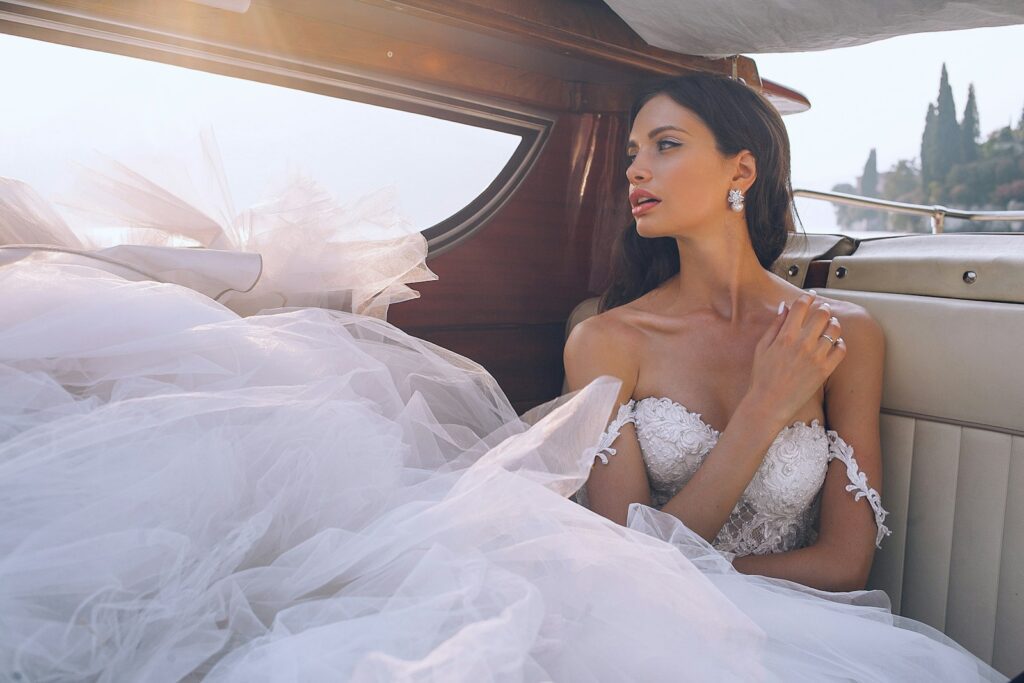
The thought of her family discovering her marriage without their presence loomed over her. She knew her parents hated feeling embarrassed in public, and they would likely perceive her wedding as a personal rejection. This realization stirred up a mix of emotions—shame, anger, and confusion. Was it strange to feel embarrassed about not inviting them, especially given how they treated her? In her heart, she understood the reality of her decisions but couldn’t shake off the nagging self-doubt that followed her.
On top of that, an experience she had at a friend’s wedding compounded her feelings. Watching the bride surrounded by her supportive family made her emotional. The contrast was stark. It was a reminder of what she lost and what she would never have. The flood of memories sent her spiraling through a cycle of grief, anger, and pity. It wasn’t easy to confront these feelings, especially with her wedding approaching.
People had very different reactions to her post on Reddit, expressing a mix of understanding and frustration. Some sympathized with her struggle, emphasizing that the absence of family didn’t diminish her worth or the joy of her wedding. They recognized that for many, cutting off toxic family members is a form of self-care. Others, however, suggested she reconsider allowing at least some family member to attend, perhaps to avoid future regrets. They argued that weddings are significant occasions, and family connections—no matter how strained—can offer a sense of closure.
Multiple commenters questioned whether her feelings of embarrassment were reflective of a societal expectation. Could it have been more about what a wedding “should” look like rather than her own experience? Some pointed out that she deserves to celebrate her love without burdening herself with the past. The idea of a celebration being tainted by toxic relationships struck a chord with many. Others highlighted the importance of surrounding oneself with supportive friends and chosen family, emphasizing that those relationships can be just as meaningful.
The conversation continued to unfold, revealing that not everyone had the same family issues. For some, family became a source of strength in tough times, while for others, it was a source of pain. This stark contrast in experiences sparked further discussions about love, loyalty, and the complexities of modern family dynamics. Some shared their own stories of estrangement, reinforcing the notion that it’s a personal journey—one that doesn’t fit a single narrative.
As the wedding date approaches, the bride-to-be grapples with her feelings. The excitement of marrying her fiancé remains strong, but the shadows of her family’s absence continue to linger. How does one navigate familial expectations against the backdrop of self-worth and emotional safety? The question remains open, leaving many wondering about the complexities of love—both romantic and familial—and what it means to truly celebrate a new beginning.
More from Decluttering Mom: