A bride was caught off guard just minutes before her wedding when her parents announced that her 9-year-old cousin would be joining her as she walked down the aisle. She had envisioned this moment as a special, intimate occasion shared only with her parents. Shocked and upset, she immediately protested, wanting to keep the moment personal and free from any last-minute additions.
Despite her protests, her parents dismissed her feelings, insisting it wasn’t a big deal and labeling her as a “bridezilla.” They explained that including her cousin was what her aunt wanted, and they feared that saying no would hurt her feelings. Faced with the pressure and emotions of the day, she reluctantly went along with the change and walked down the aisle alongside her parents with her cousin trailing behind.
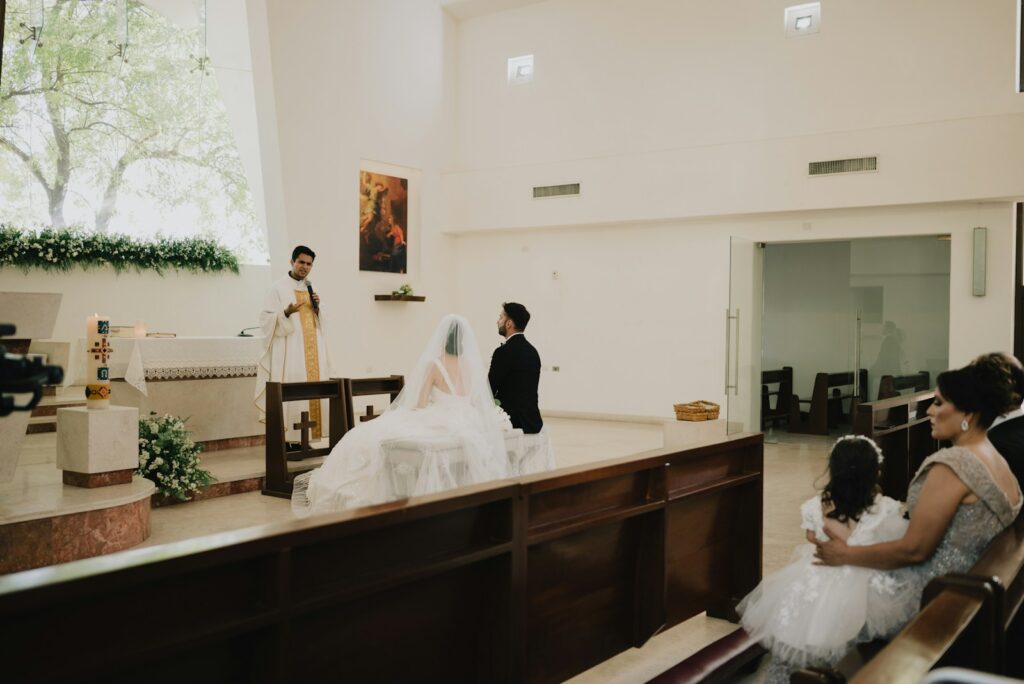
After the ceremony, the bride tried to push aside her disappointment by enjoying the reception. She danced and celebrated, but the feelings lingered. The next day, she found herself replaying that moment, feeling that something uniquely special had been taken away from her. She was not able to enjoy what should have been one of the most important moments of her life, filling her with frustration and regret.
In a follow-up, she addressed her parents about how their actions had affected her. They apologized, saying they didn’t realize how upset she had been at the time. They also expressed their own nerves about the ceremony as a reason for not handling the situation better. However, their excuses, combined with their insistence that she should have advocated more strongly for herself, left her feeling somewhat unresolved. It wasn’t just about that moment on the wedding day; it was about being heard and prioritized in significant life events.
People had very different reactions to the bride’s experience. Some expressed strong support for her feelings, emphasizing that her parents overstepped by making that decision without her consent. They pointed out that her wedding day was about her, and including someone else at the last minute disregarded her wishes. Others thought it might not be worth dwelling on, suggesting she take some space from her family for a while to cool off.
The complexity of family dynamics during important life events was evident in the comments. Some highlighted how easy it can be for family members to forget the bride’s perspective when emotions run high. It’s common for relatives to prioritize their own feelings over those of the one getting married, especially in a moment that is inherently emotional and charged.
While the bride navigated her feelings, it seemed clear that her parents’ actions had shaken her trust. They wanted to make everyone happy but missed the mark when it came to considering her wishes. The conversation that followed, filled with apologies and justifications, left her uncertain about how to move forward. She needs reassurance that future milestones will honor her voice and choices, not just those of other family members.
Ultimately, the situation reflects a common tension found within families, especially during significant celebrations. Can a balance be struck between individual desires and familial expectations? Or do such moments inherently lead to misunderstandings that cast shadows over joyful occasions? It raises the question of how to ensure that important moments truly belong to those they are meant for.
More from Decluttering Mom: