One daughter is grappling with an uncomfortable truth: her estranged father is dying, and she’s caught in the crossfire of family pressure. For the past four years, she has distanced herself from a man whose history is filled with substance abuse and violence. Now, as he enters palliative care, relatives urge her to visit, warning her that she might regret not saying goodbye.
The father, described as a “cokehead and a drunk,” was abusive to his family for as long as she can remember. His struggles with addiction left scars that shaped her childhood, leading her to establish a firm boundary between herself and him. Despite being diagnosed with cancer three years ago, her father’s condition has deteriorated, and it seems treatment only postponed the inevitable. His worsening behavior, communicated through her mother, raises questions about whether a visit would provide closure or simply reopen old wounds.
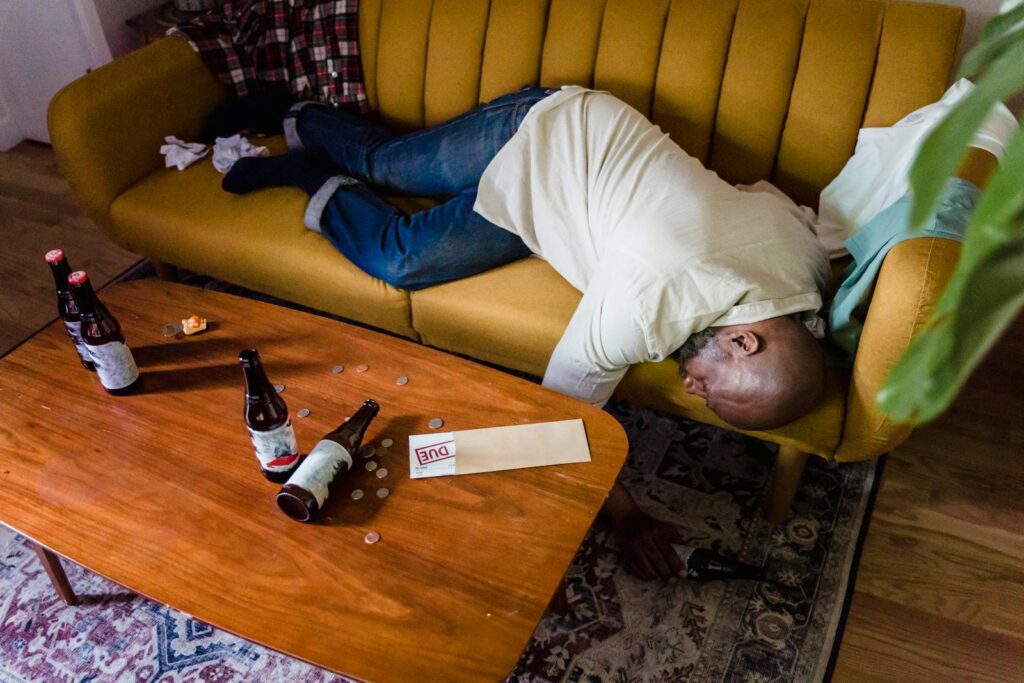
As family members voice their concerns, suggesting that she will regret her decision if she chooses not to see him, she feels the weight of this guilt. People often underestimate the psychological toll of an abusive relationship. The idea of confronting a figure that caused so much pain is daunting, even if it means facing a dying man. The conflicting emotions are palpable: a desire for peace, mixed with lingering resentment and trauma.
In the Reddit discussion, users shared their own experiences of dealing with estranged parents. Some had chosen to reconcile before it was too late, while others firmly decided against it. Many participants spoke from a place of personal reflection, noting the complexity of these situations. It wasn’t just about saying goodbye; it was about grappling with the relationship’s history.
People had very different reactions to her dilemma. Some expressed sympathy, suggesting that she consider the potential for closure, even if that meant facing discomfort. They argued that a final meeting could help her find a sense of peace, even if it wasn’t the resolution she hoped for. Others pointed out that she might feel relief, or even a sense of freedom, by sticking to her boundaries and prioritizing her well-being over family pressure.
Some users shared accounts of their own estranged relationships, recounting similar struggles. A few emphasized that reconnecting had led to unexpected healing, while others insisted that avoiding contact was the right choice given the circumstances. The responses highlighted how personal experiences shape opinions on estrangement and forgiveness.
There’s also the uncomfortable reality that the pressure to visit stems from a place of discomfort for the family as much as for her. It’s easier for others to suggest reconciliation than to confront the messiness of addiction and abuse themselves. The expectations placed upon her might reflect their own fears about regret and what it means to forgive.
As the conversation unfolds, the daughter finds herself holding onto her decision, despite the weight of family opinions. She recognizes the manipulation behind their comments about regretting her choice. Guilt can be a powerful motivator, but she understands that true healing may require boundaries, not just familial obligations. Every relationship has its complexities, and sometimes, the most loving choice is the hardest one.
This situation raises deeper questions. Can closure really be found in a visit that might only reopen old wounds? Is there a way to reconcile feelings of guilt while also prioritizing personal healing? The challenge of navigating estrangement in the face of mortality is not just about one person’s final days; it’s about the lasting impact of choices made long before illness loomed large.
More from Decluttering Mom: