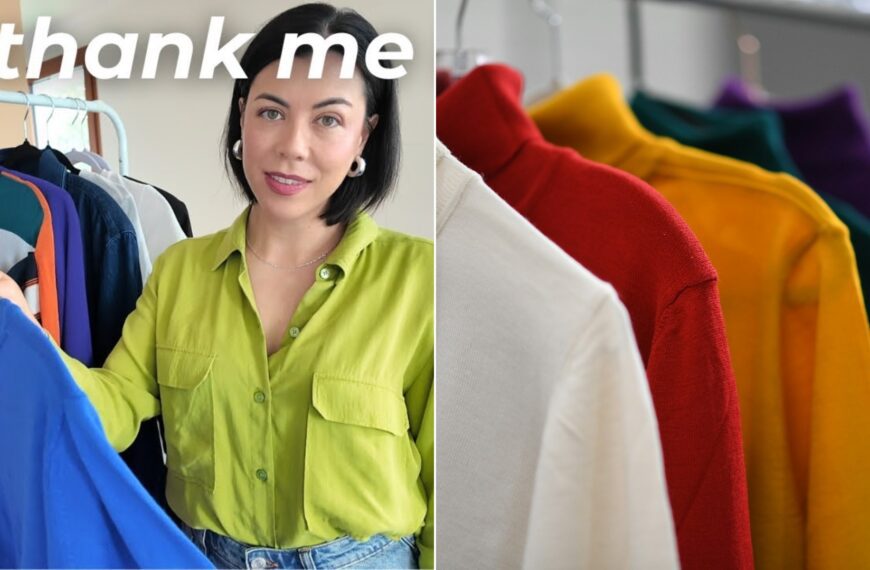
Everybody says decluttering is simple. Just donate it. But anyone who has stood in a closet with a bag of unwanted clothes knows it is not that easy, and sometimes no one wants your stuff. Madeline Hegedus says there are a few harsh truths about clearing out your home, and the first one hits right in the wallet.
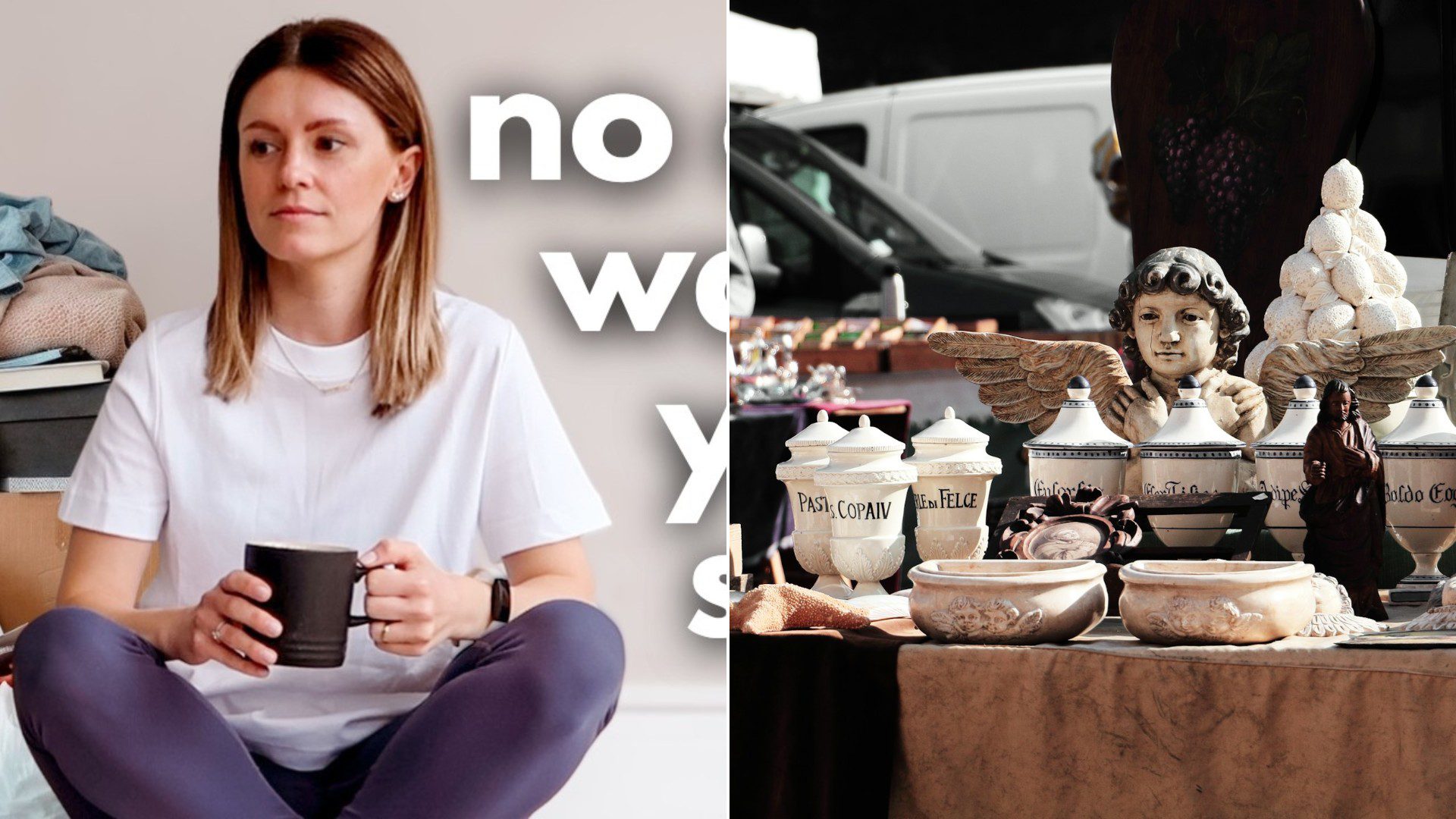
Her rule for items she hopes to sell is simple. She gives them about two weeks. If nobody is buying, she takes it as a good sign to take the listing down and give the item away for free, donate it or find another place for it. Her reasoning: simply keeping an item in the closet does not bring the money back.
That rule grew out of years of trial and error, and she shares the thinking behind it.
Truth One, We Overvalue Our Things
She points to the sunk cost fallacy, an idea she learned from the book Thinking, Fast and Slow. It says the pain of admitting a loss outweighs the pleasure of a new gain, especially for things we have already put time, money or effort into. That is why people sit through a movie they dislike just because they have already watched half of it, why some stay in relationships that no longer make them happy, and why we keep things we no longer use.
She saw this in herself. While decluttering, she kept a lot of items to sell because she felt she should get her money back, even when there was no interest in them. Depending on the item, a very high value piece might get longer. Generally, though, two weeks is her limit. After that, it moves on to someone who will use it.
Truth Two, Few Purchases Are Investments
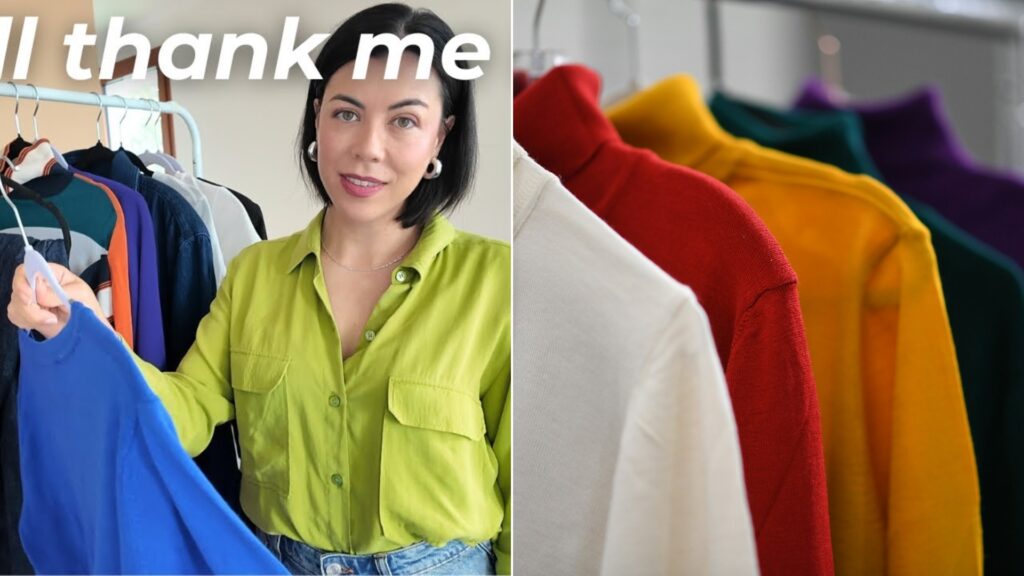
The only true investment most of us make, she says, is the house we live in. Everything else called an “investment piece” is usually a marketing line, especially online from influencers, designed to make you feel you will get much of the money back. She sees it a lot with fashion and says she does not treat clothes as investments.
Take a pricey sweater, she says. Things usually do not hold their value as much as we think, and they can be ruined. Cashmere has shrunk in her own wash. So when she buys something nice, it is not because she expects to resell it for a profit. It is because she hopes to wear it for a long time and enjoy it. Buying a lot of clothes under the banner of investment, she says, was really her way of justifying a shopping problem instead of being honest with herself.
Truth Three, Decluttering Does Not Make Things Disappear
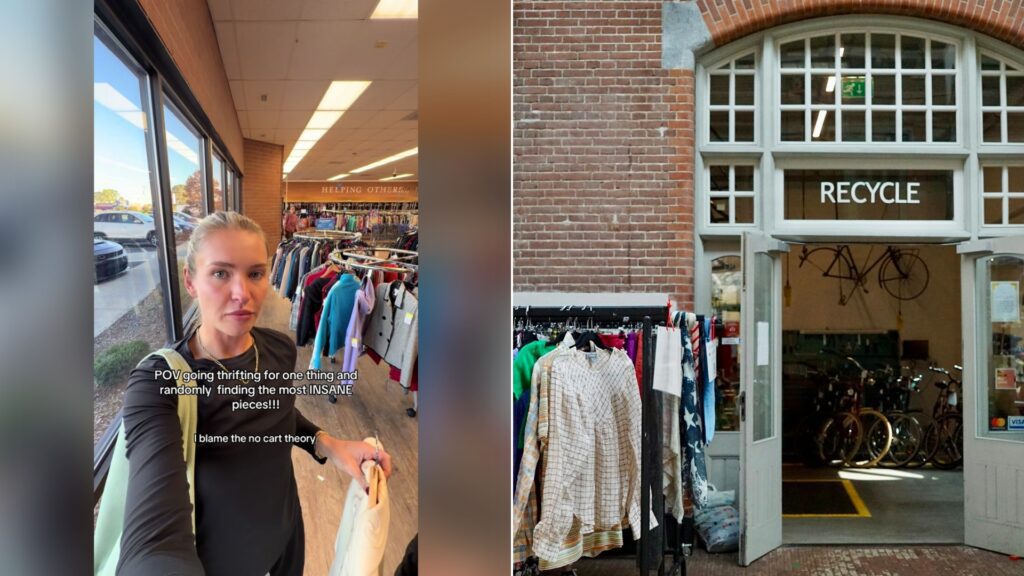
She cites estimates of 92 million tons of textile waste every year and says about 57% of clothing ends up in landfills. Tossing everything in a bin bag, or decluttering only to buy it all again, is not the goal. She says charity shops and donation bins are good places to try, but ideally you find items a better home, and she sells on resale apps whenever she can, even though it takes extra effort.
She also tries to factor that effort in when she buys something. She cites the idea of the silent to-do list from the book Goodbye, Things by Fumio Sasaki: the more items you own, the more work you will eventually have to do moving, selling, donating, organizing or cleaning them. Remembering that makes her want to buy less.
The Consumption Cycle and the Wrong Regret
We have all done it, she says, herself included. We clear out the closet and then reward ourselves with more stuff, especially when social media is full of fashion hauls and whole new wardrobes every season. Just because something is cute in the shop or cheap, it does not mean it needs a place in your home. If she has no spot in mind for a piece of decor, or does not see herself wearing a garment a lot, she puts it on a wish list and thinks about it for a few weeks.
She also says people talk a lot about the regret of getting rid of something, but not enough about regret after a purchase. We tend to justify a bad buy to ourselves, which she did for years. She cites an article on ScienceDirect saying 82% of people regret a purchase, particularly clothing, and an estimate that 30% of clothes bought by UK shoppers are left unworn at home. Her new habit is to return things instead: admit it was not a good decision, save the money and save yourself future decluttering.
Where Your Stuff Can Actually Go
A message she gets often is that people are ready to declutter but cannot figure out where to take their things, and that worry stops them from starting. Her answer is to decide what you want to declutter first, and promise yourself you will find a place. Unless something is broken, moldy or unusable, it can usually find a home, and a simple Google search in your area helps.
- Blankets, bedding and towels can go to animal shelters.
- Toys and kids’ items can go to schools and local nurseries, which may use them in play groups.
- Home items can go in a local freebie Facebook group, where she says people collected them straight away.
- Items worth something can be sold on resale sites or eBay, and she lowers the price if a listing sits.
Her last point is to be more intentional with purchases. That does not mean never shopping again, since kids grow, bodies change and tastes change. It means thinking before you buy, which helps with clutter and with your budget. Her closing question to anyone listening is how their own decluttering is going.
More Stories You May Like
- Minimalist Mom Lists The Everyday Things She Does Not Own Including A Coffee Table Curtains And Extra Kitchen Appliances And Never Misses Them
- Consuming Too Much Decluttering Advice Can Make Decluttering Feel Harder, Because Your Brain Gets Overloaded If You Never Act On It
- How to Thrift Things That Actually Sell Is Explained by a Reseller Who Says Most People Buy the Wrong Items