You can clear countertop clutter and find things fast using jars you already have. Grab a handful of empty glass jars and you’ll instantly create visible, stackable storage for staples, utensils, and small tools that usually disappear into the chaos. Using jars for dry goods, utensils, and fridge items gives you a neat, uniform system that saves time and makes everything easier to spot.
Think about the ways jars let you see contents at a glance, use vertical space, and keep counters and drawers tidy without buying new containers. You’ll also learn simple hacks for hanging jars, labeling them, and turning mismatched jars into a coordinated look that fits your kitchen style.
Beyond neatness, repurposing jars cuts waste and costs while adding character to your space. Expect practical tips for pantry jars, countertop utensil stations, and eco-friendly upcycling ideas that make organizing feel creative rather than chore-like.
Transforming Kitchen Chaos With Glass Jars
Use clear glass jars to create visible zones, control portions, and make frequently used items easy to grab. Proper lids and consistent labeling keep food fresh and prevent duplicate purchases.
Pantry and Dry Good Storage
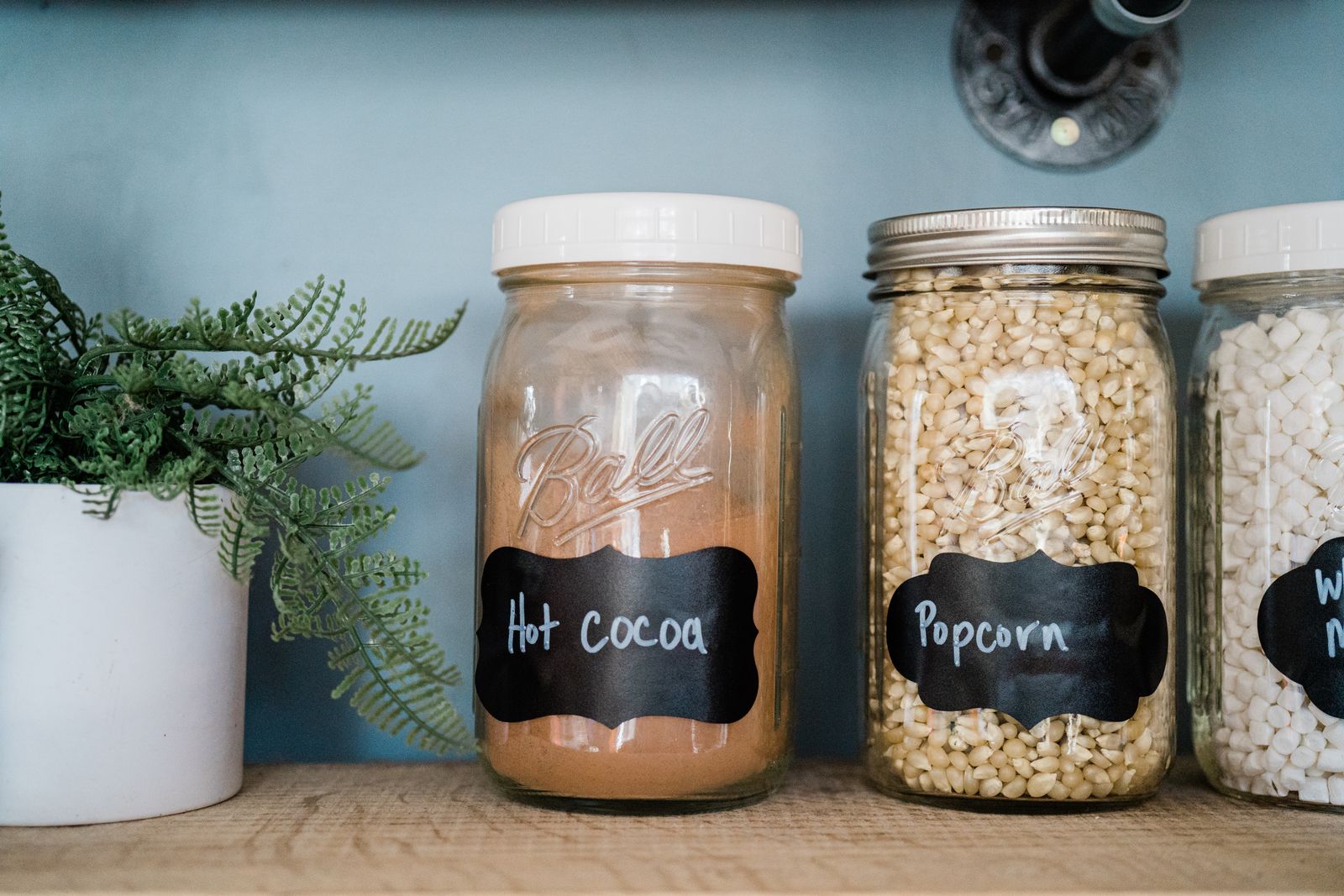
Choose uniform mason jars for staples like rice, oats, and pasta to maximize shelf efficiency and create a tidy visual system. Tall, narrow jars save vertical space for spaghetti and lentils; wide-mouth jars work best for flour and sugar so you can scoop without spilling.
Label each jar with content and weight or expiration date using adhesive labels or chalkboard tags. Store similar items together—grains on one shelf, baking supplies on another—to speed meal prep. Use airtight lids or rubber-gasket jars to keep moisture out and extend shelf life.
Stack smaller jars or use risers to make back-row contents visible. Reserve a set of clear spice jars for frequently used seasonings and keep them on a spice rack or magnetic strip for quick access.
Decluttering Drawers With Practical Dividers
Turn low, messy drawers into orderly zones by lining them with shallow glass jars for utensils, packets, and small tools. Use identical small jars as drawer dividers; they hold measuring spoons, rubber bands, and chip clips upright and visible.
Secure jars to a non-slip liner or mount them with Velcro pads to prevent shifting when you open drawers. For longer tools—whisks, spatulas—use a row of tall jars laid on their sides or anchored with a wooden slat to keep handles aligned.
Label the underside of the drawer lid or the jar lids so you can quickly return items to their proper place. This method reduces time searching and stops small items from getting buried at the back of the drawer.
Effortless Fridge and Countertop Organization
Use glass jars in the fridge for prepped ingredients: chopped herbs, dressing, and single-serve sauces. Clear jars let you see freshness at a glance and reduce spoilage from forgotten items.
On countertops, designate jars for everyday tools—wooden spoons, tongs, and spatulas—so they stay within arm’s reach while you cook. For snacks and grab-and-go items, use jars with flip-top or snap lids to keep contents fresh and visible to the whole household.
Group jars by function on a tray or turntable to keep clusters portable and contained. For small produce like cherry tomatoes or berries, choose shallow jars with lids to avoid crushing while preserving visibility.
Smart Repurposing for Kitchen Zones
Upcycle jam and condiment jars into niche organizers across your kitchen. Use small jars for spice blends, coffee pods, or tea bags in a beverage station to keep spills confined and ingredients labeled.
Convert larger jars into planters for counter herbs; keep basil, parsley, and cilantro in water-filled jars with perforated lids for aeration. Turn lids into storage solutions by adding a hole for a pour spout—ideal for oils or homemade dressings.
Use color-coded lids or ribbons to mark zones: green for baking, red for snacks, blue for refrigerated items. Repurposed jars save money and reduce waste while creating a cohesive, functional layout for every kitchen zone.
Eco-Friendly Organization and Creative Upcycling
Empty jars become practical organizers, decorative accents, and useful gifts when you repurpose them. You’ll save space, cut single-use plastic, and create tailored storage solutions that match your kitchen’s workflow.
Reducing Waste and Environmental Impact
When you reuse jars you reduce packaging waste and lower trips to the store for storage containers. Keep a small bin for rinsed jars and sort lids by size so you can grab matching pairs quickly.
Clean jars with hot water and baking soda to remove labels; metal lids can be washed and painted. Use clear jars for bulk staples—rice, lentils, oats—so you see quantities at a glance and avoid buying duplicates. Airtight lids or rubber gaskets extend shelf life and reduce food spoilage, which directly cuts household waste.
Label jars with reusable chalk tags or adhesive labels you can peel off and replace. That simple step helps you maintain inventory and minimizes impulse buys that create more packaging waste.
Fun Mason Jar Accessories and DIY Ideas
Mason jars adapt to dozens of uses and accessories make them more functional. Add a dispenser lid to turn a jar into a dry-ingredient shaker for flour or powdered sugar. Screw-on pour spouts work well for oils or vinegar, keeping counters cleaner.
Try these quick DIY upgrades:
- Paint lids for color-coded pantry zones.
- Drill a hole in the lid and add a pump for hand soap.
- Glue a small magnet to the lid for spice jars on a magnetic strip.
For gifts, layer dry-cookie ingredients in a jar, seal, and attach baking instructions. Use twine, fabric, or stencils to personalize each jar. These projects keep jars in circulation and reduce the need to buy single-use gift packaging.
Beyond the Kitchen: Homewide Organization
Jars organize more than food; they tame clutter throughout your home. Use small jars for loose office supplies—paper clips, push pins, USB sticks—so you find items quickly and your desk looks neater.
In the bathroom, store cotton balls, hair ties, and makeup pads in labeled jars. In the craft room, sort beads, buttons, and sewing needles by size and color. Mount lids under a shelf to create hanging storage for frequently used small items.
For larger-scale solutions, group jars on a labeled shelf or in drop-in baskets so guests and family know where things belong. Repurposed jars make organization visible and durable, helping you maintain order while reducing waste.
Additional inspiration: try these curated upcycled-jar ideas for storage and decor to jumpstart your projects. (See practical jar uses and tutorials at 25 Creative Ways to Upcycle Glass Jars.)