A heated online discussion has emerged after new parents began questioning whether the rigid adherence to wake windows—prescribed periods when babies should be awake before sleeping—is truly necessary, or if a more relaxed approach inspired by European parenting culture might work just as well. The debate gained momentum when American mom Monica Millington shared her experience with what she calls “European parenting”, which involves bringing babies along to adult activities and letting them sleep on the go rather than structuring days around strict schedules.
While some sleep consultants and parents swear by precise wake windows for optimal infant rest, a growing number of experts point out that wake windows lack strong scientific evidence and may be causing parents unnecessary stress. The contrast between American parenting norms—often centered on dedicated baby activities and strict sleep schedules—and the European approach of integrating infants into everyday adult life has sparked passionate responses from parents on both sides.
The conversation has touched a nerve among exhausted parents trying to navigate conflicting advice about baby sleep. Some commenters shared fond memories of falling asleep under piles of coats at restaurants while their parents socialized, while others argued that child-focused activities exist for important developmental reasons and shouldn’t be dismissed entirely.
Are Strict Wake Windows Really Necessary? Exploring the Debate
The controversy centers on whether parents need to meticulously track their baby’s awake time between naps or if a more relaxed approach works just as well. Sleep consultants and parenting influencers have popularized precise wake window charts, while many European parents report success with babies who simply nap in strollers during daily activities.
Origins and Rise of Wake Window Trends
Wake windows emerged as a dominant trend in baby sleep advice over the past decade, largely amplified through social media platforms. The concept suggests that babies need specific amounts of awake time between naps based on their age—too little and they’re undertired, too much and they become overtired.
Instagram and TikTok influencers began sharing detailed charts showing exact wake windows for each month of infancy. A three-month-old might be prescribed 90 minutes awake, while a six-month-old gets exactly 2.5 hours. These precise numbers gave exhausted parents a sense of control over their baby’s unpredictable sleep patterns.
The appeal was immediate. Parents struggling with infant sleep found comfort in following specific schedules rather than guessing when their baby needed rest. Sleep consultants built entire businesses around optimizing wake windows and nap schedules. However, critics note that wake windows lack the evidence-based foundation many parents assume they have.
What Science Says About Wake Windows and Baby Sleep Needs

The scientific understanding of infant sleep reveals more complexity than simple wake window charts suggest. Baby sleep operates through two main drives: homeostatic sleep pressure (how long a baby has been awake) and circadian rhythm (the internal body clock).
Research on sleep drives shows that wake windows focus almost entirely on acute sleep pressure while ignoring chronic sleep debt and circadian rhythm. A baby who hasn’t slept enough over several days may need earlier naps than usual, regardless of what a wake window chart recommends.
The circadian rhythm also promotes sleep at specific clock times each day, influenced by morning light exposure. This means a baby might be biologically ready for bedtime at 7:30 PM regardless of when their last nap ended. The “wake maintenance zone” can make it difficult for babies to fall asleep earlier than their natural bedtime, even if wake windows suggest they should be tired.
Impact of Structures vs. Flexible Routines on Family Life
The debate between rigid schedules and flexibility reflects broader cultural differences in parenting approaches. American parents often structure entire days around preserving wake windows and nap schedules, declining social invitations or rushing home to maintain timing.
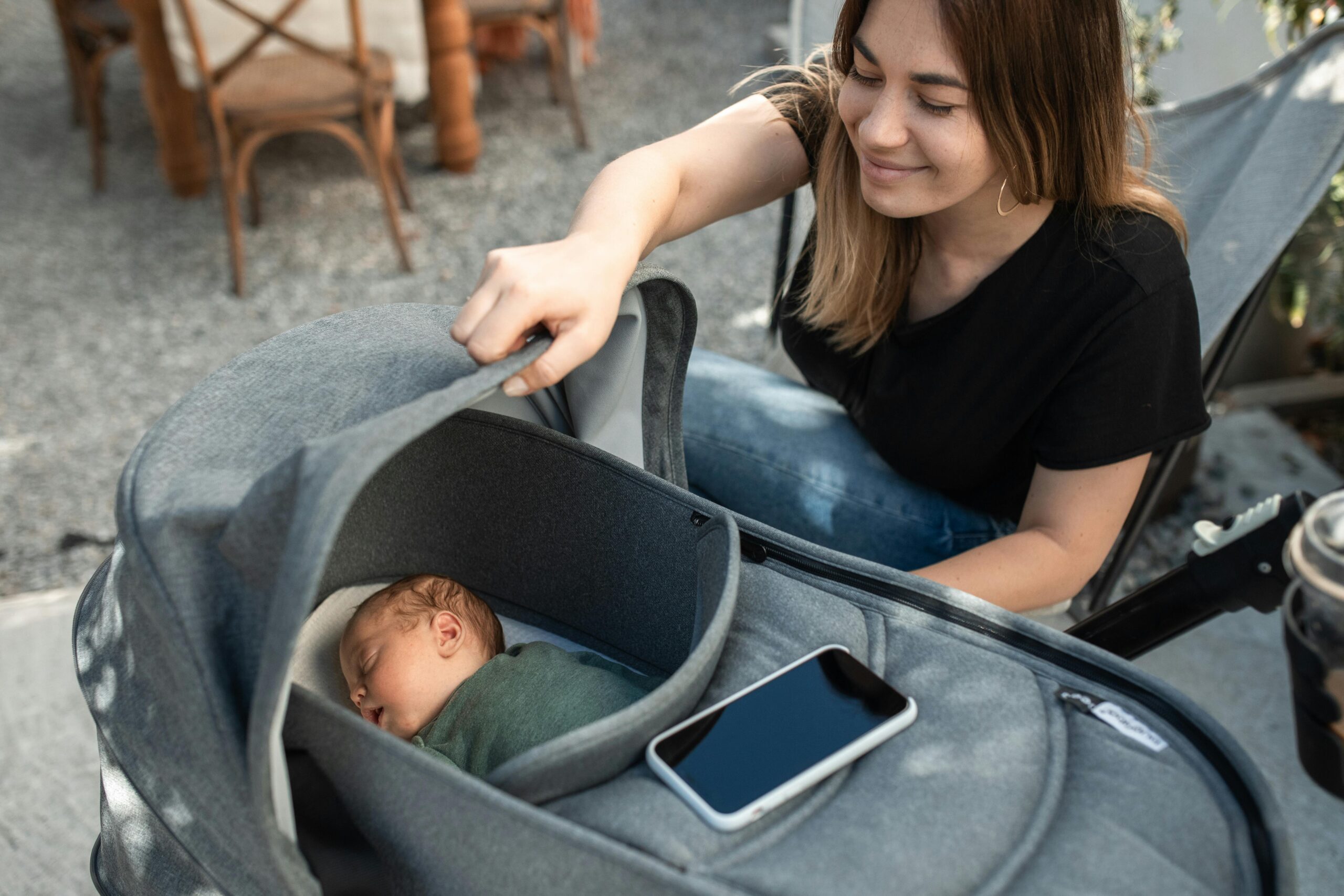
European families frequently take a different approach, allowing babies to sleep in strollers during errands, café visits, or family gatherings. These parents report that their babies adapt to sleeping on the go without developing long-term sleep problems. The contrast raises questions about whether strict adherence to wake windows serves the baby’s needs or parental anxiety.
Some parents report that obsessing over wake windows led them to develop orthosomnia—a condition where excessive focus on sleep optimization actually worsens sleep quality. Others found that treating wake windows as flexible guidelines rather than strict rules reduced their stress while their babies slept just as well. The debate continues as parents weigh structure against spontaneity in daily life.
European Parenting Styles: Sleeping On the Go and Integrating Babies Into Daily Life
European parents often let babies nap in strollers during errands and social outings rather than rushing home for scheduled sleep times. This approach prioritizes fitting children into existing adult routines instead of restructuring daily life around rigid wake windows.
How European Parents Approach Baby Sleep and Daily Routines
Many European families don’t organize their days around strict nap schedules. Parents in countries like France, Italy, and Spain commonly bring infants to cafes, markets, and restaurants where babies sleep in strollers or carriers while adults socialize.
Research comparing infant sleep across cultures shows that European families often have different expectations about where and when babies sleep. Instead of darkened nurseries with white noise machines, babies might doze off at a dinner table or during a walk through town.
The approach relies less on tracking wake windows and more on reading a baby’s cues for tiredness. When a baby shows signs of sleep pressure building up, parents provide an opportunity to sleep wherever they happen to be. This flexibility means toddler sleep patterns develop within the family’s existing rhythm rather than dictating it.
Parenting With Strollers, On-the-Go Naps, and Social Events
European mom culture treats babies as portable participants in adult activities rather than requiring separate child-focused schedules. Strollers become mobile sleep spaces at outdoor restaurants, farmer’s markets, and evening gatherings with friends.
Parents commonly attend dinners at 7 or 8 PM with infants who might stay up later than American pediatric guidelines suggest. The baby sleeps in the stroller beside the table or gets passed around among adults. Weekend plans include taking babies to beaches or museums rather than staying home for protected nap times.
This integration doesn’t mean ignoring sleep entirely. Parents still recognize when babies need rest, but they allow that rest to happen in varied environments. The goal is raising adaptable children who can sleep in different settings rather than only in controlled conditions.
Balancing Sleep Drive, Circadian Rhythm, and Baby’s Adaptability
European parents generally trust that a baby’s natural sleep drive will assert itself when needed. They’re less concerned about precisely timed wake windows and more focused on whether the child seems rested overall.
The circadian rhythm still develops on its own schedule, but families don’t feel pressure to enforce early bedtimes if it conflicts with cultural norms around late dinners or evening social life. Babies gradually adjust to their family’s patterns.
Critics argue this approach might not work for all temperaments, and some babies need more sleep structure. Supporters counter that children become more flexible when exposed to varied sleep environments from early on. The debate continues between parents who follow strict sleep training protocols and those who adopt a more relaxed integration model.
More from Decluttering Mom: