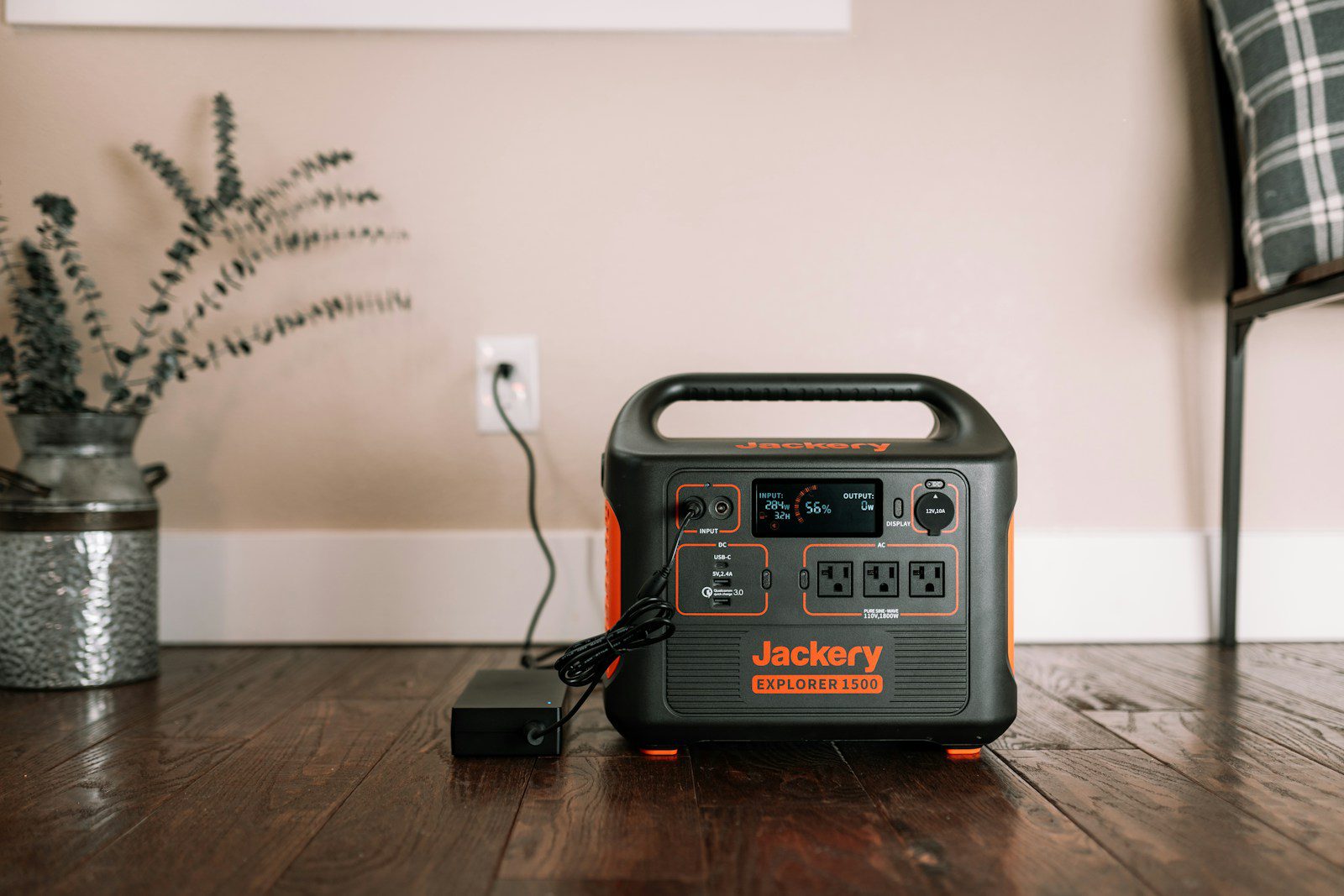
The U.S. Consumer Product Safety Commission is telling homeowners to move portable generators and grills at least 20 feet from windows, doors and vents right now, before the season’s first winter storm cuts power and pushes people toward dangerous shortcuts to stay warm, according to a CPSC advisory. Portable generators alone are linked to roughly 100 carbon monoxide deaths a year in the U.S., the agency says, and most of those deaths happen because a generator was running too close to a living space.
Carbon monoxide is invisible and odorless, which is what makes the timing of this warning matter: once a storm knocks out heat and light, people move generators, grills and camp stoves indoors or onto porches without registering the risk until symptoms hit.
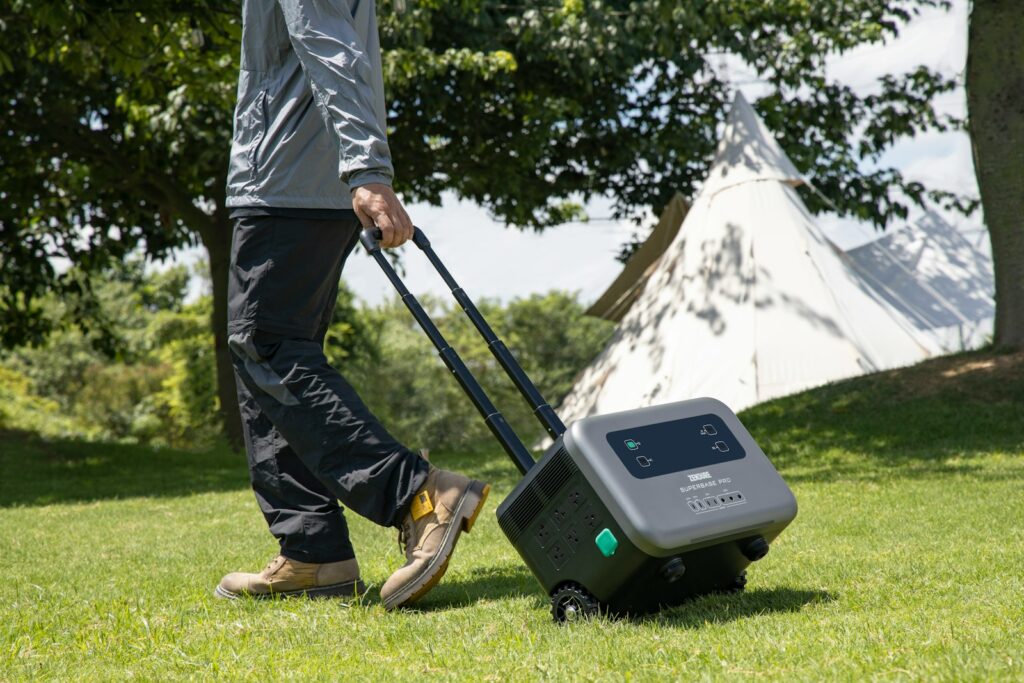
What the CPSC Wants Homeowners to Do
- Never run a generator inside a home, garage, basement, crawlspace or shed, even with doors and windows open, according to the CPSC.
- Keep generators at least 20 feet from the house, with the exhaust pointed away from windows, doors and vent openings, the agency advises.
- Don’t use a generator on a porch or carport. The CPSC says both are still too close to living spaces to be safe.
- Never grill with charcoal indoors or in a garage. Charcoal and gas grills produce carbon monoxide just like generators do when used in enclosed spaces.
- Close windows and seal nearby vents once outdoor equipment is running, and clear snow away from fuel-burning appliance vents outside the home.
- Install battery-powered or battery-backup smoke and CO alarms on every level of the home and outside sleeping areas, and test them monthly, per CPSC guidance.
Space Heaters and Candles Carry Their Own Risk
The same advisory covers indoor heat sources people reach for when the power is out. Portable space heaters need at least 3 feet of clearance from beds, curtains and furniture, should sit on stable, level surfaces, and should never be plugged into a power strip or run unattended, the CPSC says. For light during an outage, the agency recommends flashlights or battery-operated candles over open flames, since unattended candles are a common cause of winter house fires.
Why the Warning Is Timed to Storm Season
Consumer product-related incidents cost the country more than $1 trillion annually, according to the CPSC’s own estimate, and winter storms reliably drive a spike in both fire and CO cases as households lose power and improvise. The agency’s message is essentially about distance and airflow: keep combustion sources far from the building envelope, and make sure every level of the house has a working alarm before, not after, the lights go out.