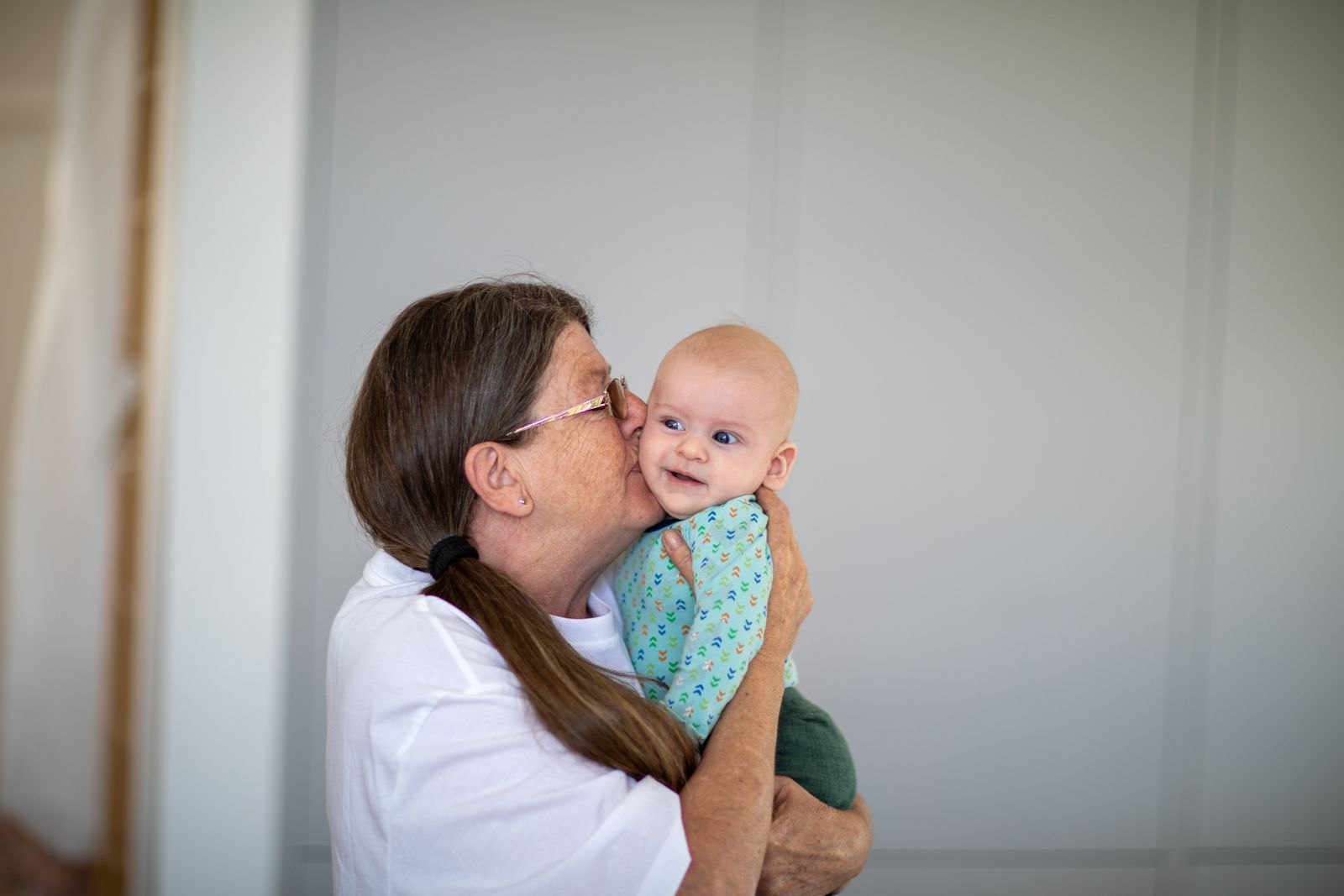
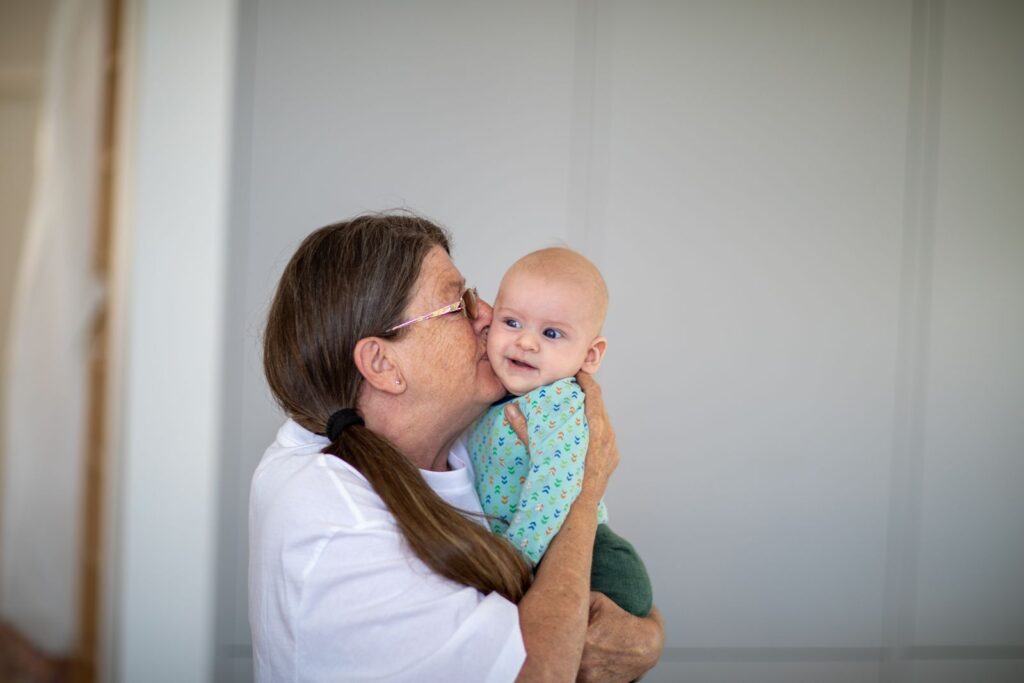
One mom was caught off guard when her mother treated every little action of her baby as a possible medical crisis. The baby sneezed, and suddenly, it was as if a red flag had been raised. The grandmother’s immediate reaction was to worry that he might not be able to get a vaccine if he was sick, despite the fact that the baby was clearly just reacting to the overpowering perfume she wore. It was a moment filled with confusion and frustration.
Every drool, every sneeze, and even the quiet times felt like reasons for alarm. The grandmother’s instincts kicked in with every minor occurrence. The baby’s sneezing was labeled a sign of illness, and when he drooled, it somehow turned into a potential sign of constipation. The mom felt the need to shout that her baby was fine, but the concern from her mother didn’t let up. “Why must there be something wrong with my baby?” she wondered as her patience wore thin. It was baffling to her that the natural behaviors of an infant were being exaggerated into serious issues.
This situation sometimes leads to misunderstandings that arise from differing views on parenting. One mom voiced her exasperation on Reddit, illustrating how her mother’s worry turned every innocuous act into something requiring discussion or a visit to the doctor. It’s common for parents and grandparents to have different perspectives, but this seemed to cross a line into the realm of anxiety and overreaction.
People had very different reactions to the mom’s post. Some thought the grandmother’s concern was unnecessary and pointed out that it’s typical for babies to drool and sneeze without it signaling something serious. “Babies drool, it’s what they do,” one commenter noted, emphasizing how normal these behaviors are for infants.
Others pointed out that grandparents often come from a different era of parenting, where smaller signs of potential illness might have seemed more alarming. They suggested that the grandmother’s reactions could be rooted in a genuine concern but might just be a bit too much for the current parenting climate. After all, many parents today are well-informed and often don’t see a need to panic over every little thing.
As the conversation unfolded, some users even shared their own stories about overbearing grandparents who reacted strongly to minor baby issues. The sharing of experiences showed that this isn’t a unique situation for just one mom. It seems many feel the pressure of handling an overzealous grandparent. They described navigating moments where they had to firmly, yet gently, reassure their parents that the baby was fine, just to have their worries dismissed or minimized in the process.
While the original poster expressed her frustration with her mother’s reactions, others pointed out that this kind of behavior might not be entirely unusual. Some offered suggestions on how to address the issue without escalating it into an argument or disagreement. They advised finding ways to include the grandmother in positive discussions about the baby’s health and milestones to help ease her concerns.
As discussions continued, the mom’s desire for her own space to manage her baby was clear. She wanted to navigate these little moments without added stress from her mother. The challenge of balancing respect for a grandparent’s love while establishing boundaries as a parent is a common theme that many can relate to. It’s that tricky line where love and worry can sometimes feel overwhelming.
In the end, the original poster ended up with more questions than answers. How does one manage the instinctual worry of a grandparent while also ensuring their own parenting instincts aren’t overshadowed? It’s a delicate balance that many find themselves navigating in the chaotic world of raising children.
More from Decluttering Mom: