


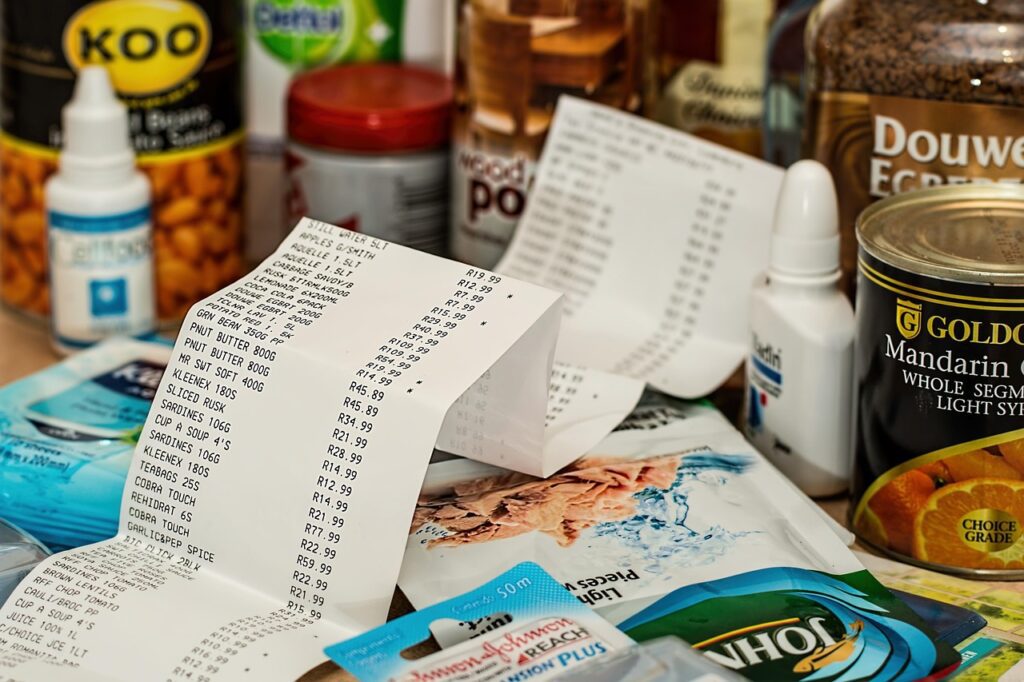
You’re feeling grocery pain because tariffs and inflation keep nudging prices higher, and this piece shows practical moves you can use today to cut costs without sacrificing meals. A grocery-price expert lays out simple, proven strategies — from planning meals around sales to embracing store brands and stacking discounts — that can lower your bill this week.
They explain why tariffs, labor costs, and supply-chain issues push prices up so you can spot which items will stay expensive and which you can target for savings. Expect clear, tactical tips you can apply on your next trip to stretch each dollar further.

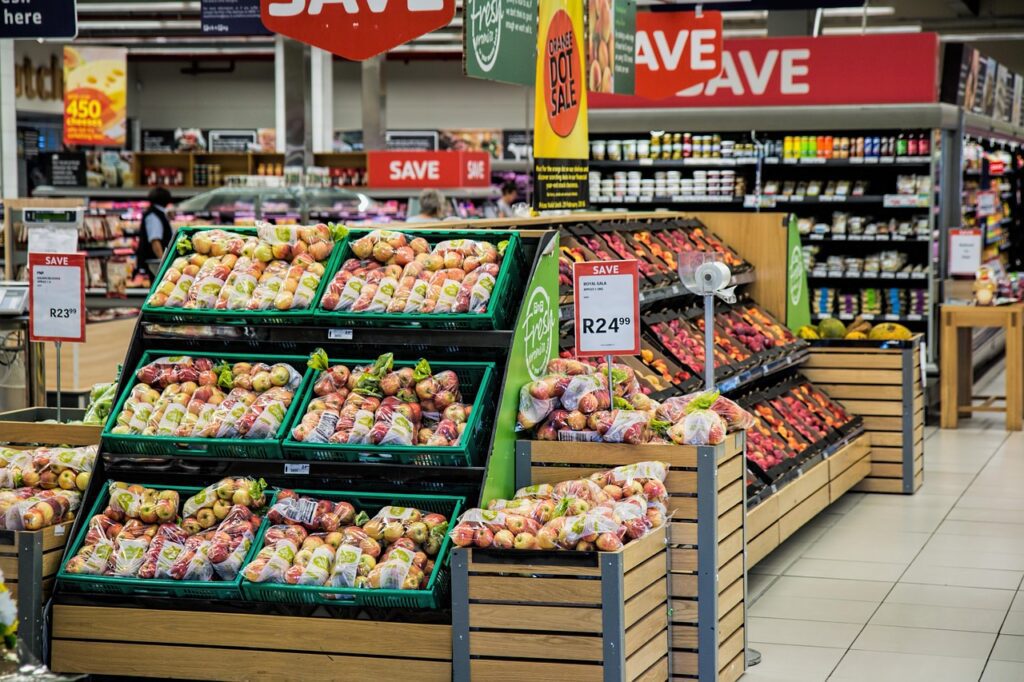
Why Grocery Prices Keep Rising: Tariffs, Inflation, and Food Costs
Prices for staples like bananas, coffee, eggs, meat, and dairy have climbed for specific reasons shoppers feel at checkout: higher import taxes, broad inflationary pressure across the economy, and changes in how stores package and price goods. Each factor affects grocery bills differently and often layers on top of the others.
The Impact of Tariffs on Everyday Essentials
Tariffs add a direct, visible cost to many imported food items. When import duties rise on products such as coffee or bananas, wholesalers pay more and pass those costs down the chain. Shoppers then see higher shelf prices or smaller package sizes to mask the increase.
Tariffs also change sourcing decisions. Retailers may switch suppliers, which can raise logistics costs and create temporary shortages that push prices up. For context on recent policy shifts and their effect on consumer prices, see reporting on how tariffs have affected grocery costs.
How Inflation Affects Grocery Bills
Inflation raises the general price level, but food prices often move differently from headline inflation. Labor costs in farms, processing plants, and trucking have risen, adding to unit costs for meat and produce. Weather-related crop losses and disease outbreaks can reduce supply, amplifying price moves for affected items.
Central bank measures to tame inflation influence interest rates and freight costs, which feed into food prices. Because food is purchased frequently, even small month-to-month increases in the consumer price index show up quickly in household budgets and cause persistent pressure on grocery bills.
Store Strategies and Shrinkflation Explained
Retailers use several tactics to protect margins without overtly raising shelf prices. Shrinkflation—selling the same package for the same price but with less product—reduces per-unit cost increases that would be obvious to shoppers. Private-label expansion is another tactic: stores push cheaper in-house brands to steer price-sensitive buyers.
Promotional strategies matter too. Fewer deep discounts and more targeted coupons shift cost burdens to non-loyal customers. Combined with inventory management that reduces markdowns, these store decisions translate into higher effective food costs for people who can’t chase sales.
Expert-Approved Ways to Save on Groceries Right Now
Smart shoppers plan ahead, pick lower-cost brands, stack digital savings and stay disciplined at the cart. Each tactic targets an easy-to-track part of grocery costs so weekly spending falls without sacrificing meals or quality.
Plan Your Meals and Make a Smart Shopping List
He builds weekly menus from items already in the pantry and fridge, then writes a shopping list that matches only those meals. Planning around sale proteins and seasonal produce lets him buy fewer full-price items and reduces wasted food.
Use a two-part list: “must-buys” (proteins, dairy, staples) and “stock-up” (on-sale goods for future meals). That keeps the cart focused and prevents overspending when a good deal appears.
Batch-cook proteins and freeze single portions to stretch expensive items across multiple meals. Check weekly ads or the store app before planning so meals align with advertised promotions and markdowns. Reverse meal planning—shopping sales first, then planning—works well when he has a small pantry stockpile.
Choose Store Brands Over Name Brands
They compare ingredient lists and prices on the shelf; often the retailer brand costs 20–40% less for similar ingredients. For staples like rice, canned tomatoes, pasta, and frozen vegetables, switching to store brands lowers the bill quickly.
Try one substitution per shopping trip to test taste and performance. If the store brand matches, make the swap permanent for multiplied savings.
Focus brand purchases on items where quality matters more—specialty cheeses, imported oils, or certain snacks. For the rest, rotate store-brand staples into the shopping list and use bulk sizes or multi-packs during promotions to cut unit cost.
Use Digital Coupons and Leverage Rewards
She scans the store app and manufacturer apps before shopping and loads digital coupons to her loyalty account. Combining manufacturer coupons with store promos and a loyalty discount can drop item prices significantly.
Enable auto-load offers and weekly personalized deals in the app so savings apply at checkout without fumbling printed coupons. Link a rewards credit card that offers grocery or cash-back bonuses for incremental savings on every trip.
Sign up for store loyalty programs and track points or digital rebates. Redeem rewards on non-perishables or during weeks when inflation bumps prices, using earned credit to offset higher grocery costs directly.
Avoid Impulse Buys and Costly Traps
They set a strict time limit for in-store trips and stick to the shopping list to prevent impulse purchases. Avoid endcap displays and checkout aisles where small high-margin items tempt shoppers.
Shop with a full stomach and use in-app price checks for bigger purchases to confirm a deal. If an item isn’t on the list and not a clear sale, skip it.
Watch for pricing tricks like “sale” tags on smaller package sizes or multi-buy prices that only save if all units are used. When tempted by a new product, add it to a wishlist in the app and revisit after one week to decide calmly.
More from Decluttering Mom: