


Groceries can take a big bite out of your budget, and it’s easy to feel stuck paying more than you want. Over time, I found that making just a few small swaps when shopping has helped me keep my spending in check without sacrificing what I enjoy eating.
These little changes add up, saving me hundreds of dollars a year while still allowing me to eat well. It’s all about being smart with choices and knowing where to cut costs without feeling deprived.

Swap fresh avocados for canned olives to save big
I used to buy fresh avocados all the time, but their price spikes made me think twice. Switching to canned olives has been a game-changer for my budget.
Olives add a salty, tangy flavor to salads and snacks, making them a tasty alternative. Plus, they last way longer in the pantry or fridge, so I waste less food.
This simple swap helps me save money without losing flavor. For more ideas on how to save, check out grocery swaps that can save you money.
Choose frozen mixed berries instead of fresh ones
I switched to frozen mixed berries because they last way longer than fresh ones. No more tossing spoiled fruit, which saves me money and reduces waste.
Frozen berries keep their nutrients well since they’re picked and frozen at peak ripeness. This means I get a good dose of vitamins and antioxidants any time of year.
I also like how frozen berries cost less, especially off-season. They’re perfect for smoothies, baking, or just snacking. Buying frozen mixed berries is a small swap that adds up to big savings for me.
Learn more about the benefits of frozen mixed berries here.
Buy store-brand canned beans over name-brand
I switched to store-brand canned beans a while ago, and it saves me quite a bit without sacrificing quality. Many store brands taste just as good as name brands, especially for baked beans.
I’ve found options like Safeway’s Signature Select to be tasty and budget-friendly. Plus, there’s no need to pay extra when the store-brand versions pack the same protein and fiber benefits.
If you want to see some expert thoughts on this, food editors often recommend store brands like 365 by Whole Foods Market as a smart buy. It’s an easy swap that makes a difference in my grocery bill.
For more details, check out this list of best canned bean brands.
Use oats instead of expensive granola for breakfast
I used to buy fancy granola all the time, but it quickly got pricey. Switching to plain rolled oats saved me a bunch. Oats cost way less and are just as filling.
I like to mix my oats with fresh fruit or a little honey to keep things tasty. Plus, oats give me more control over what goes into my breakfast compared to store-bought granola. You can learn more about making this swap at The Everygirl.
Replace ground beef with lentils in recipes
I started swapping ground beef with lentils to save money without giving up flavor. Lentils cook quickly and soak up spices really well, making them a great stand-in for beef in tacos, sauces, and meatballs.
I usually cook lentils until they’re soft, sometimes adding a beef bouillon cube to keep that meaty taste. Using lentils one-to-one for ground beef works best, especially when you mash them a bit.
It’s a simple switch that cuts costs and adds a boost of protein and fiber to my meals. If you want to try it, this guide on how to replace lentils with ground beef has some good tips. here
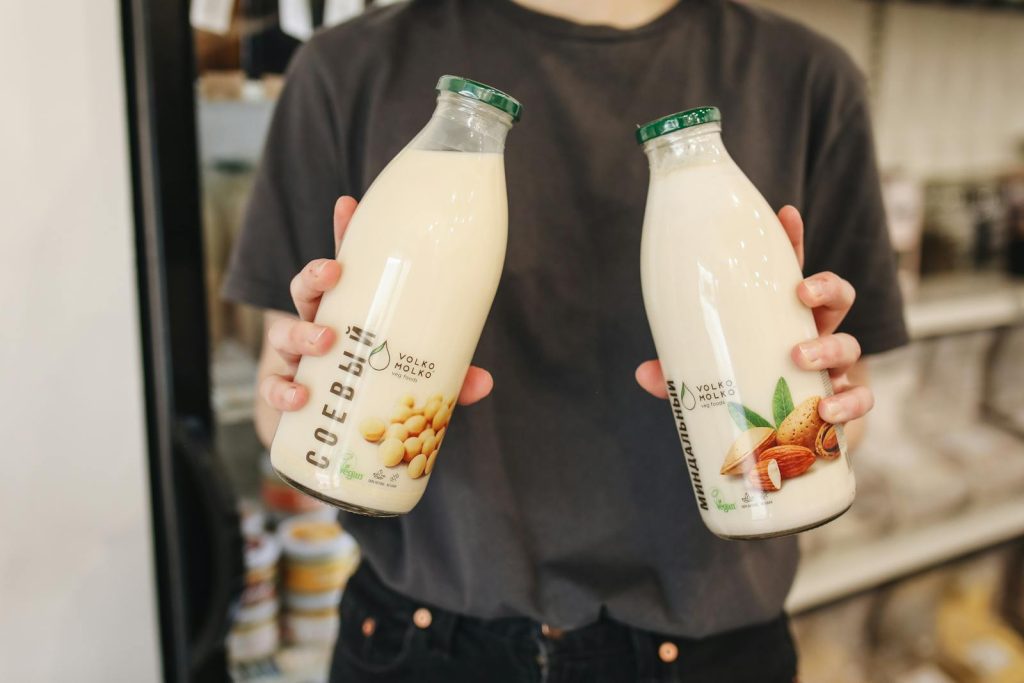
Substitute almond milk with regular milk
I used to buy almond milk all the time until I realized regular milk can be a simple and cheaper swap. It works well in most recipes, like pancakes or sauces, without changing the taste too much.
Regular milk has a creamier texture than almond milk, which can actually enhance some dishes. If you’re not avoiding dairy, switching back is a quick way to save money.
Plus, regular milk often has more protein and fewer additives. Making this swap has cut down my grocery bills without messing up my cooking. You can read more about almond milk and its substitutes here.
Pick seasonal veggies like carrots over out-of-season asparagus
I’ve learned that choosing seasonal veggies like carrots saves me money without skimping on taste. Carrots are usually plentiful and affordable in the fall and winter, while asparagus is best in spring and can get pricey when it’s not in season.
Out-of-season asparagus often loses flavor and freshness because it has to be shipped long distances or stored. Sticking to what’s in season means I get better quality produce and keep my grocery bill lower. This small swap works wonders when I want to eat well without overspending.
Buying seasonal produce is a simple way to enjoy fresh flavors and save cash at the same time. For more on seasonal produce, check out this seasonal produce guide.
Switch from fresh herbs to dried ones
I started swapping fresh herbs for dried because fresh ones spoil so fast and can get pricey. Dried herbs last way longer and save me from constant trips to the store.
When I cook, I use about one-third the amount of dried herbs compared to fresh. So if a recipe calls for a tablespoon of fresh, I use a teaspoon of dried instead. This simple trick keeps flavors balanced without wasting anything.
Using dried herbs also means I have a ready supply on hand. It’s a small change, but it saves me money and hassle every week. For more tips on this swap, check out this useful guide on smart grocery swaps.
Opt for brown rice instead of quinoa
I switched from quinoa to brown rice mainly because it’s cheaper and still packed with nutrients. Brown rice has a great fiber content and keeps me full longer.
Quinoa is trendy and healthy, but brown rice is just as nutritious for everyday meals. Plus, it’s easier to find on sale or in bulk.
Using brown rice instead of quinoa has saved me quite a bit over the year without making a big difference in taste or texture. It’s a simple swap that helps stretch my grocery budget.
For those wanting to save without compromising on whole grains, brown rice is a solid go-to option to consider. More on grain swaps can be found at 7 Groundbreaking Grocery Swaps That Can Save You Big.
Buy whole chickens instead of pre-cut parts
I started buying whole chickens because they’re usually way cheaper per pound than the parts you get in packs. Plus, you get all the meat, bones, and everything else, which means no waste.
Cutting up the chicken yourself takes a few minutes but saves me money and gives me the option to use the bones for making stock. It’s a win-win for flavor and budget. You can check why buying a whole chicken saves money here.
Buying whole chickens also means less packaging, which is better for the environment and my wallet.