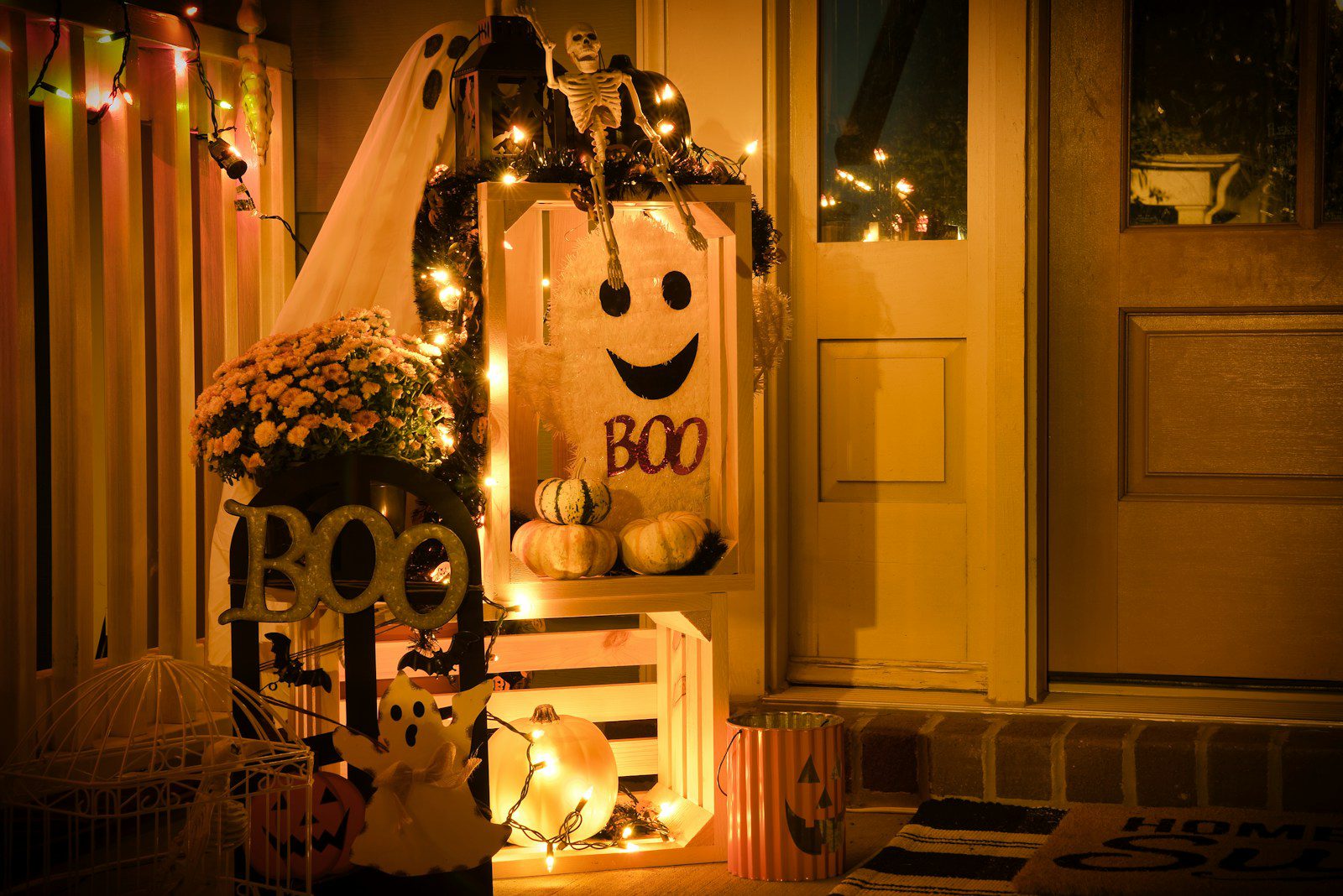
Halloween spending is tracking toward another record this year, with decorations pulling ahead as the category driving the growth, according to the National Retail Federation’s own Halloween data. About a quarter of consumers had already bought at least one Halloween item by early August, and 42% pointed to fall weather itself as the reason they started shopping early.
Key Points
- Total Halloween spending hit a record $13.1 billion in 2025, up from $11.6 billion in 2024, according to NRF’s 2025 survey results.
- Average per-person spending reached $114.45 in 2025, the highest on record for the holiday.
- Decoration spending hit $4.2 billion in 2025, up $1.6 billion from 2019, per NRF’s own analysis of the shift.
- 78% of Halloween shoppers planned to buy décor in 2025, up from 75% the year before, while 71% planned to buy costumes.
- In 2024, decorations and total costume spending were essentially tied at $3.8 billion each; by 2025, décor had grown enough to edge past costumes on participation, even as costume dollars ($4.3 billion) stayed slightly higher.
What’s driving the shift toward décor
More shoppers are buying decorations than are buying costumes, and NRF’s own research notes that shoppers now spend more on décor than they do on candy. Roughly 45% of shoppers say the first half of October is when they do the bulk of their decorating, and nearly half of the earliest shoppers, meaning those who start more than a month out, are already decorating in September. Lights, cobwebs, and hanging decorations remain the most popular category, followed by pumpkins and gourds.
Why 2026 is on pace to extend the streak
NRF’s full 2026 consumer survey, conducted with Prosper Insights & Analytics, isn’t due out until late September, but the early-shopping data already points in the same direction as the last several years: participation and spending have climbed every year since 2019, and this year’s early-bird numbers, a quarter of shoppers already checked out before August ended, are consistent with that trajectory rather than a break from it.
What it means for shoppers
Retailers have leaned hard into extending the Halloween shopping season earlier into the fall specifically because of data like this, which means décor is now competing directly with back-to-school and early holiday displays for shelf space. Shoppers hoping to avoid picked-over inventory increasingly have to start in September rather than waiting for the last week of October, a pattern the spending data has been reinforcing year over year.